Home » products » Color-Coded HDPE Nonwoven Fruit Covers
Color-Coded HDPE Nonwoven Fruit Covers
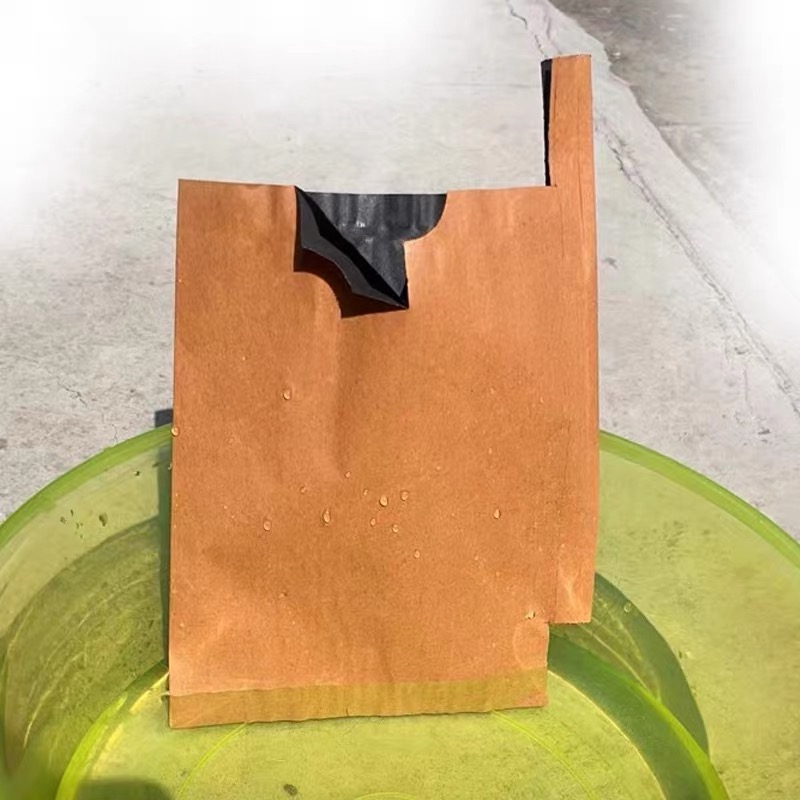
Weston’s Color-Coded HDPE Nonwoven Fruit Covers feature seamless design and eco-friendly materials. Their strong fabric withstands heavy wind and rain while allowing airflow, ensuring healthy fruit development and simplified farm management via color coding.
Color-Coded HDPE Nonwoven Fruit Covers | Agricultural Protection Sleeves | Supplier Direct
Weston Manufacturing’s orchard-grade fruit sleeves deliver disciplined protection and clear, color-coded management for premium harvests. Built supplier-direct with tight QC and batch traceability. OEM/ODM welcome.
Why Orchard Leaders Choose Weston Manufacturing
Supplier-direct control: predictable lead times, rigorous QC, rapid OEM/ODM iteration.
Documented traceability: 100% high-density polyethylene (HDPE) nonwoven with lot-level records.
Industrial-grade bonding: reinforced adhesion at all seams for long field cycles and repeated handling.
Core Product: Color-Coded HDPE Nonwoven Fruit Covers
Application: Pre-maturity protection for grapes, bananas, and other cluster fruits.
Material: 100% HDPE nonwoven.
Finish: Flat, smooth, clean surface; all adhesive/bonded sections are secure and stable.
Standard sizes: 5 × 18 cm; 18 × 21 cm; 20 × 23 cm. Custom sizes available.
Standard colors: brown, tan, yellow, white, black. Custom palettes on request.
Single-layer: lighter climates, early-season deployment, maximum breathability.
Double-layer: enhanced UV screening, stronger pest interference, improved abrasion resistance, longer field life, and better thermal buffering for more uniform color near harvest.
What It Solves in the Field
Light and heat control: calibrated opacity reduces sunburn and evens color; thermal buffering dampens day–night swings.
Pest and pathogen interference: physical barrier against oviposition and larvae ingress; lattice reduces spore splashback; darker tints can disrupt pest host-finding cues.
Cleaner fruit, fewer residues: shields from dust, bird pecks, and superficial scuffs; supports residue-conscious markets.
Breathability and moisture governance: engineered air exchange mitigates condensation; rapid drying after rain maintains skin integrity and bloom.
Ruggedization: high tear resistance at openings; UV-stable polymer resists brittleness across long crop windows; stitch-free edges minimize snagging.
Precision Fit and Field Ergonomics
Pocket geometry reduces abrasion and avoids pedicel constriction.
Edge stability keeps apertures open in wind; placements stay uniform.
Easy-on/off design supports high labor throughput and consistent alignment.
Data-Driven Color Coding
Visual systems that scale: assign colors to harvest windows, blocks, or pest tiers for instant crew cues and faster scouting.
Traceability: optional inline printing for block IDs, dates, and agronomic notes.
Customization and OEM/ODM
Dimensions and geometry: tailor length/width to bunch density and cultivar morphology; optional microperforation patterns by climate.
Color and printing: custom color maps; print logos, block codes, and harvest instructions.
Structure and weight: choose single or double layer; custom grammage to balance opacity, durability, and airflow.
Packaging and logistics: worker-centric bundle counts, moisture-protected cartons, pallet plans for container efficiency.
Practical Use Cases
Grapes: pre-veraison shielding for uniform color and reduced sunburn; cleaner clusters, faster sorting.
Bananas: early set protection against insect probing and scuffing; double-layer recommended for tropical UV and transport robustness.
Other cluster fruits: adaptable to long peduncles; V-slit speeds attachment.
Quality Control and Traceability
Batch-level IDs and timestamps linked to field feedback.
Shipment checks: grammage, thickness, seam strength, and color fastness; UV/heat drift monitoring to keep color codes consistent.
Packaging Built for the Field
Worker-ready packs: pre-counted sleeves in weather-resistant inner bags.
Storage and transport: cartons sized for shed access; moisture barriers and desiccants for humid routes; QR labels for quick placement guides.
Sustainability in Practice
Input reduction: physical barrier can reduce frequency of topical interventions.
Yield preservation: cleaner, more uniform fruit elevates pack-out and reduces waste.
Circularity pathways: material identification supports downstream handling programs where available.
Recommended Companion Lines from Weston
Extend your visual and brand system with spunlace-based solutions: