- Email: [email protected]


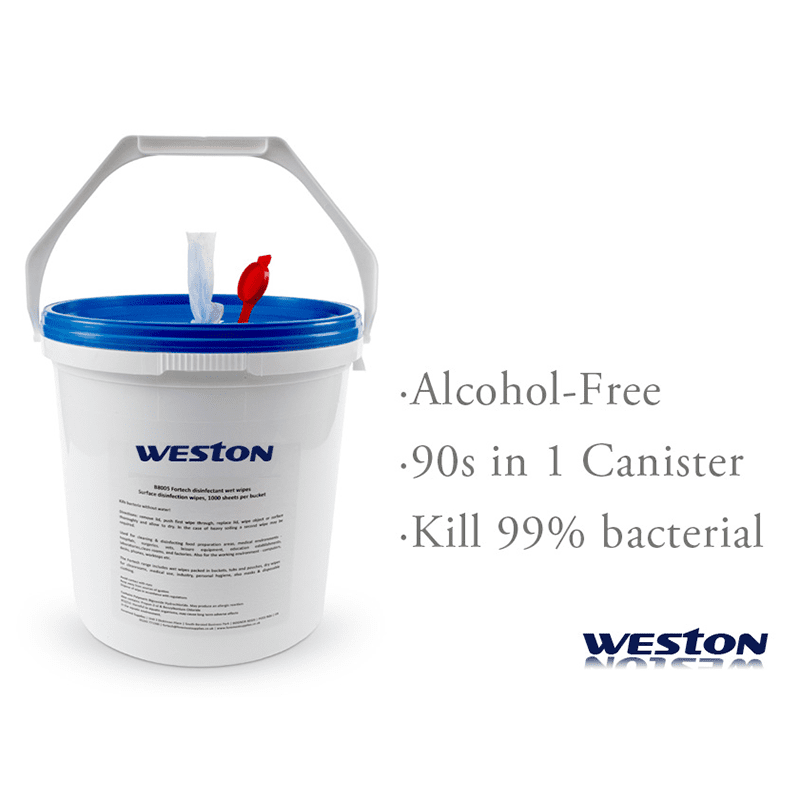
Antimicrobial spunlace wipes engineered to eliminate germs and bacteria effectively. Compliant with safety standards, suitable for healthcare, public spaces, and daily sanitization needs.
| Item | Our Offer |
| MOQ | With most products requiring 1 tons. |
| Sample | Free sample available for bulk orders. |
| Leading Times | 10–45 working days (varies by quantity and product types). |
| Main Product | Woodpulp Spunlace,Cotton/Bamboo Spunlace,PLA/Meltblown Nonwovens,Viscose/Polyester Spunlace,Oil Pads,Cleanroom Wipes |
| Customize Logo | Accepted |

Geneva,Switzerland,INDEX 2026
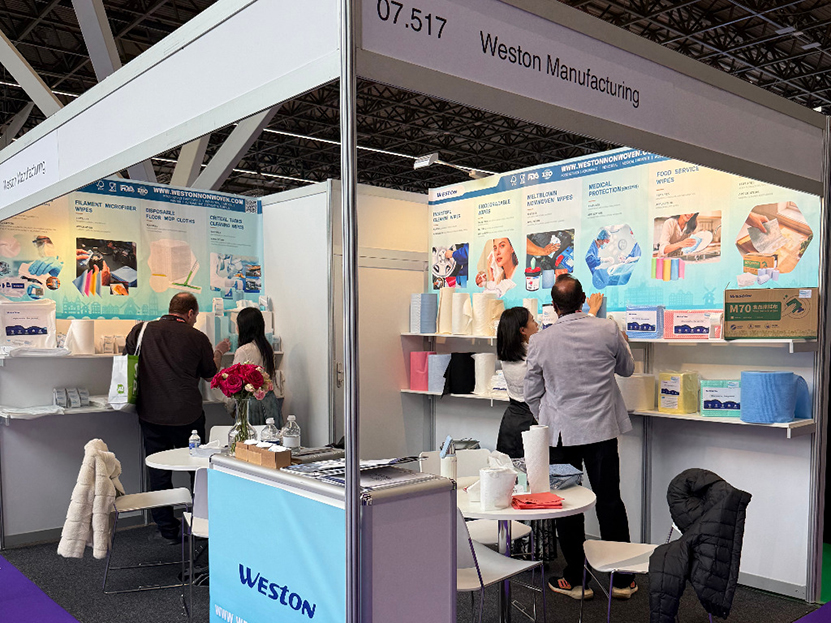
Amsterdam,Interclean Amsterdam,2026
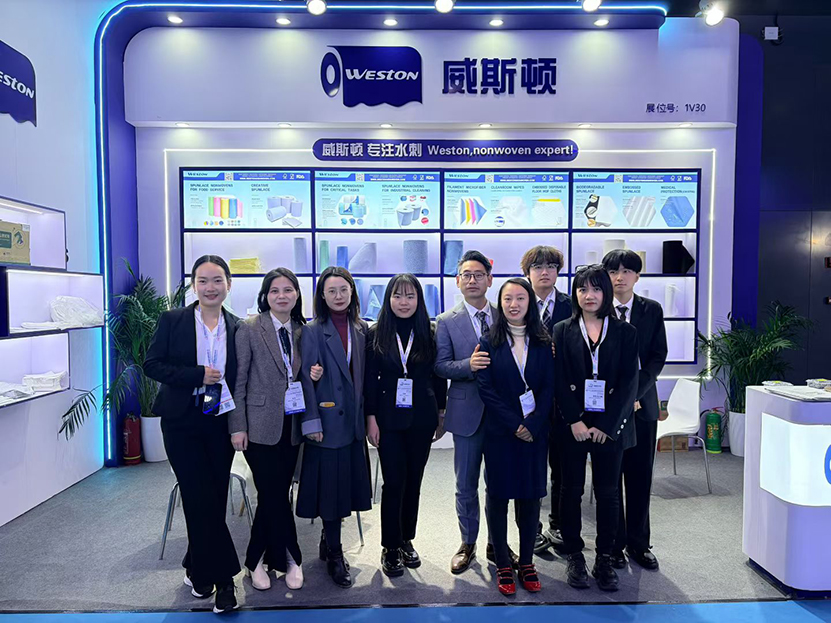
Shanghai,SINCE,2025
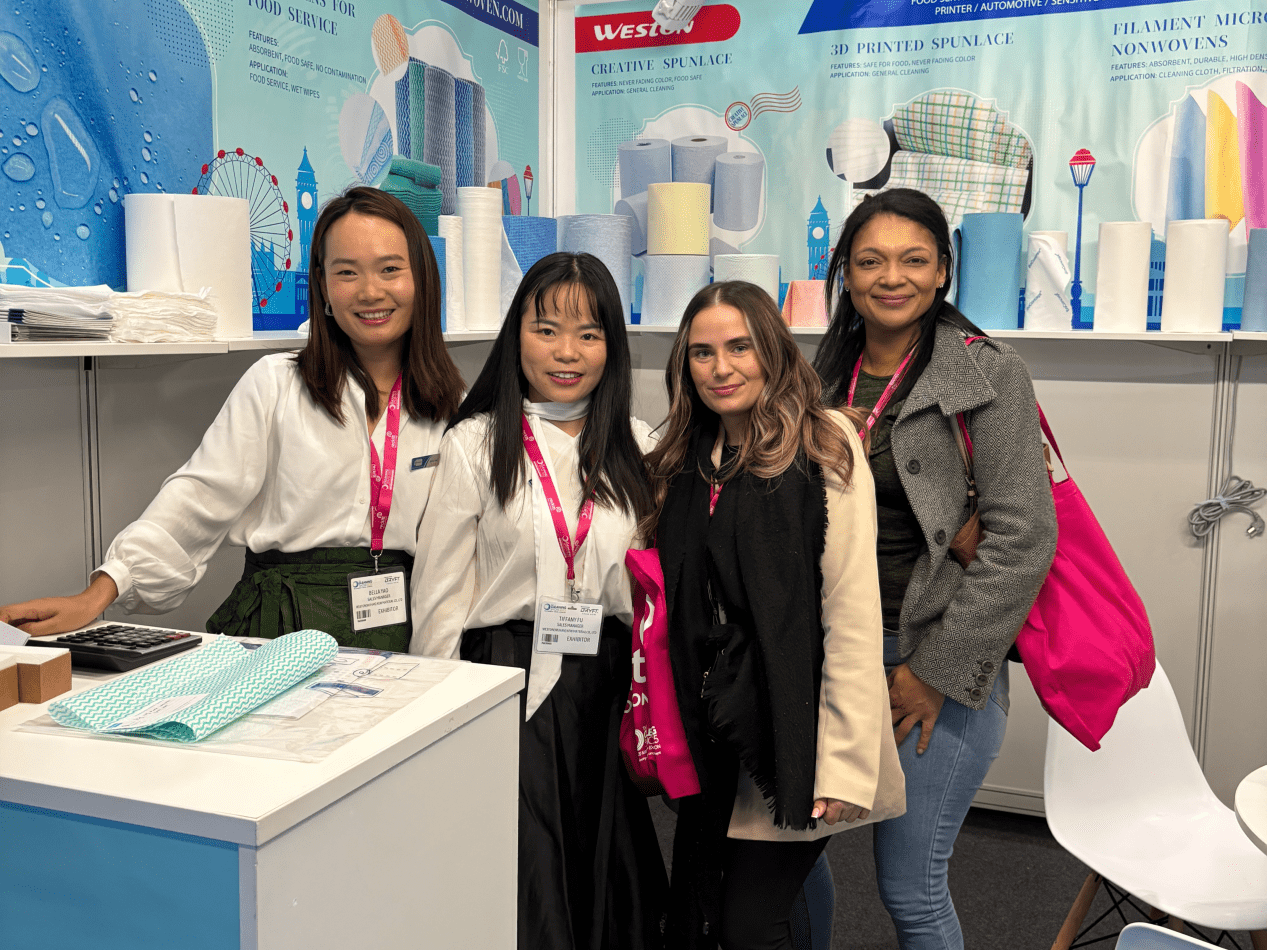
London,UK The Cleaning Show,2025
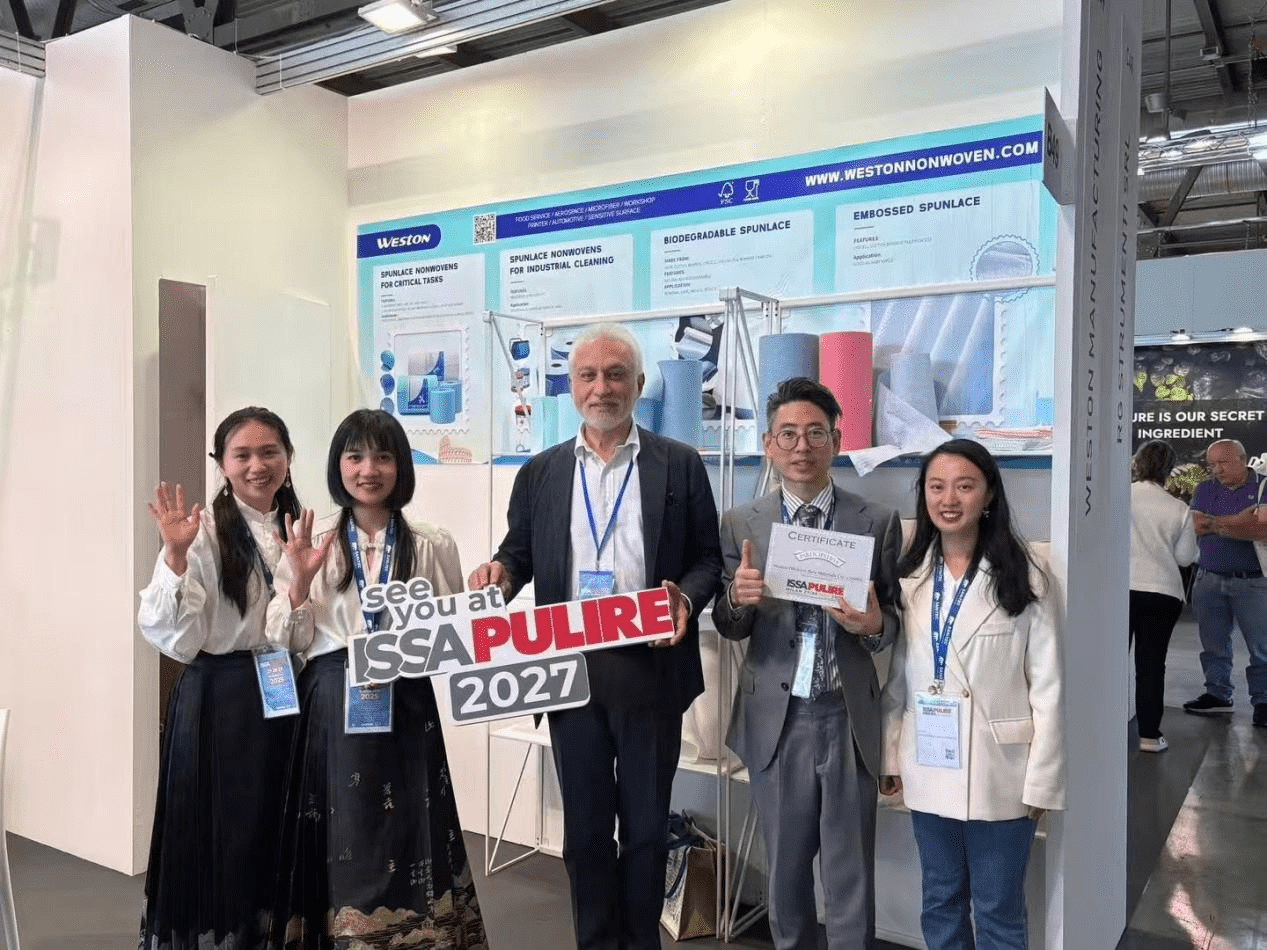
ISSA,PULIRE Milan Italy,2025
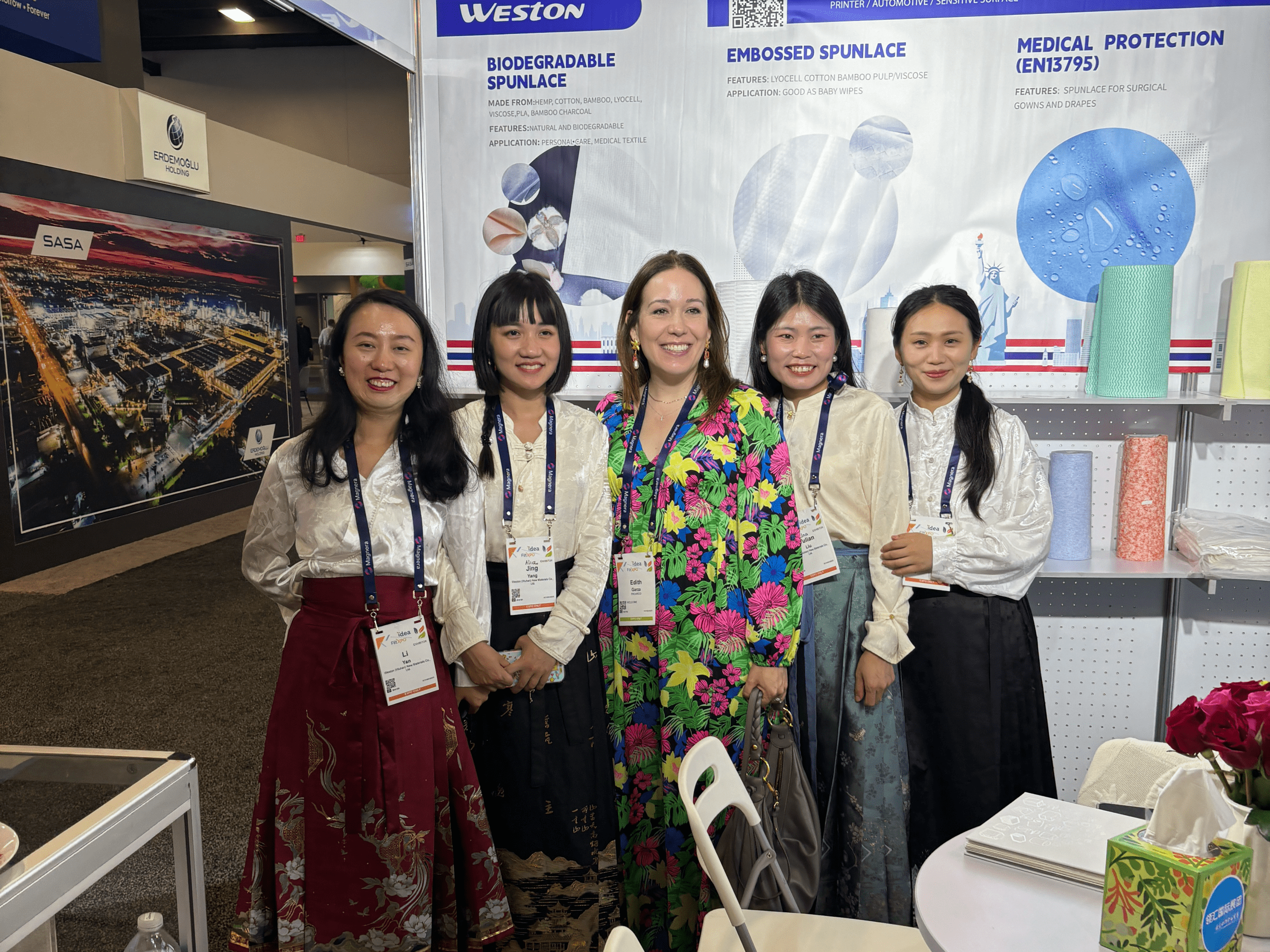
ISSA,PULIRE Milan Italy,2025
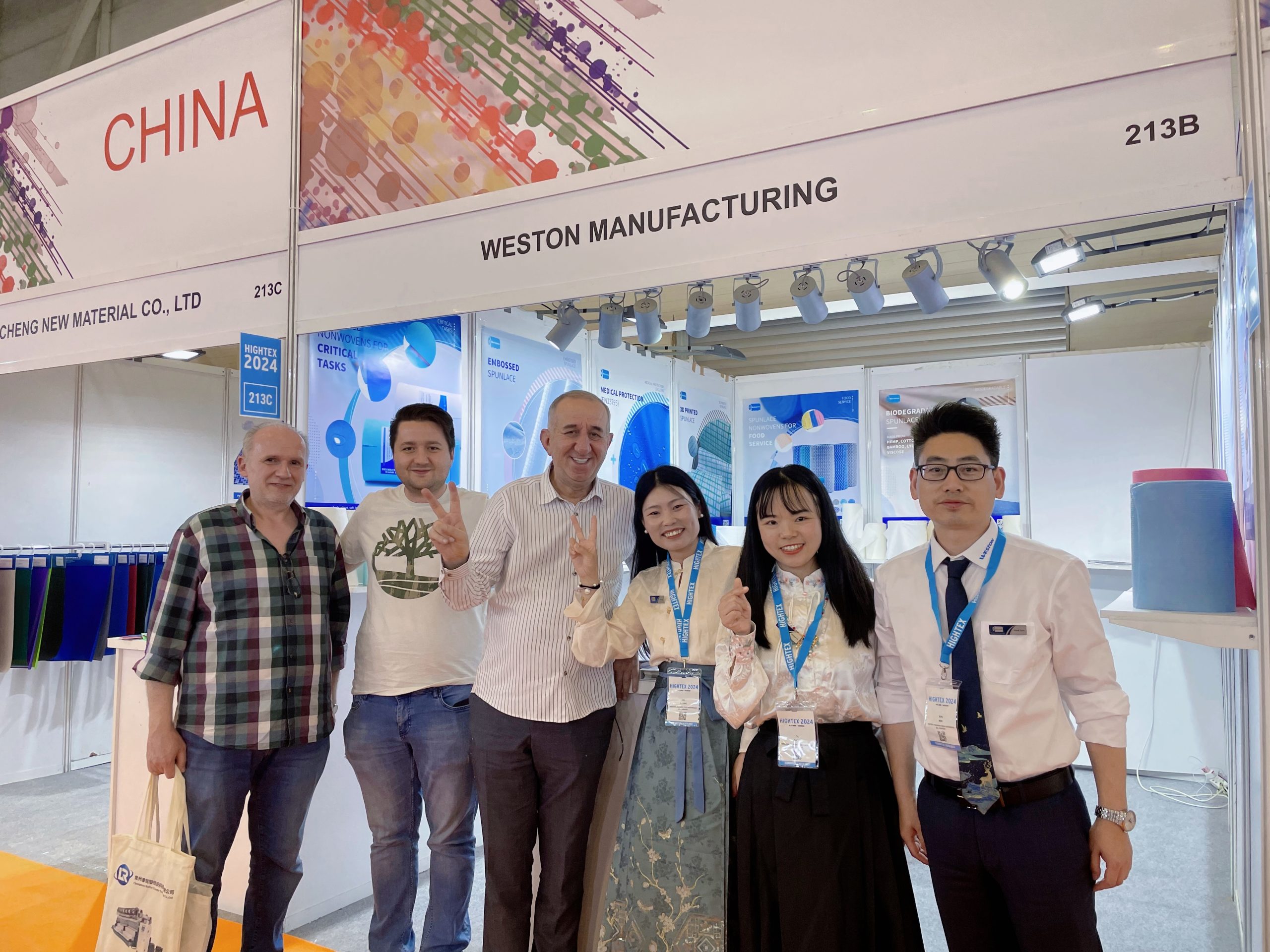
Istanbul, Hightex Show In Turkey,2024

Techtextil,Frankfurt,April 2024
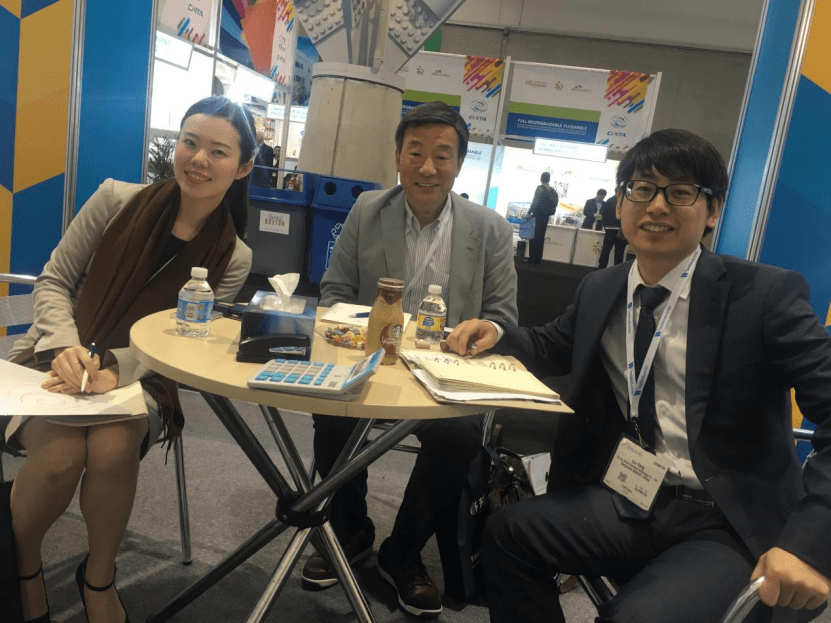
AMSTERDAM,INTERCLEAN,2016
Disinfecting Wipes: Science, Applications, and Limitations
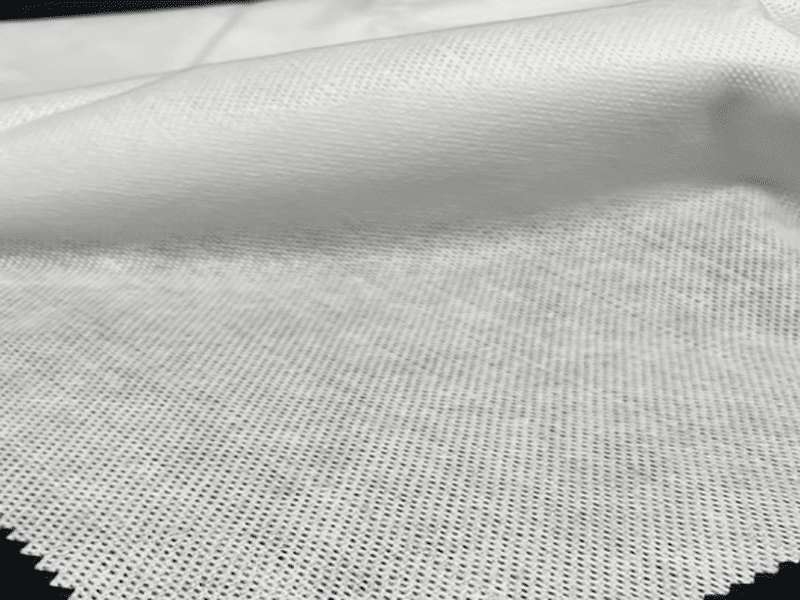
Disinfectant wipes are pre-moistened nonwoven fabrics impregnated with antimicrobial agents designed to destroy pathogens on hard, nonporous surfaces. Their primary function is to interrupt disease transmission chains by killing viruses (including SARS-CoV-2), bacteria (e.g., MRSA, E. coli), and fungi. Key applications include:
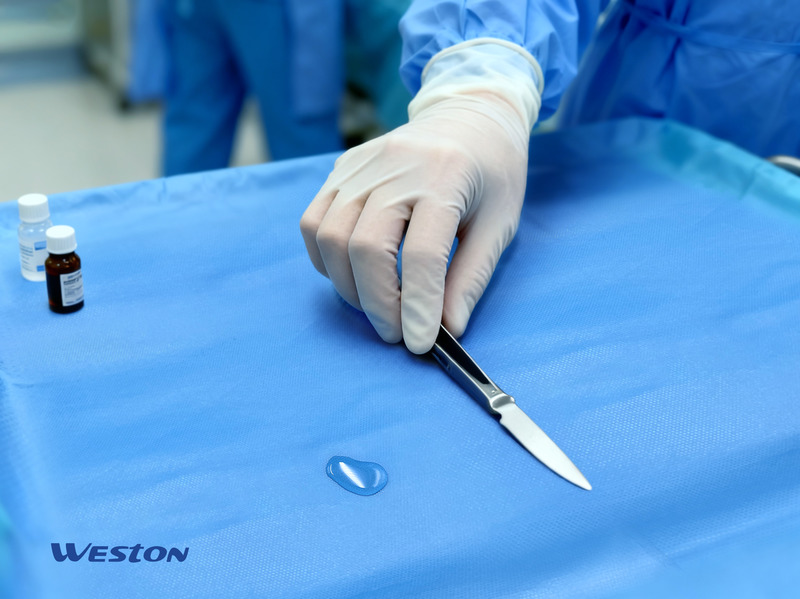
• Healthcare Settings: Decontaminating surgical tools, bed rails, and high-touch surfaces in hospitals, with some formulations achieving >99.9% pathogen reduction in 1–5 minutes.
• Critical Environments: Controlling microbial loads in cleanrooms, labs, and food preparation areas, where low residue and material compatibility are essential.
• Household Use: Disinfecting high-contact surfaces like doorknobs, countertops, and electronics during disease outbreaks.
• Industrial Maintenance: Degreasing machinery while simultaneously eliminating biofilm-forming bacteria.
Unlike general-purpose cleaners, disinfectant wipes require strict adherence to contact time (typically 1–10 minutes) to achieve efficacy, as their chemical agents need prolonged surface wetness to penetrate microbial cell walls.
| Parameter | Disinfecting Wipes | Sanitizing Wipes |
| Regulatory Standard | EPA-regulated; must destroy 99.9% of specified pathogens | FDA-regulated; reduce bacteria by 99.9% on food-contact surfaces |
| Pathogen Spectrum | Kill viruses, fungi, and tuberculosis-causing mycobacteria | Primarily target bacteria; limited/no virucidal claims |
| Contact Time | 1–10 minutes (e.g., 5 min for SARS-CoV-2) | ≤30 seconds |
| Chemical Strength | Higher active ingredient concentrations (e.g., 0.4% quaternary ammonium) | Milder formulations (e.g., citric acid, low-dose alcohol) |
| Use Cases | Critical environments: hospitals, labs | Lower-risk areas: toys, kitchen counters |
Sanitizing reduces microbes to “safe levels”; disinfecting destroys nearly all pathogens.
• Contain corrosive agents (e.g., hydrogen peroxide, quaternary ammonium) that disrupt skin barriers, causing irritation, contact dermatitis, or chemical burns.
• Never use on faces: Fragrances and preservatives (e.g., methylisothiazolinone) may trigger ocular damage or respiratory issues.
• Wood, leather, or fabrics: Liquids penetrate fibers, causing warping/discoloration.
• Electronics: Residual moisture may damage circuits unless labeled “ESD-safe.”
• Disinfectants (e.g., iodine, bleach) destroy healthy cells and delay healing; saline wipes are preferred for wound cleaning.
• Mixing chemicals (e.g., bleach + ammonia) generates toxic gases like chloramine.
• Wipes become contaminated after single-use; reusing spreads pathogens across surfaces.
• Non-biodegradable materials (polyester/polypropylene) persist in ecosystems for 100+ years.
• Account for 93% of sewer blockages when flushed, creating “fatbergs.”
• Skin Toxicity: Chronic exposure linked to eczema and allergic sensitization.
• Antimicrobial Resistance: Quaternary ammonium compounds (e.g., benzalkonium chloride) may select for resistant superbugs.
• Air Exposure Degradation: Most lose >90% antimicrobial activity within 5 minutes of opening the package.
• Soil-Dependent Inactivation: Organic debris (e.g., blood, grease) neutralizes active ingredients; pre-cleaning is essential.
• Surfaces may retain irritants (e.g., didecyldimethylammonium chloride), requiring post-use rinsing for food-contact areas.
Disinfectant wipes serve as vital tools for infection control but demand disciplined usage. Their high-potency chemistry requires strict adherence to contact times and surface compatibility to balance efficacy with safety. Emerging alternatives include:
• Biodegradable substrates(e.g., plant-based nonwovens) to reduce plastic waste.
• Electrostatic sprays for uniform coverage without wipe cross-contamination.
• Enzyme-based formulations that decompose biofilms without corrosive chemicals.
Ultimately, their role should be targeted—reserved for high-risk scenarios rather than routine cleaning, where sanitizers or microfiber cloths offer safer, eco-friendlier solutions.
WESTON
Privacy Policy | SiteMap
Copyright WESTON