- Email: [email protected]




In the $1.5 trillion global beverage industry, filtration is the unsung hero that ensures safety, quality, and profitability. From craft beer to bottled water, contaminants like bacteria, yeast, and sediment can ruin a product’s taste, texture, and reputation. Traditional methods—such as membrane filters and paper cartridges—often fail to strike a balance between efficiency and cost. Enter Weston Manufacturing’s Food and Beverage Filtration Spunlace, a game-changing technology that combines precision engineering with sustainability.
2.1 The Mechanics of High-Pressure Water Jets
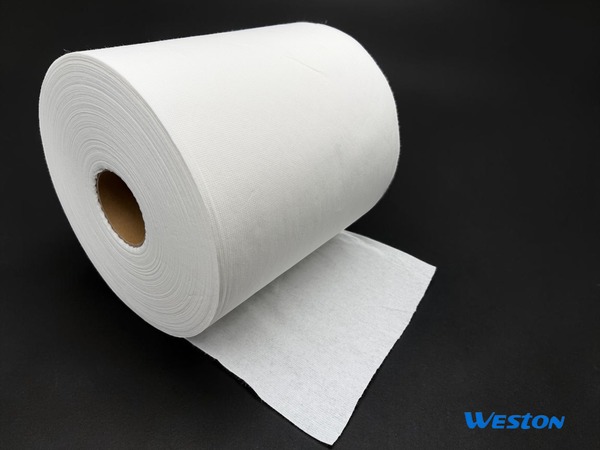
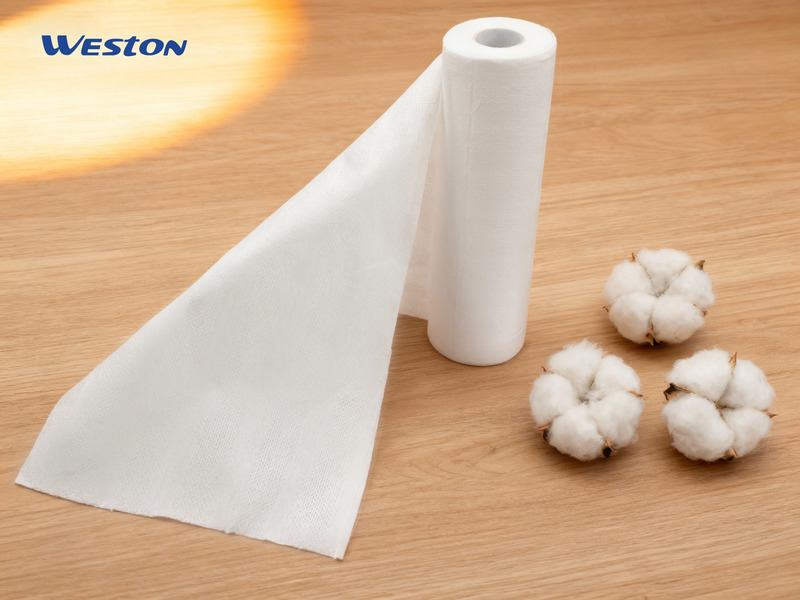
Weston’s Spunlace technology uses high-pressure water jets to interlock wood pulp and synthetic fibers, creating a dense, three-dimensional matrix. This process, known as hydroentanglement, produces filters with:
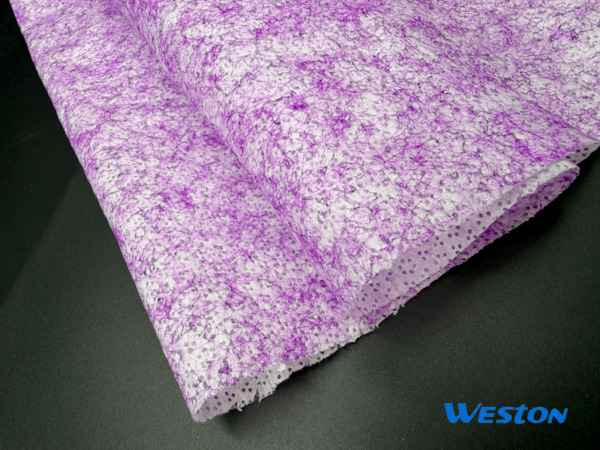
2.2 Material Innovation: Plaid Printed Viscose Polyester
The secret to Weston’s success lies in its Plaid Printed Viscose Polyester design. This dual-layer material:
Testing at Weston’s labs reveals that these filters remove 99.99% of Escherichia coli from water, surpassing FDA standards for food safety.
3.1 Craft Beer: Balancing Clarity and Flavor
Craft breweries face a dilemma: filter out haze-causing particles without stripping away hops’ aromatic compounds. Weston’s solution? A two-stage Spunlace system:
A Colorado-based brewery reported a 40% reduction in filtration time and a 95% improvement in beer clarity after switching to Weston’s system.
3.2 Dairy Processing: Efficiency at Scale
Dairy plants process millions of liters daily, requiring filters that handle high volumes without sacrificing quality. Weston’s Spunlace filters:
A major yogurt producer in Europe cut annual filtration costs by €200,000 by adopting Weston’s technology.
4.1Spunlace vs. Industrial Oil Filtration: A Tale of Two Applications
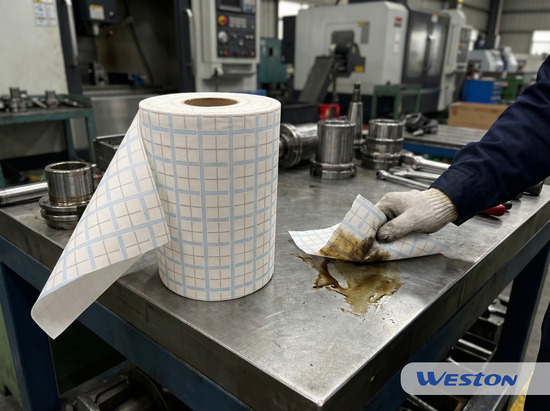
While Industrial Oil Filtration Spunlace shares core technology with beverage systems, its design reflects distinct industry needs:
| Feature | Beverage Filtration | Industrial Oil Filtration |
| Material | FDA-compliant polyester-wood pulp blend | Heavy-duty synthetic fibers |
| Particle Removal | Microbes and organic matter | Sludge, metal shavings, and hydrocarbons |
| Flow Rate | High-speed for perishable liquids | Slower for viscous oils |
This versatility benefits suppliers: a single machine can be retrofitted for both industries, maximizing ROI.
5.1 Total Cost of Ownership
Weston’s filters save money in three ways:
A lifecycle analysis by McKinsey found that Spunlace systems reduce annual costs by 35% over five years.
For brands under pressure to reduce carbon footprints, Weston’s technology offers a tangible sustainability solution.
6.1 Pre-Filter Cleaning with Efficient Cloths
To prevent clogs, Weston recommends using Efficient Cleaning Cloths:

7.1 Smart Filtration with IoT
Weston’s R&D team is developing filters embedded with sensors to:
7.2 Bio-Based Materials
By 2028, Weston aims to launch fully biodegradable Spunlace filters using cellulose nanofibers. These prototypes dissolve in 30 days in compost, aligning with circular economy goals.
Spunlace as the Cornerstone of Beverage Quality
Weston Manufacturing’s Food and Beverage Filtration Spunlace isn’t just a filter—it’s a catalyst for industry transformation. By combining cutting-edge science, durability, and sustainability, it solves the age-old trade-off between safety and efficiency. For suppliers, it’s a ticket to reduced costs and regulatory compliance. For consumers, it’s the assurance of a clean, consistent product every time.
The future of beverage filtration is here—and it’s spinning with innovation.
For inquiries, contact us at:[email protected] or call 86 27 62439296
WESTON
Privacy Policy | SiteMap
Copyright WESTON