- Email: [email protected]


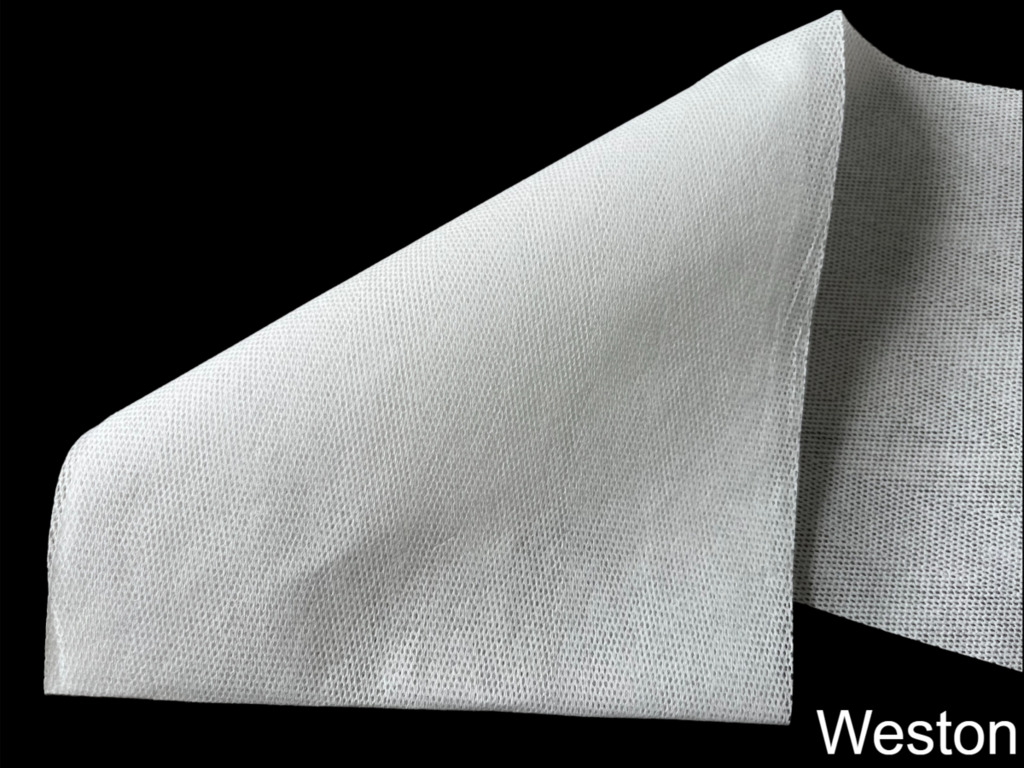
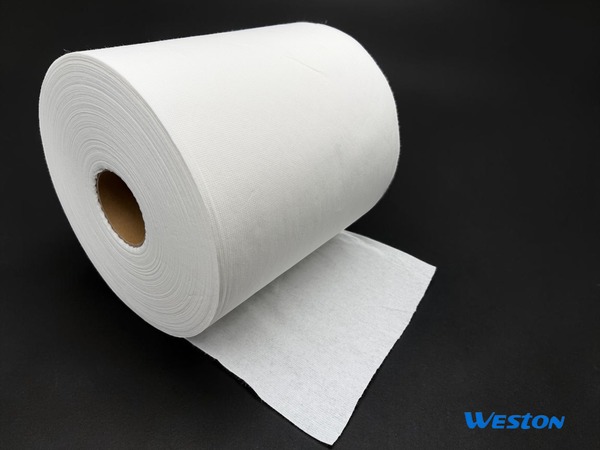
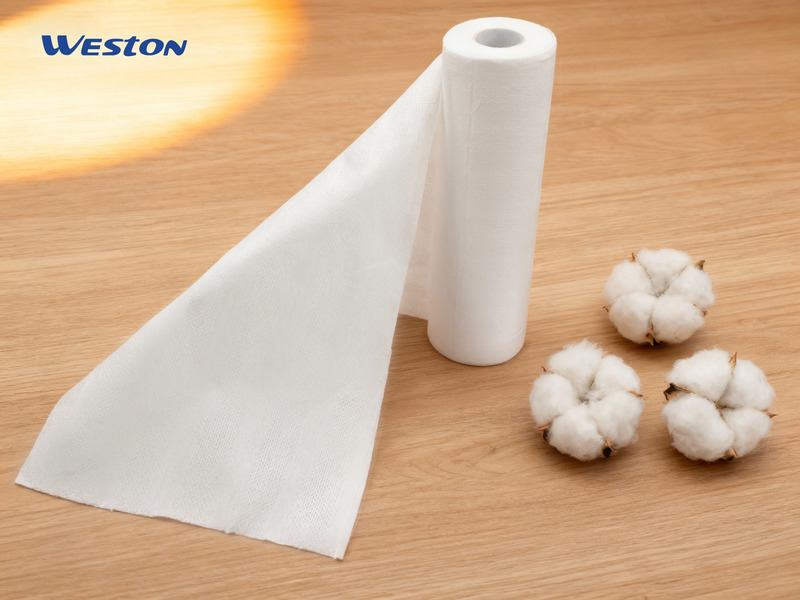
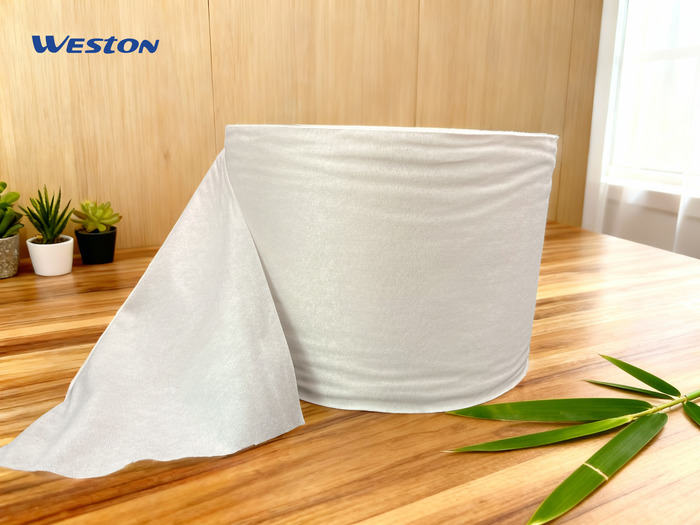
| Material Composition | 70% high-purity wood pulp + 30% industrial-grade polypropylene (PP) |
| Weight Specification | Standard: 50g (ideal for precision tasks) |
| Weight Range | Customizable range: 40–150g |
| Texture & Design | Herringbone pattern (crisscross ridges) |
| Color | Standard: White (visible dirt buildup for thorough cleaning) |
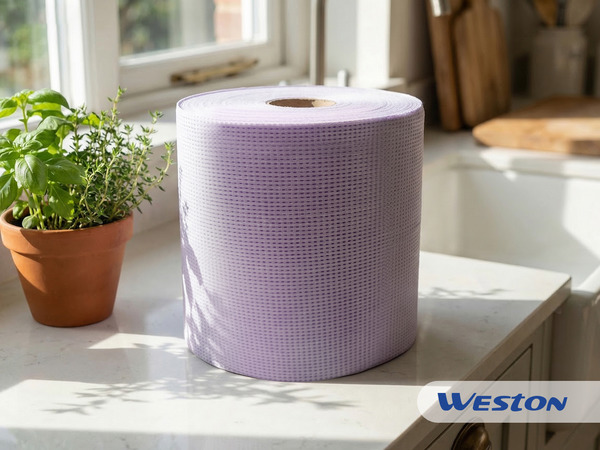
| Color Options | Red/blue/yellow/custom |
| Absorption Performance | Water absorption: 8x its weight (outperforms standard industrial wipes by 60%); Oil absorption: 6x its weight – fast-acting (absorbs spills in <2 seconds) |
| Durability | Tear-resistant (withstands 15+ scrub cycles, dry or wet); Washable (maintains absorbency after 5+ washes for reusable needs); single-use variant available for hygiene-critical sectors |
| Compliance & Safety | Meets FDA (food contact safe), ISO (cleanroom-compatible) standards; Low-lint design (prevents fiber shedding in electronics/manufacturing) |
| Complementary Spunlace Range | Also explore Weston’s Pearl Embossing Spunlace Nonwoven Rolls (delicate cleaning), Meltblown Nonwoven for Disposable Wet Wipes (hygiene use), High Tensile Wood Pulp Fabric (extra strength), and Woodpulp Polypropylene Blend Nonwoven Rolls (general cleaning) |
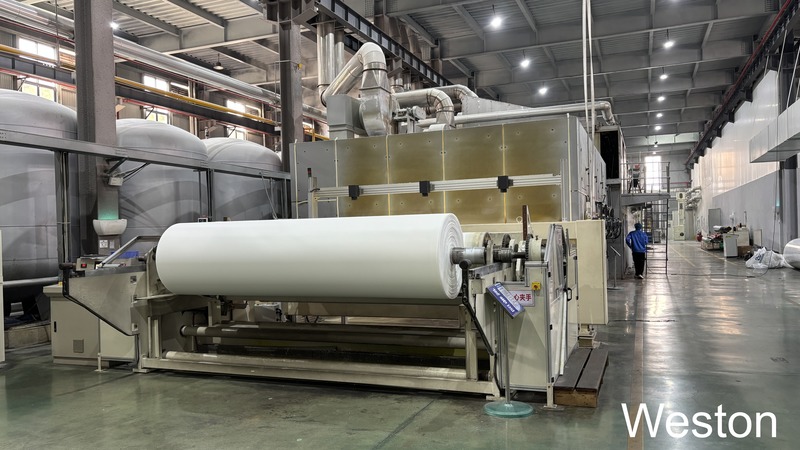
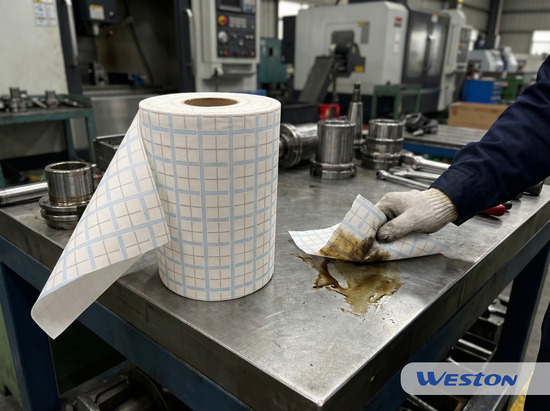
Weston’s Herringbone Nonwoven Fabric for Industrial Cleaning isn’t just a “one-size-fits-all” solution—it’s engineered to solve unique pain points across key industrial sectors. Here’s how it delivers value in real-world use:
Weston’s strength lies in turning your unique needs into tailored solutions—whether you need adjusted performance, packaging, or branding. Our customization process prioritizes your workflow, ensuring the fabric fits how you work, not the other way around.
| Customization Type | Options |
| Material Option | Woodpulp/Polyester/Viscose/PLA/BAmboo Fiber |
| Packaging | Bulk rolls (for large facilities), pre-cut pouches (for on-site technicians), or branded packaging (for OEM clients reselling under their name) |
| OEM/ODM Services | Co-design blends (e.g., adjust wood pulp/PP ratio for enhanced solvent resistance), texture modifications, or performance tweaks (e.g., anti-static variants for electronics). Full confidentiality guaranteed. |
| Logo & Branding | Custom logo printing (water-based, solvent-resistant inks) on fabric or packaging—positions your brand while delivering Weston’s quality. |
A leading Swedish precision machinery manufacturer faced a critical challenge: their existing cleaning fabric was either too soft (failed to remove stubborn machine grease) or too heavy (cumbersome to use on small, intricate parts like gear mechanisms).
Weston’s Solution:
Result:
The client reported a 30% reduction in cleaning time (thanks to improved friction) and eliminated hand fatigue (lightweight design). The fabric also proved compatible with their food-grade lubricants—no discoloration or breakdown. This customization now serves as a benchmark for Weston’s precision-focused clients in Europe.
Note: Flexible MOQs for custom orders—contact our team for tailored quotes based on your volume and requirements.
A1: Cotton rags absorb only 3x their weight (vs. 8x for our fabric) and break down quickly in oils/solvents—requiring frequent replacements. Our 70% wood pulp + 30% PP blend resists shrinking, linting, and chemical damage, making it more cost-effective for high-volume industrial use. It also offers controlled friction (cotton lacks this), so it cleans better without scratching.
A2: Yes. The 30% PP component provides strong resistance to most industrial solvents (acetone, mineral spirits, diesel, and mild acids). For specialized solvents, we can adjust the PP ratio (up to 40%) to enhance compatibility—just share your solvent type with our technical team for a tailored solution.
A3: MOQs are flexible and depend on the type of customization (e.g., weight adjustments vs. full OEM design). We prioritize both small-batch trials and large-volume production—contact our sales team to discuss your needs, and we’ll provide a tailored quote.
A4: No. We use industrial-grade, solvent-resistant dyes for all colors—including white. The fabric retains its color even after prolonged exposure to oil, grease, or cleaning agents, and any oil residues are easily visible (a benefit for thorough cleaning) without permanent staining.
A5: It depends on your specific order. Expedited shipping options are available for urgent needs—just let us know your timeline.
WESTON
Privacy Policy | SiteMap
Copyright WESTON