- Email: [email protected]


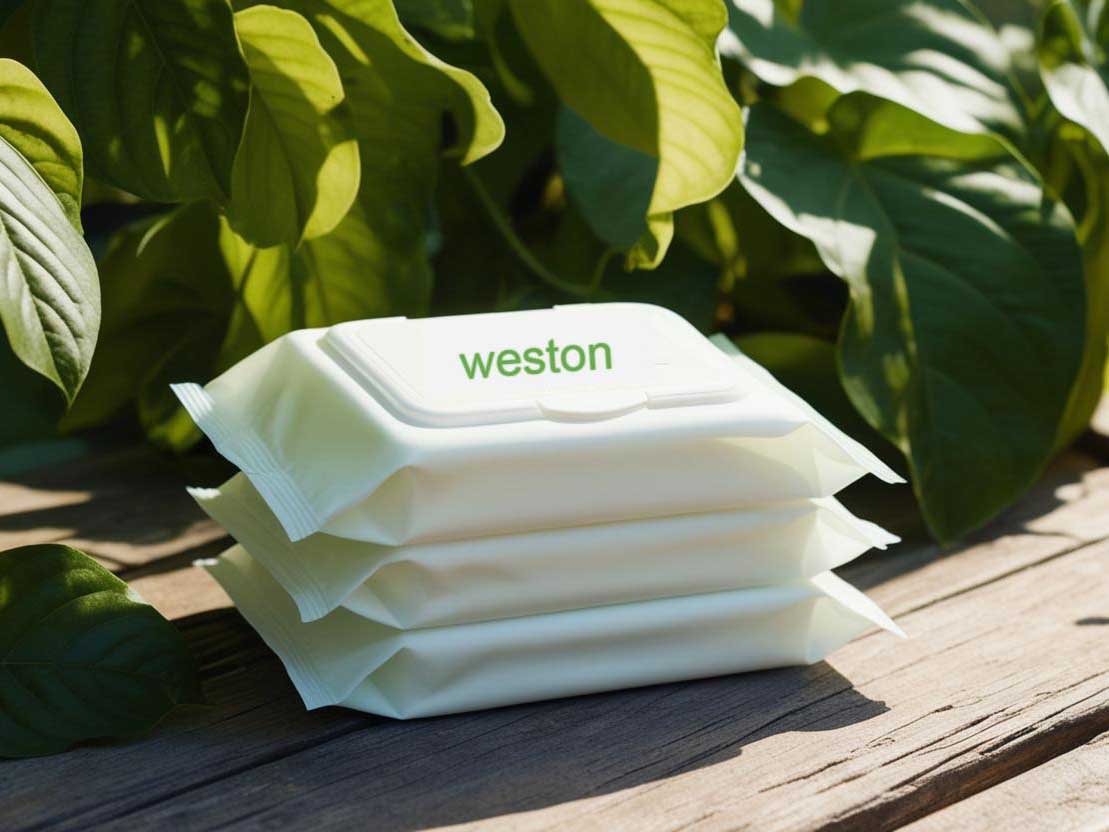
Sustainable living begins with the choices you make every day. Small changes, like switching to biodegradable plant-based wipes, can create a big impact. These wipes, crafted from renewable materials like bamboo or wood pulp, decompose naturally, reducing landfill waste and pollution. Unlike conventional wipes, which release microplastics and chemicals into ecosystems, plant-based alternatives are eco-friendly and safe. They also protect your skin by avoiding harsh chemicals. By choosing these wipes, you contribute to a cleaner planet and a healthier lifestyle. Every step toward sustainability matters, and this is one you can take today.
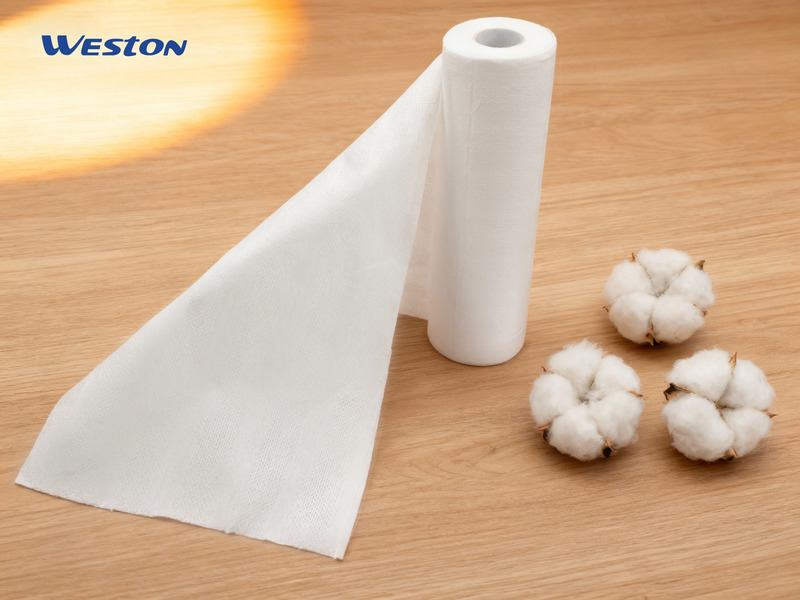
Biodegradable plant-based wipes are an eco-friendly alternative to conventional cleaning wipes. They are crafted from renewable materials that break down naturally, leaving no harmful residue behind. These wipes are designed to meet your cleaning needs while protecting the environment.
The materials used in plant-based wipes come from nature’s most sustainable resources. Common options include:
These materials ensure that the wipes are not only effective but also safe for you and the planet.

Unlike conventional wipes, which can linger in landfills for decades, plant-based wipes decompose quickly. They enrich the soil as they break down, contributing to a healthier ecosystem. This makes them a perfect choice for anyone looking to reduce their environmental footprint.
Plant-based wipes offer unique advantages that set them apart from traditional options.
Many conventional wipes contain synthetic fibers and microplastics that harm ecosystems. In contrast, plant-based wipes are free from these pollutants. They also avoid harsh chemicals, making them safe for sensitive skin and everyday use.
These wipes are designed with compostability in mind. They break down into natural components, leaving no trace of pollution. However, it’s important to choose wipes that are truly biodegradable and free from hidden microplastics. Misleading claims can sometimes confuse consumers, so always verify the product’s compostability.
By choosing biodegradable plant-based wipes, you take a step toward a cleaner, greener future. They combine functionality with sustainability, proving that small changes can make a big difference.
Conventional wipes may seem convenient, but their environmental impact is staggering. These wipes are often made from synthetic fibers that do not break down easily. Instead, they linger in landfills and ecosystems for decades, causing long-term harm.
When you throw away conventional wipes, they don’t just disappear. They pile up in landfills, taking years to decompose. This slow breakdown process disrupts ecosystems and contributes to pollution. Improper disposal can also release harmful chemicals into the soil and water, threatening both wildlife and human health.
Many conventional wipes contain microplastics, which persist in ecosystems for years. When flushed or improperly discarded, these wipes often end up in waterways. This poses a serious risk to marine life. Fish, turtles, and other sea creatures mistake microplastics for food, leading to ingestion and poisoning. Over time, these pollutants disrupt entire marine ecosystems.
Did you know? Flushed wipes can also block sewage systems, causing environmental damage and costly repairs.
Conventional wipes don’t just harm the planet—they can also affect your health. Many of these products contain harsh chemicals that irritate the skin and pose long-term risks.
If you’ve ever experienced redness or itching after using a wipe, you’re not alone. Conventional wipes often include synthetic fragrances, alcohol, and preservatives. These ingredients strip your skin of its natural oils, leaving it dry and irritated. For those with sensitive skin, the effects can be even worse.
Using conventional wipes regularly exposes you to allergens and toxins. Over time, this can lead to chronic skin conditions or allergic reactions. Babies and individuals with compromised immune systems are especially vulnerable. Switching to safer alternatives, like plant-based wipes, can protect your skin and overall health.
By understanding the problems with conventional wipes, you can make informed choices that benefit both you and the environment.
Switching to biodegradable plant-based wipes significantly reduces the waste that ends up in landfills. Unlike conventional wipes, which can take decades or even centuries to decompose, plant-based alternatives break down in just a few months.
By choosing these wipes, you help minimize landfill overflow and prevent harmful pollutants from entering water bodies.
Biodegradable wipes don’t just disappear—they give back to the earth. Many of these wipes are compostable, meaning they can be added to your compost bin to enrich the soil.
This simple act of composting transforms waste into a valuable resource for the planet.
Plant-based wipes are designed with your skin’s health in mind. They avoid harsh chemicals, synthetic fragrances, and preservatives that can irritate sensitive skin.
| Feature | Biodegradable Wipes | Conventional Wipes |
| Material Composition | Natural and renewable (bamboo, wood pulp) | Synthetic (polyester, polypropylene) |
| Chemical Content | Free from harmful chemicals | Contains various chemicals and preservatives |
| Skin Sensitivity | Gentle on skin, reduces irritation | May cause irritation due to harsh chemicals |
These wipes are ideal for babies, individuals with allergies, and anyone seeking a safer, more natural option.
Biodegradable wipes are crafted from eco-friendly materials that cleanse effectively without compromising comfort or safety. Many include soothing ingredients like aloe and Vitamin E, which moisturize and protect your skin. Their unbleached and unscented nature reduces the risk of allergies, making them a trusted choice for families.
Every time you choose plant-based wipes, you make a statement. These products promote sustainability by reducing environmental impact and encouraging mindful consumption.
Your choice inspires others to adopt sustainable habits, creating a ripple effect of positive change.
Biodegradable wipes fit seamlessly into a zero-waste lifestyle. They minimize waste and support a circular economy by promoting responsible end-of-life management.
By integrating these wipes into your routine, you contribute to a sustainable future where waste becomes a resource.

Choosing the right plant-based wipes starts with understanding their material composition. The materials used determine their sustainability, effectiveness, and safety for both you and the environment.
When selecting wipes, prioritize those made from natural, renewable resources. These materials not only perform well but also break down easily, leaving no harmful residue.
| Material | Properties | Benefits |
| Wood Pulp | Biodegradable, compostable, soft, durable | Breaks down naturally without harmful residues, suitable for sensitive skin. |
| Plant-Based Cellulose | Biodegradable, absorbent, gentle on the skin | Reduces environmental impact, decomposes easily. |
| Bamboo | Naturally antibacterial, hypoallergenic, biodegradable | Eco-friendly, renewable, soft, and gentle on the skin. |
Bamboo, for instance, grows rapidly and requires minimal resources, making it an excellent choice. Wood pulp and plant-based cellulose are equally effective, offering softness and durability while being kind to the planet.
Stay away from wipes containing synthetic additives or plastic blends. These materials may seem convenient but harm the environment by taking years to decompose. Opting for wipes free from these components ensures a cleaner, greener future.
Understanding the compostability and biodegradability of wipes helps you make informed decisions.
Home-compostable wipes break down in backyard compost bins, enriching the soil within a few months. Industrially compostable wipes, on the other hand, require specialized facilities with controlled conditions.
| Feature | Home-Compostable Wipes | Industrially Compostable Wipes |
| Decomposition Process | Breaks down in home composting conditions | Requires industrial composting facilities |
| Time to Decompose | Approximately 9-12 weeks | Varies, often longer than home composting |
| Environmental Conditions | Suitable for backyard composting | Needs controlled temperature and humidity |
| Material Types | Often made from natural fibers | May include synthetic materials that are compostable in industrial settings |
If you have access to industrial composting, you can choose either option. Otherwise, home-compostable wipes are the better choice for convenience and sustainability.
Some products may claim to be biodegradable or compostable without meeting the necessary standards. Always verify these claims through trusted sources or certifications. This ensures that your choice aligns with your commitment to sustainability.
Note: By choosing compostable wipes, you help reduce landfill waste and contribute to a healthier ecosystem.
Switching to biodegradable plant-based wipes is a simple yet powerful way to embrace sustainable living. These wipes offer numerous benefits:
By choosing plant-based wipes, you reduce your environmental footprint and inspire others to adopt greener habits. Every small step counts. Start today and contribute to a healthier planet for future generations. ?
Biodegradable wipes decompose naturally, unlike conventional ones that linger in landfills for decades. They reduce pollution, avoid microplastics, and enrich the soil when composted. ? Choosing these wipes helps you protect the planet and promote sustainability.
Yes, many biodegradable wipes are home-compostable.
Tip: Avoid composting wipes with synthetic additives or harsh chemicals.
Absolutely! These wipes are free from harsh chemicals, synthetic fragrances, and preservatives. They’re gentle on sensitive skin and perfect for babies or those with allergies. Look for soothing ingredients like aloe or Vitamin E for added comfort.
Look for certifications like FSC Organic. These labels confirm the product meets strict environmental standards. Avoid wipes with vague claims or hidden synthetic materials.
Yes, biodegradable wipes are versatile! Use them for personal care, household cleaning, or even on-the-go messes. They’re effective, eco-friendly, and safe for most surfaces.
Note: Always dispose of them responsibly to maximize their environmental benefits.
WESTON
Privacy Policy | SiteMap
Copyright WESTON