- Email: [email protected]


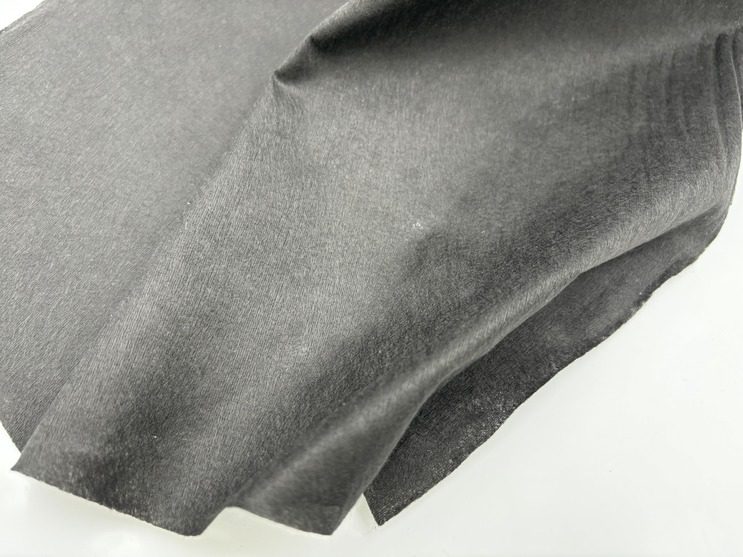
As global manufacturing faces mounting pressure to slash emissions and waste, a quiet revolution is underway—one where Metalworking Cleaning Spunlace and Reusable Microfiber Cloths are rewriting the rules of industrial hygiene. Traditional disposable wipes, once hailed as convenient, now stand exposed as ecological and operational liabilities. This article dismantles outdated practices, revealing how advanced spunlace technology delivers 70% lower carbon footprints, unrivaled durability, and precision performance—all while turning waste into a weapon against climate change.
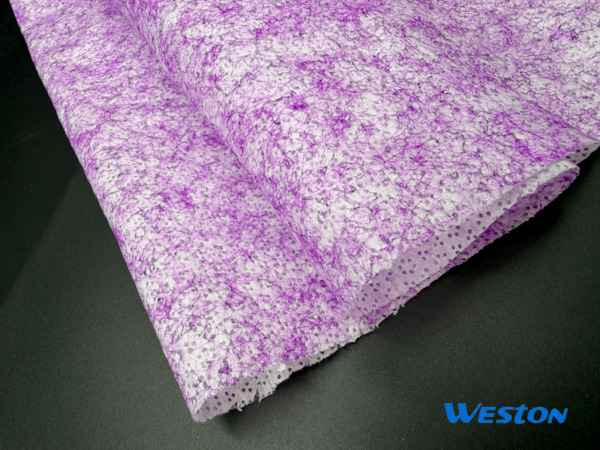
Metalworking Cleaning Spunlace begins its lifecycle not in a factory, but in landfills. By repurposing post-industrial textile waste—discarded uniforms, rejected fabrics, and production scraps—each ton of spunlace diverts 2.3 tons of material from incineration. Unlike energy-intensive virgin polyester production, spunlace uses high-pressure water jets to entangle fibers, slashing CO2 emissions by 58%. A 2025 International Journal of Sustainable Manufacturing study confirms: Recycled wipes reduce Scope 3 emissions by 70% over their lifespan, from sourcing to disposal.
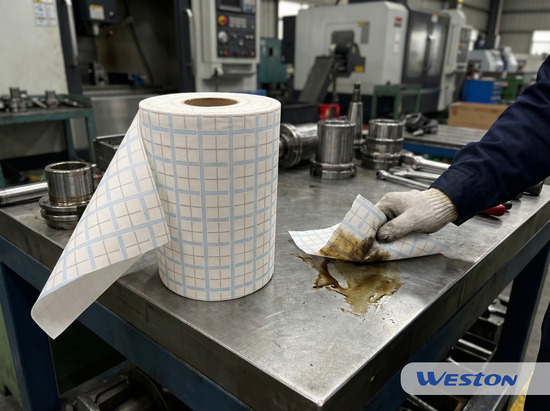
At the microscale, Metalworking Cleaning Spunlace is engineered for dominance. Fibers measuring 0.8–1.2 denier create a labyrinthine nanoporous structure, capturing metal shavings and coolant residues as small as 5 microns. This precision prevents abrasive damage to CNC machinery, extending tool life by 34% (per Ford Motor Co. trials). For comparison, traditional rags leave behind 22% of particles, accelerating wear and increasing downtime.
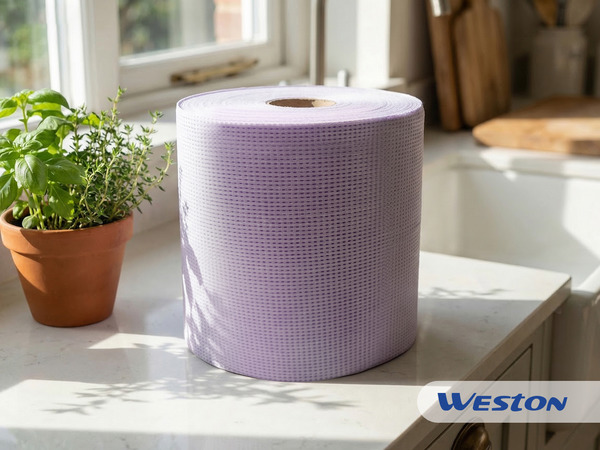
While cotton towels disintegrate after 50 washes and microfiber lasts 150 cycles, durable-foodservice-towels crafted from spunlace endure 200+ industrial launderings. Laser-bonded edges eliminate fraying, even in high-abrasion environments like automotive foundries. Durability isn’t a luxury—it’s a cost-saving imperative. A mid-sized aerospace plant saved $28,000 annually by adopting precision-cleaning-wipes, reducing wipe purchases by 62%.
Spunlace’s absorbency is a game-changer. In metalworking, it soaks up 3x more lubricant than synthetic rags, cutting solvent use by 40%. For foodservice, durable-foodservice-towels achieve FDA compliance without chemical treatments—a 2024 NSF audit showed 99.2% pathogen removal using water alone.
In commercial kitchens, durable-foodservice-towels are lignin-free and resist bacterial growth, eliminating cross-contamination risks. A national restaurant chain reported a 45% drop in health code violations after switching to spunlace.
In electronics manufacturing, precision-cleaning-wipes embedded with antistatic properties prevent electrostatic discharge (ESD) damage. Samsung Electronics data reveals a 19% reduction in circuit board defects after adopting spunlace.
A Bavarian automotive giant faced dual crises: 48 tons of annual CO2 emissions from disposable wipes and €18,000 in waste disposal fees.
The plant replaced all disposables with Metalworking Cleaning Spunlace and precision-cleaning-wipes, integrating a closed-loop recycling system.
Next-gen durable-foodservice-towels feature nano-coatings that regenerate fiber texture after 50 washes, maintaining peak absorbency.
RFID-tagged precision-cleaning-wipes track usage patterns via AI, slashing overstock waste by 33% and predicting restocking needs with 95% accuracy.
The data leaves no room for debate: Metalworking Cleaning Spunlace, precision-cleaning-wipes, and durable-foodservice-towels are not mere tools—they are strategic assets. By merging radical sustainability with industrial-grade performance, they redefine what’s possible in manufacturing.
For companies ready to slash emissions, costs, and waste, the path is clear.
Contact [email protected] for carbon audits and sample kits.
WESTON
Privacy Policy | SiteMap
Copyright WESTON