- Email: [email protected]


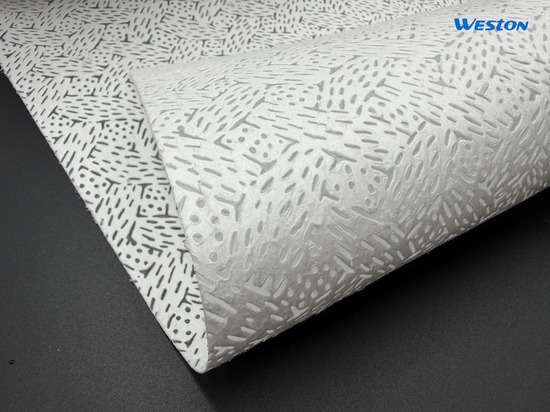

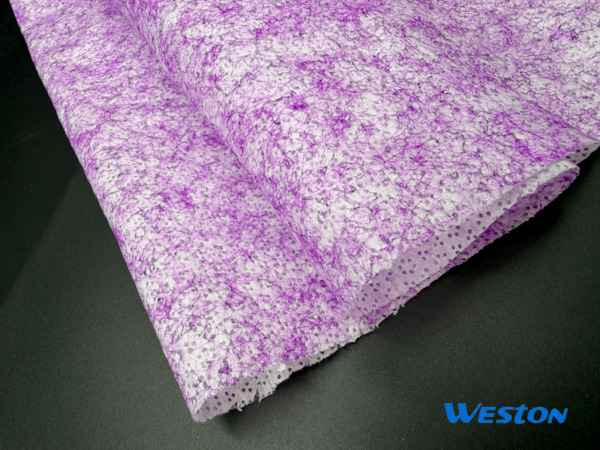
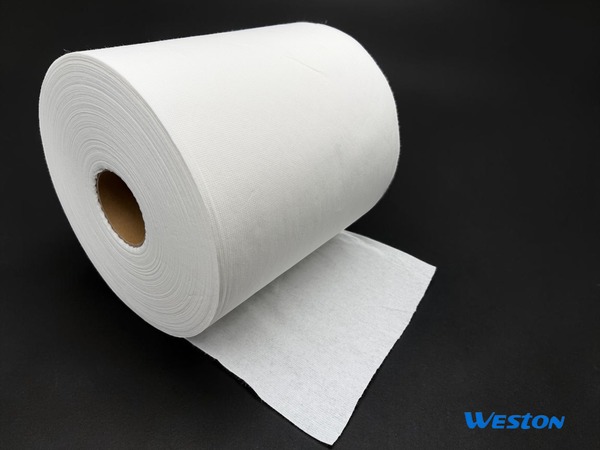
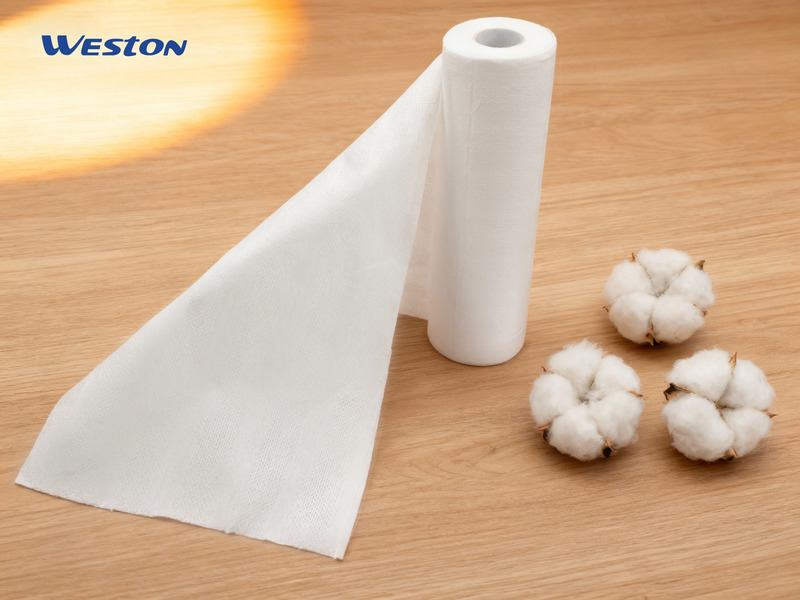
Engineered for industries demanding both environmental responsibility and uncompromising quality, our material—available in a standard basis weight of 70gsm and roll weight of 21.21Kg—sets a new benchmark. Let’s explore how this innovation is reshaping supply chains across healthcare, manufacturing, and consumer goods, backed by data that speaks for itself.
| Property | Standard Value | Test Methods
|
| Basis Weight | 81gsm | GB/T 24218.1-2009
|
| Filtration Efficiency (BFE) | ≥99% at 3.0 microns | GB/T 24218.1-2009
|
| Color | White | |
| Thickness | 0.57 | |
| Tensile Strength (MD/CD) | 42.6(MD) | GB/T 24218.3-2010
|
| 25.4(CD) | ||
| Elongation
| 13.1(MD) | |
| 32.5(CD) | ||
| LAC | 422 | GB/T 24218.6-2010
|
| Breathability
| ISO 9237
| |
| Absorbent Time | 3 seconds
|
Gone are the days of choosing between “green” and “high-performing.” Our material delivers superior results across three critical pillars, supported by rigorous testing and real-world data:
In healthcare and safety, filtration is non-negotiable. Weston’s High-Filtration PP Meltblown Cloth forms the core layer in surgical masks and respirators, achieving:
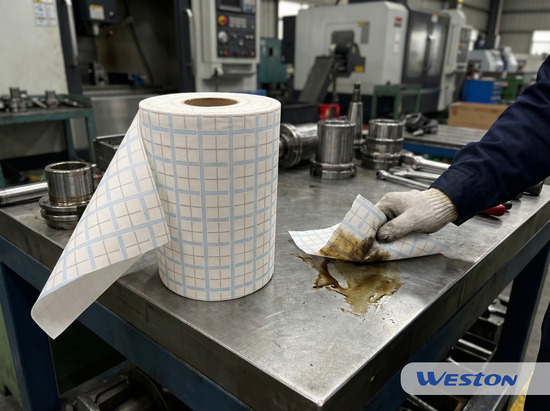
Industrial applications demand resistance to heat, chemicals, and mechanical stress. Our material excels where others fail:
From protecting healthcare workers to maintaining industrial machinery, our material adapts to diverse sectors, proving sustainability doesn’t limit functionality—it enhances it.

Yes. Our material’s moisture resistance matches virgin PP, with a water absorption rate of <0.5%—critical for applications like outdoor air filters or medical masks used in tropical climates.
Stored in sealed packaging, it remains stable for 24 months—with no loss in filtration efficiency or tensile strength.
Contact our team at [email protected] . We’ll send a sample kit including compliance certificates and processing recommendations.
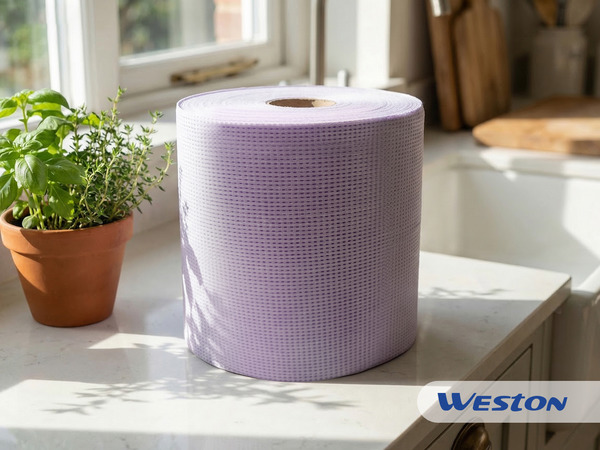
Healthcare (PPE, medical devices), industrial manufacturing (filters, wipes), packaging (food, e-commerce), and hygiene (wipes, diapers)—any sector needing high-performance nonwovens with a sustainability edge.
WESTON
Privacy Policy | SiteMap
Copyright WESTON