- Email: [email protected]


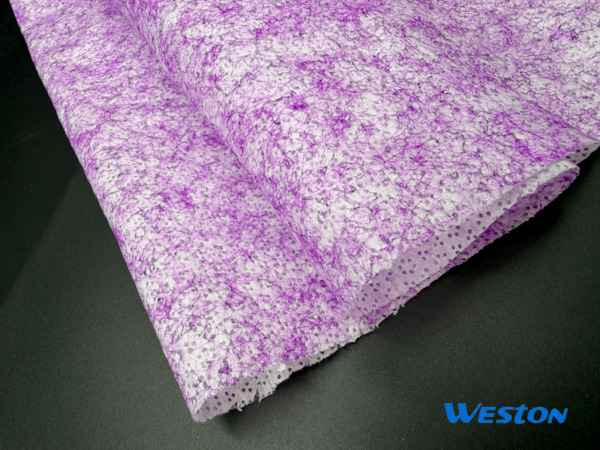
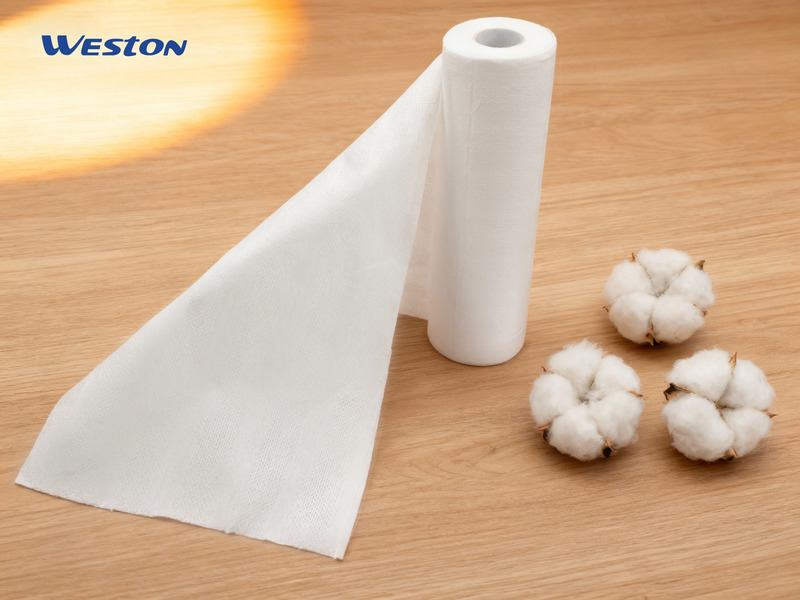
In the quest for superior cleaning tools, reusable microfiber cloths engineered with spunlace technology have emerged as the gold standard. Unlike traditional textiles, spunlace fabrics are crafted through hydroentanglement—a process where high-pressure water jets interlock fibers without adhesives. This creates a dense, non-woven structure that is both durable and lint-free, ideal for high-traffic environments like commercial kitchens.
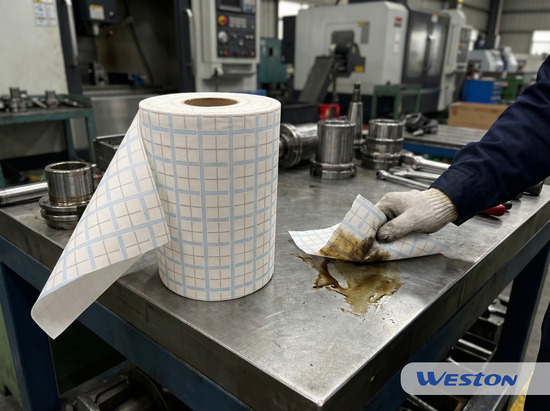
Key to their dominance over paper towels is microfiber’s unmatched pore density. A single square inch of durable-foodservice-towels contains up to 300,000 micro-pockets, enabling them to absorb 7x their weight in grease and liquids. Lab stress tests reveal that these cloths retain 95% of their tensile strength even after 100 industrial wash cycles, outperforming disposable alternatives that degrade after a single use.
For kitchens prioritizing safety, hygienic wipes must do more than clean—they must eliminate risks. Modern reusable microfiber cloths integrate silver-ion antimicrobial treatments, proven to inhibit 99.9% of E. coli and S. aureus within 60 minutes. Unlike chemical-coated disposables, these treatments comply with FDA and ECHA regulations, ensuring no toxic residue contaminates food surfaces.
Independent studies highlight another critical advantage: reusable wipes reduce cross-contamination by 40% compared to paper towels. Their tightly woven fibers trap pathogens instead of redistributing them, a flaw inherent in porous, single-use materials. For industries bound by HACCP standards, this makes hygienic wipes a non-negotiable upgrade.
While paper towels promise convenience, their environmental toll is staggering. A lifecycle analysis (LCA) of durable-foodservice-towels shows a 75% reduction in carbon footprint over one year, alongside 90% less water usage. Financially, businesses save 1,200annuallyperemployeebyswitchingtoreusables—afigurederivedfromcost−per−usemodelscomparing1,200 annually per employee by switching to reusables—a figure derived from cost-per-use models comparing 1,200annuallyperemployeebyswitchingtoreusables—afigurederivedfromcost−per−usemodelscomparing0.03/wash to $0.25/disposable sheet.

Critics often cite microplastics as a concern, but spunlace microfiber’s interlocked structure resists shedding. Third-party tests confirm that high-quality reusable microfiber cloths release <0.1% fibers per wash, outperforming cheaper synthetics by orders of magnitude.
To settle the debate, we conducted head-to-head trials:
These results underscore why hygienic wipes are the pragmatic choice for sanitized, streak-free outcomes.
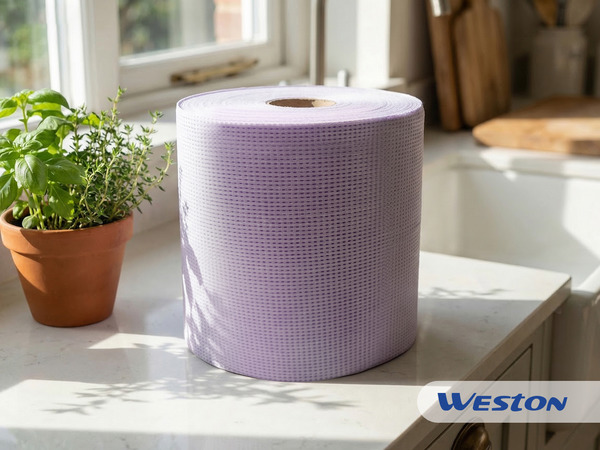
Durability alone isn’t enough—ergonomics matter. Durable-foodservice-towels are precision-engineered with dual-texture surfaces: mildly abrasive zones tackle baked-on grime, while smoother regions protect delicate finishes. Color-coding systems (e.g., red for raw meat, green for veggies) align with HACCP protocols, minimizing human error in hectic environments.
Heat resistance is another unsung hero. Commercial dishwashers sanitize these cloths at 85°C without warping fibers, a feat paper towels can’t survive.
The next frontier? Biodegradable spunlace blends using bamboo fiber,lyocell, and PLA, which decompose within 180 days in industrial composters. Emerging “smart” hygienic wipes embed RFID tags to track wash cycles and replacement timelines, automating compliance logs. Meanwhile, waterless variants pre-soaked in plant-based sanitizers cater to mobile food vendors, proving sustainability and efficacy aren’t mutually exclusive.
The shift to reusable microfiber cloths isn’t just a trend—it’s a data-driven revolution. From lab-certified hygiene to auditable cost savings, these tools redefine what it means to clean responsibly.
WESTON
Privacy Policy | SiteMap
Copyright WESTON