- Email: [email protected]

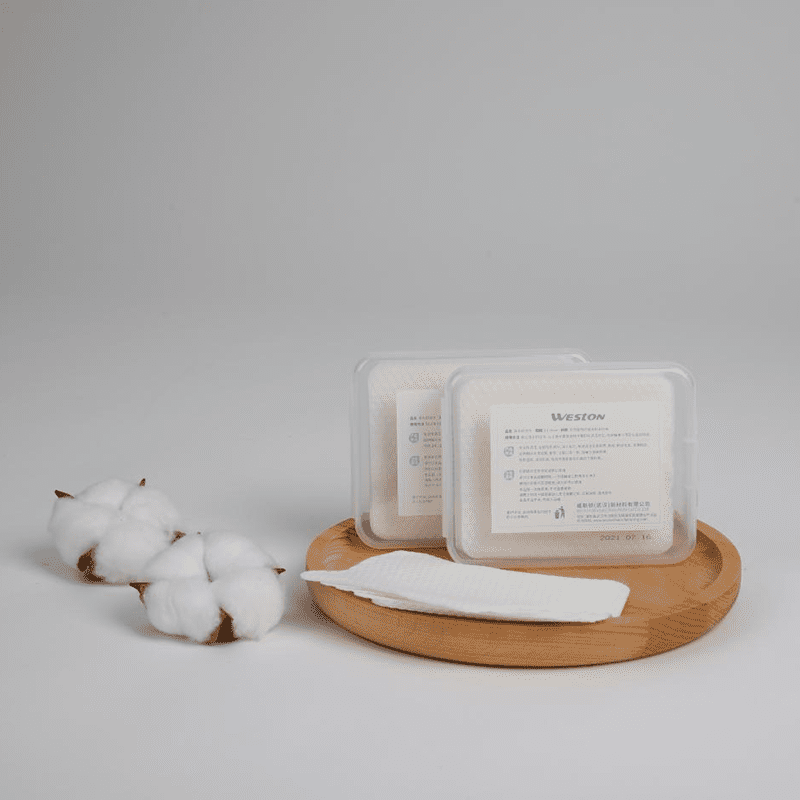
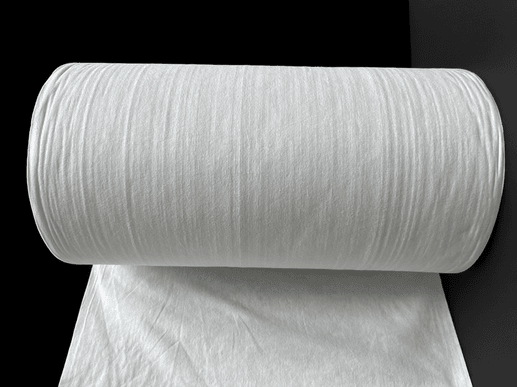
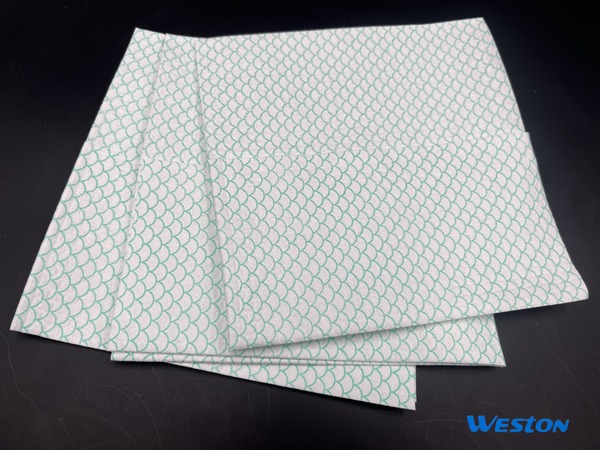
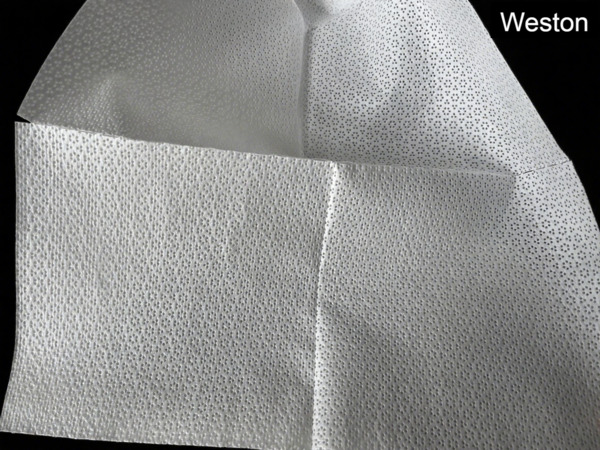
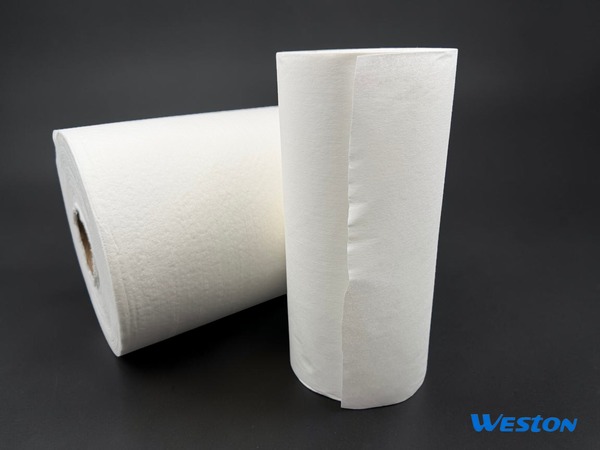
Eco-friendly spunlace nonwovens made from renewable materials, designed to decompose naturally. A sustainable choice for environmentally conscious brands in hygiene, personal care, and disposable products.
| Item | Our Offer |
| MOQ | With most products requiring 1 tons. |
| Sample | Free sample available for bulk orders. |
| Leading Times | 10–45 working days (varies by quantity and product types). |
| Main Product | Woodpulp Spunlace,Cotton/Bamboo Spunlace,PLA/Meltblown Nonwovens,Viscose/Polyester Spunlace,Oil Pads,Cleanroom Wipes |
| Customize Logo | Accepted |

Geneva,Switzerland,INDEX 2026
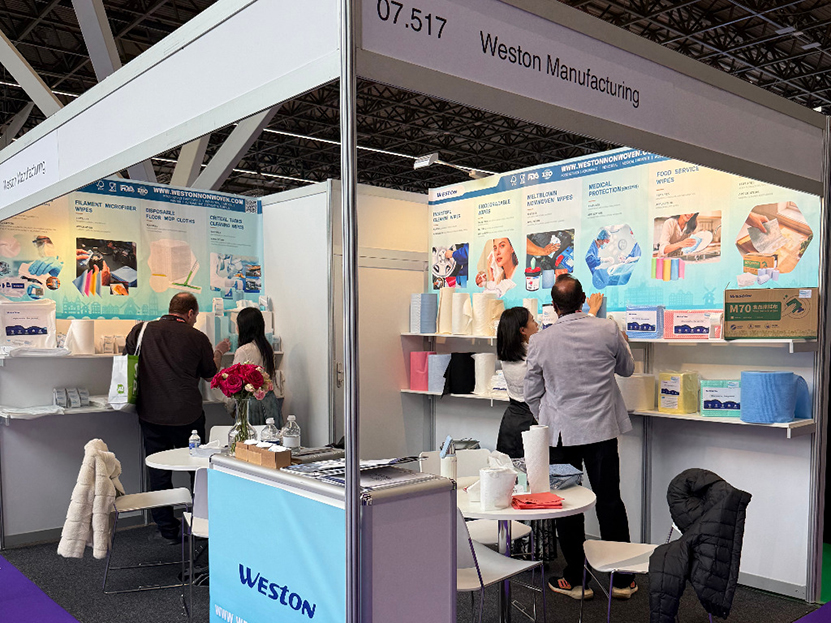
Amsterdam,Interclean Amsterdam,2026
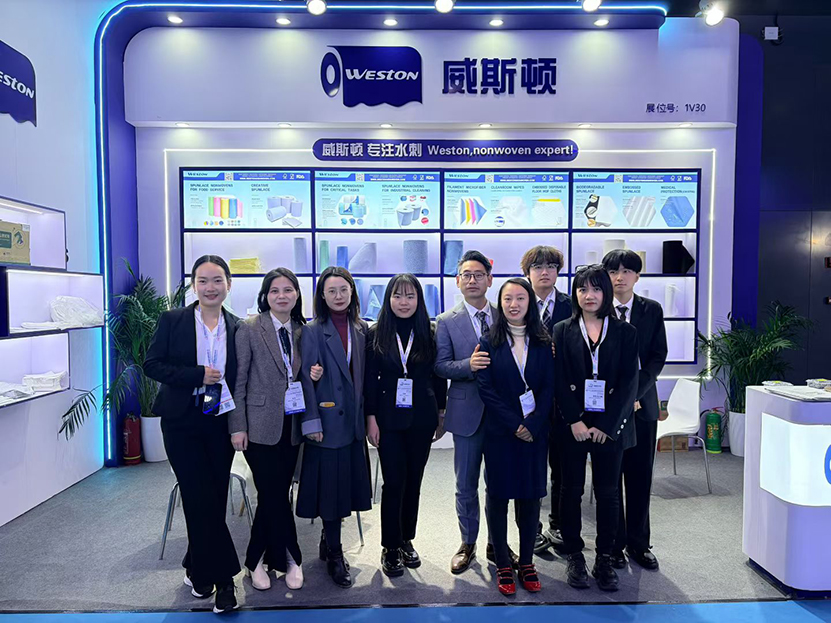
Shanghai,SINCE,2025

London,UK The Cleaning Show,2025

ISSA,PULIRE Milan Italy,2025
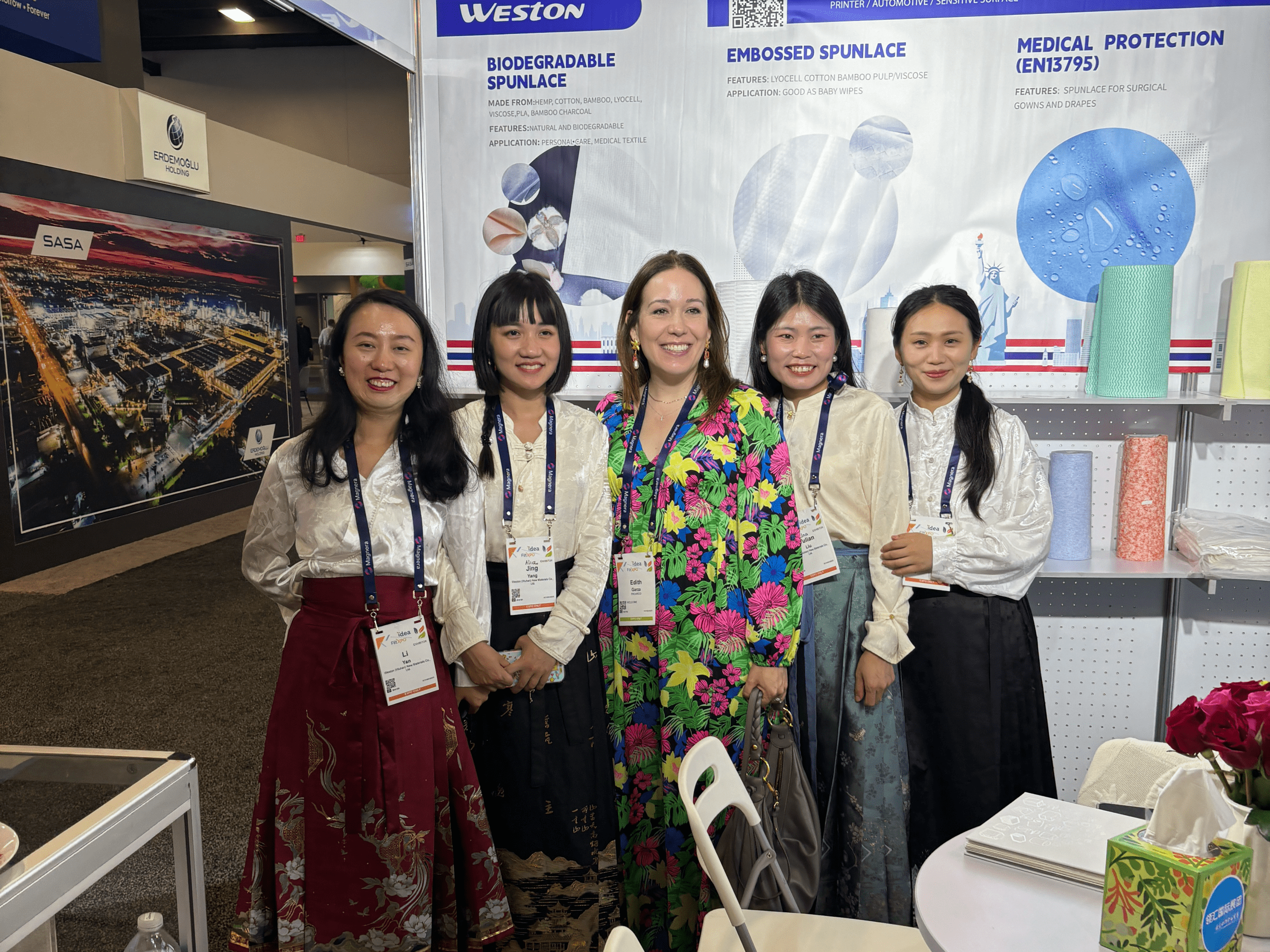
ISSA,PULIRE Milan Italy,2025
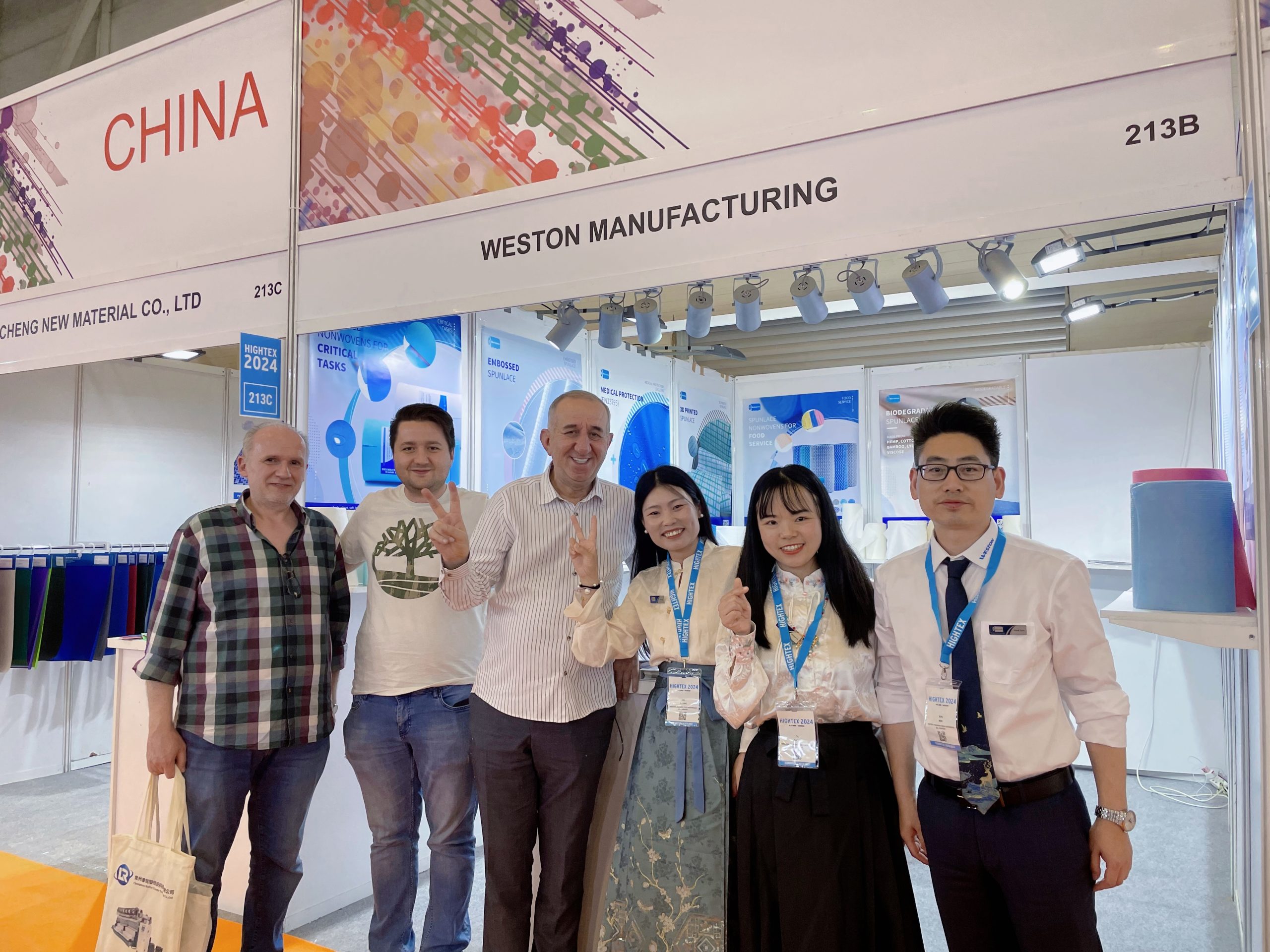
Istanbul, Hightex Show In Turkey,2024

Techtextil,Frankfurt,April 2024

AMSTERDAM,INTERCLEAN,2016
The question “Is spunlace biodegradable?” is pivotal in today’s eco-conscious market, where sustainability has become a defining factor for consumers and industries alike. The answer, however, is not a simple yes or no—it hinges on the materials and design of the spunlace nonwoven. Traditional spunlace products, often crafted from synthetic fibers like polyester or polypropylene, are typically non-biodegradable, persisting in landfills or natural environments for decades and contributing to microplastic pollution. In contrast, biodegradable spunlace is engineered to address this issue, offering a sustainable alternative that aligns with circular economy principles.
It’s important to note that biodegradation doesn’t happen randomly, it requires specific conditions. Most biodegradable spunlace products are designed to decompose in industrial composting facilities, where controlled temperatures (typically 55–60°C), humidity, and oxygen levels accelerate microbial activity. Under these conditions, they can fully decompose in 3–6 months, as certified by standards such as EN13795. Some advanced formulations are also home compostable, decomposing in backyard compost piles within 12 months, although this depends on fiber type and thickness.
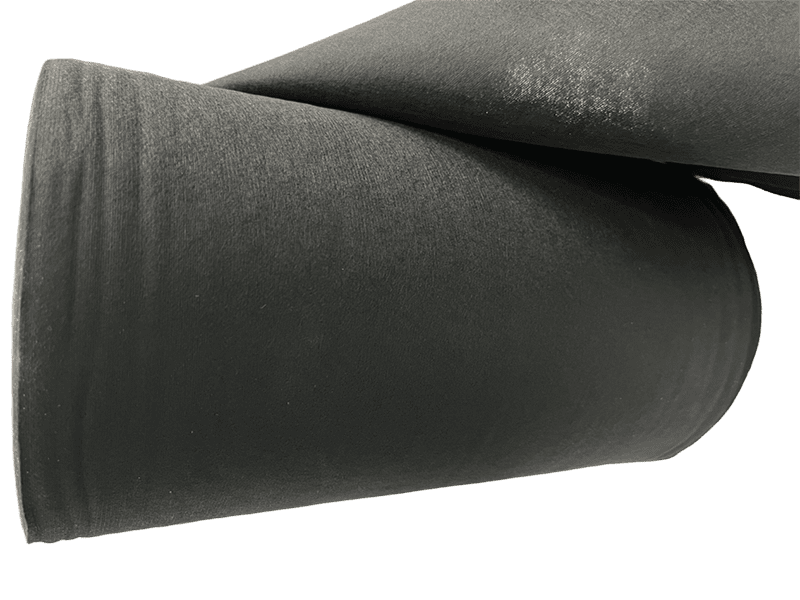
The applications of biodegradable spunlace further highlight its eco-friendly value. It is widely used in single-use products that have high requirements for disposability and sustainability: facial wipes, baby wipes, feminine hygiene products, and food service napkins. In agriculture, it is used as a biodegradable mulch, reducing the need for plastic film and enriching the soil as it decomposes. Packaging is another key area, with biodegradable spunlace used to package fruits, vegetables or fragile items, replacing non-biodegradable plastics.
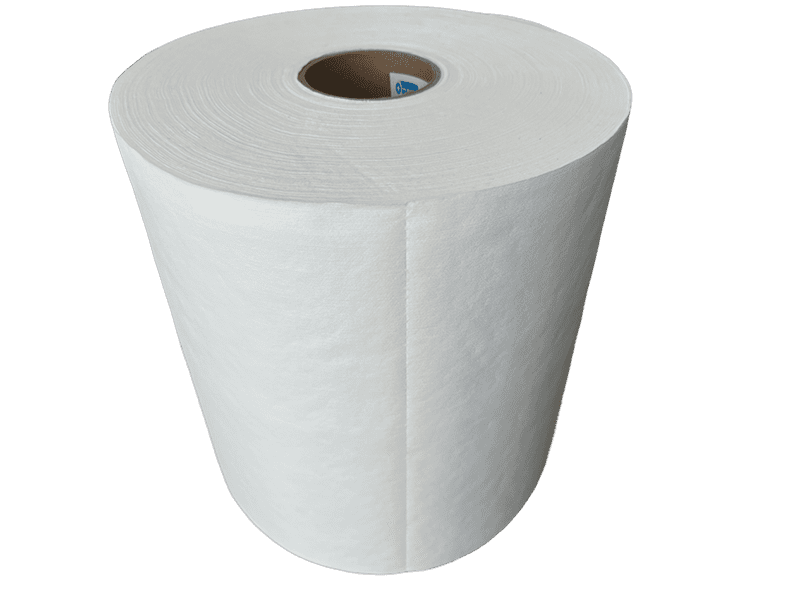
Despite the many benefits of biodegradable spunlace, there are some misconceptions. A common misconception is that all “natural” spunlace is automatically biodegradable. In fact, if natural fibers are treated with non-biodegradable chemicals (such as certain dyes or finishes), the material’s ability to decompose is impaired. Similarly, biodegradable does not mean “disposable in nature” – throwing biodegradable spunlace into the ocean or forest will not trigger effective decomposition because these environments lack the necessary microbial activity and conditions. Proper disposal in a composting facility is essential to maximize its environmental impact.
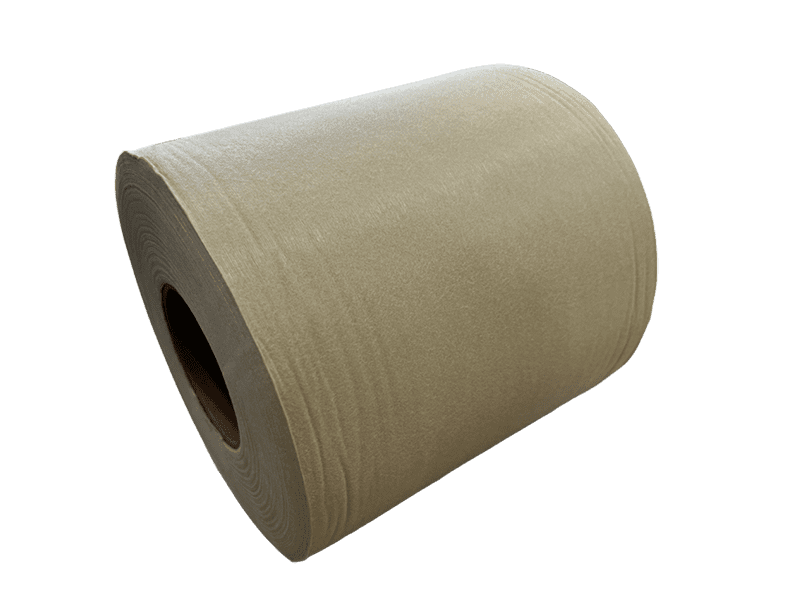
In summary, while not all spunlace nonwovens are biodegradable, biodegradable spunlace offers a clear solution for those seeking a sustainable alternative. By using renewable fibers and a clean manufacturing process, it addresses the environmental shortcomings of traditional synthetic spunlace. Its ability to decompose under controlled conditions makes it an important tool in reducing plastic waste, supporting industries in their transition to more responsible practices. For consumers and businesses, understanding the nuances of biodegradable spunlace – from its materials to its disposal requirements – ensures it can deliver on its environmental promise.
WESTON
Privacy Policy | SiteMap
Copyright WESTON