- Email: [email protected]

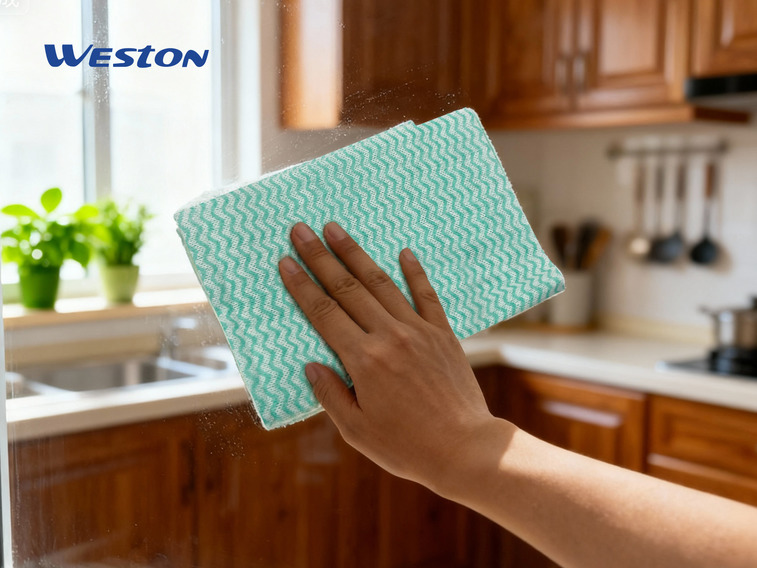
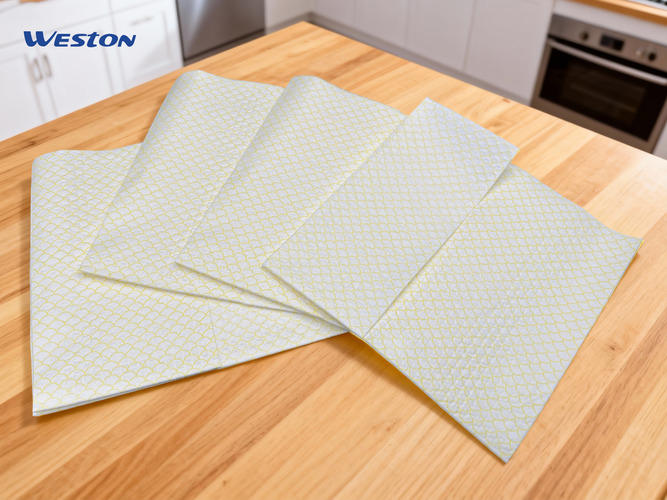
A perfect blend of wood pulp fibers and spunlace technology, offering excellent absorbency and softness. Ideal for hygiene, medical, and household applications where gentle performance meets reliable strength.
| Item | Our Offer |
| MOQ | With most products requiring 1 tons. |
| Sample | Free sample available for bulk orders. |
| Leading Times | 10–45 working days (varies by quantity and product types). |
| Main Product | Woodpulp Spunlace,Cotton/Bamboo Spunlace,PLA/Meltblown Nonwovens,Viscose/Polyester Spunlace,Oil Pads,Cleanroom Wipes |
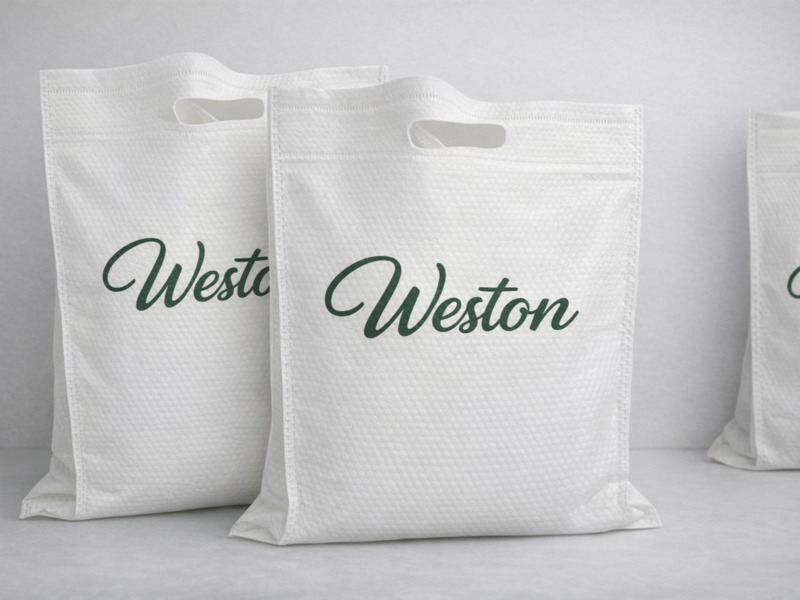
| Customize Logo | Accepted |

Geneva,Switzerland,INDEX 2026
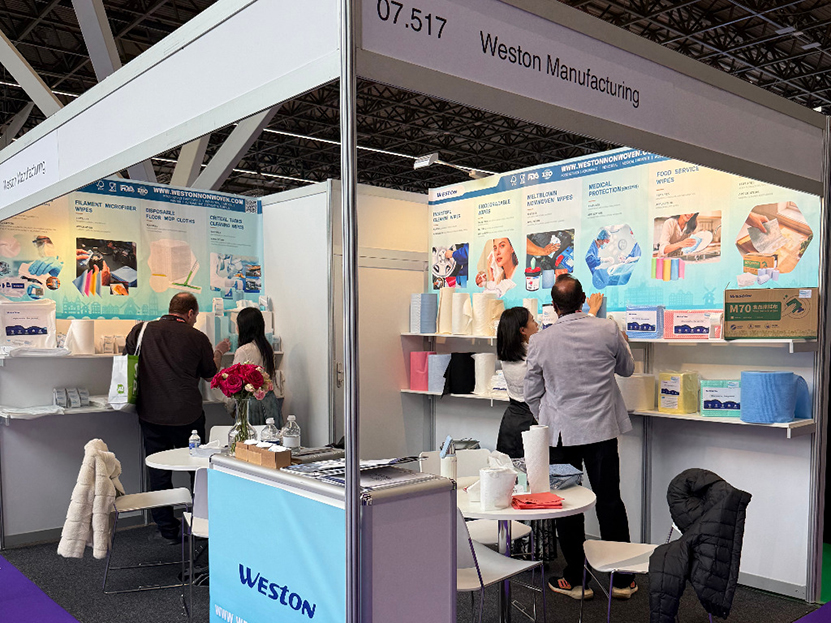
Amsterdam,Interclean Amsterdam,2026
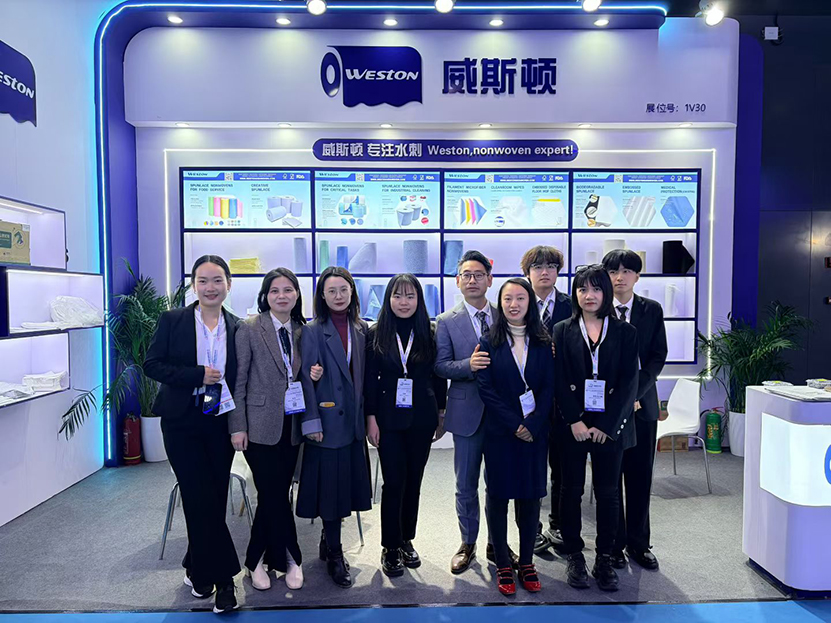
Shanghai,SINCE,2025
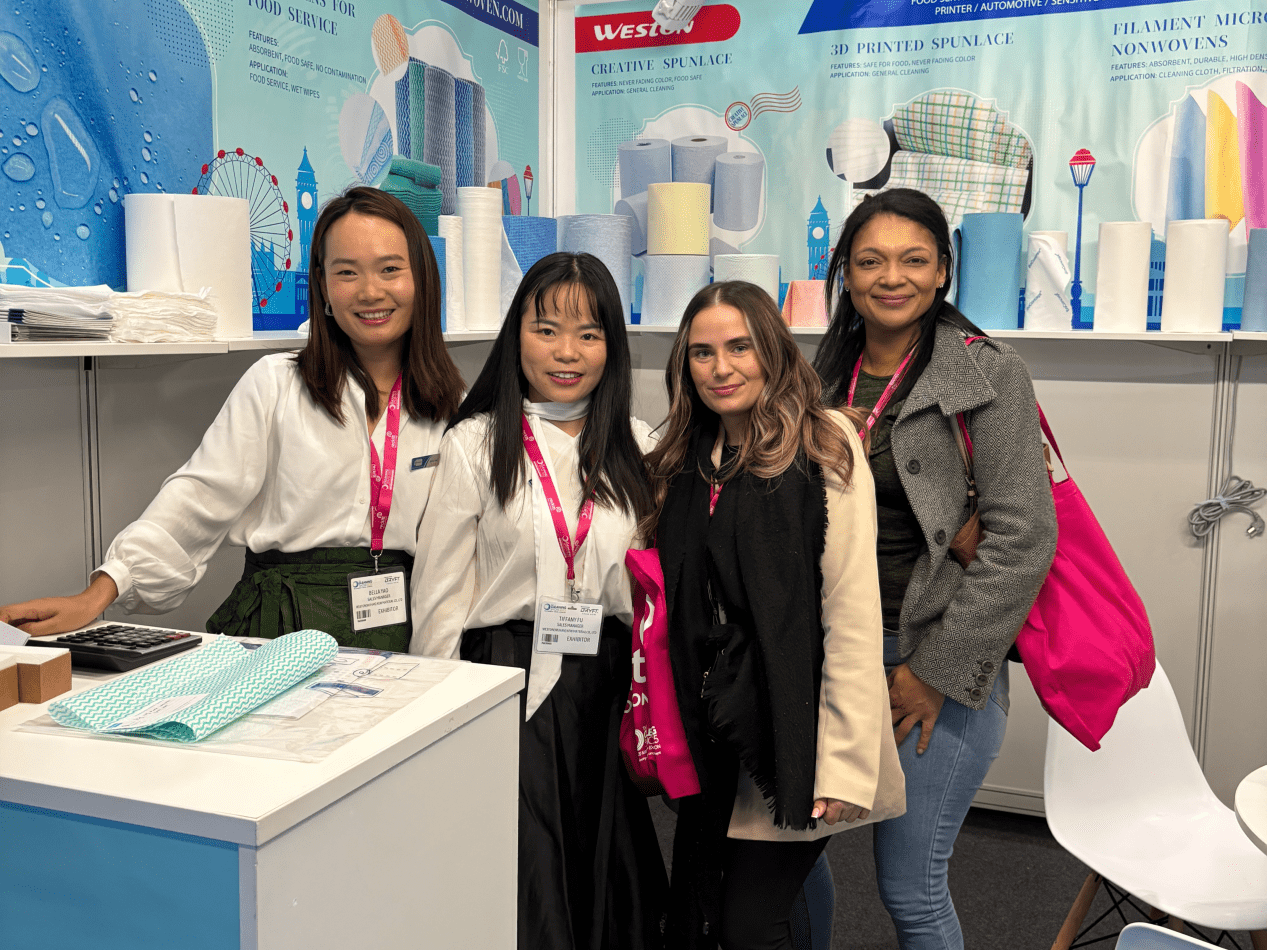
London,UK The Cleaning Show,2025
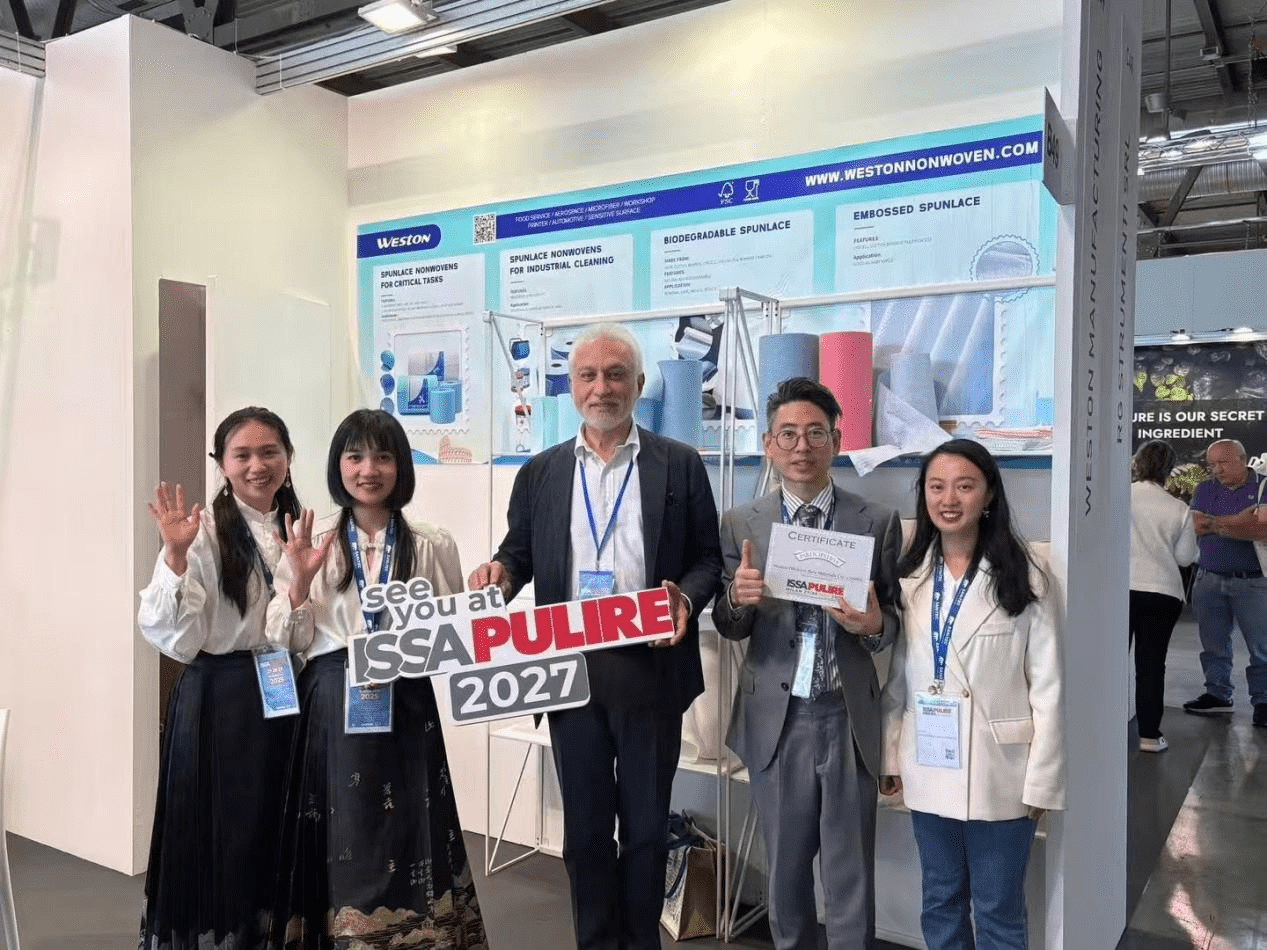
ISSA,PULIRE Milan Italy,2025
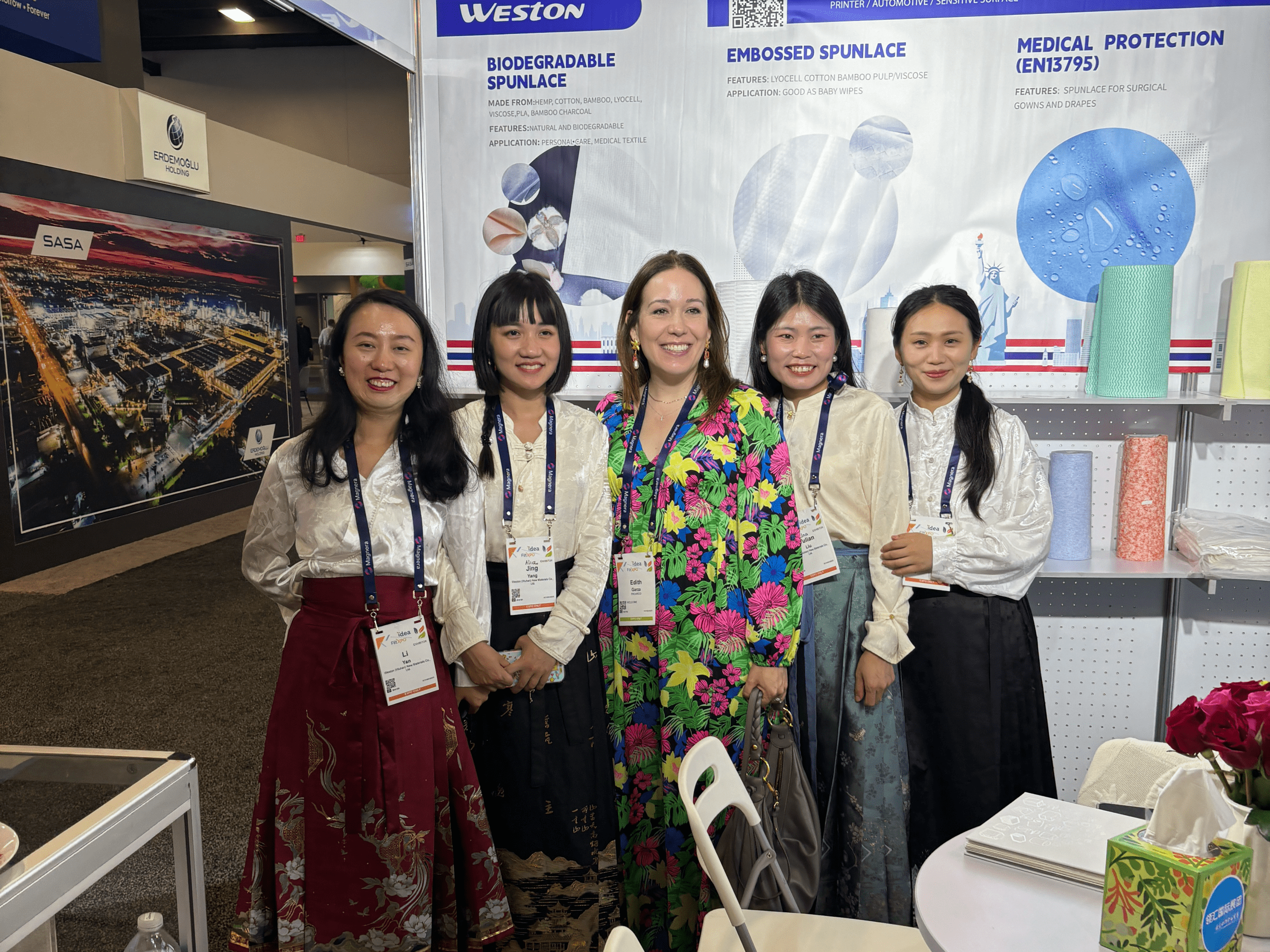
ISSA,PULIRE Milan Italy,2025
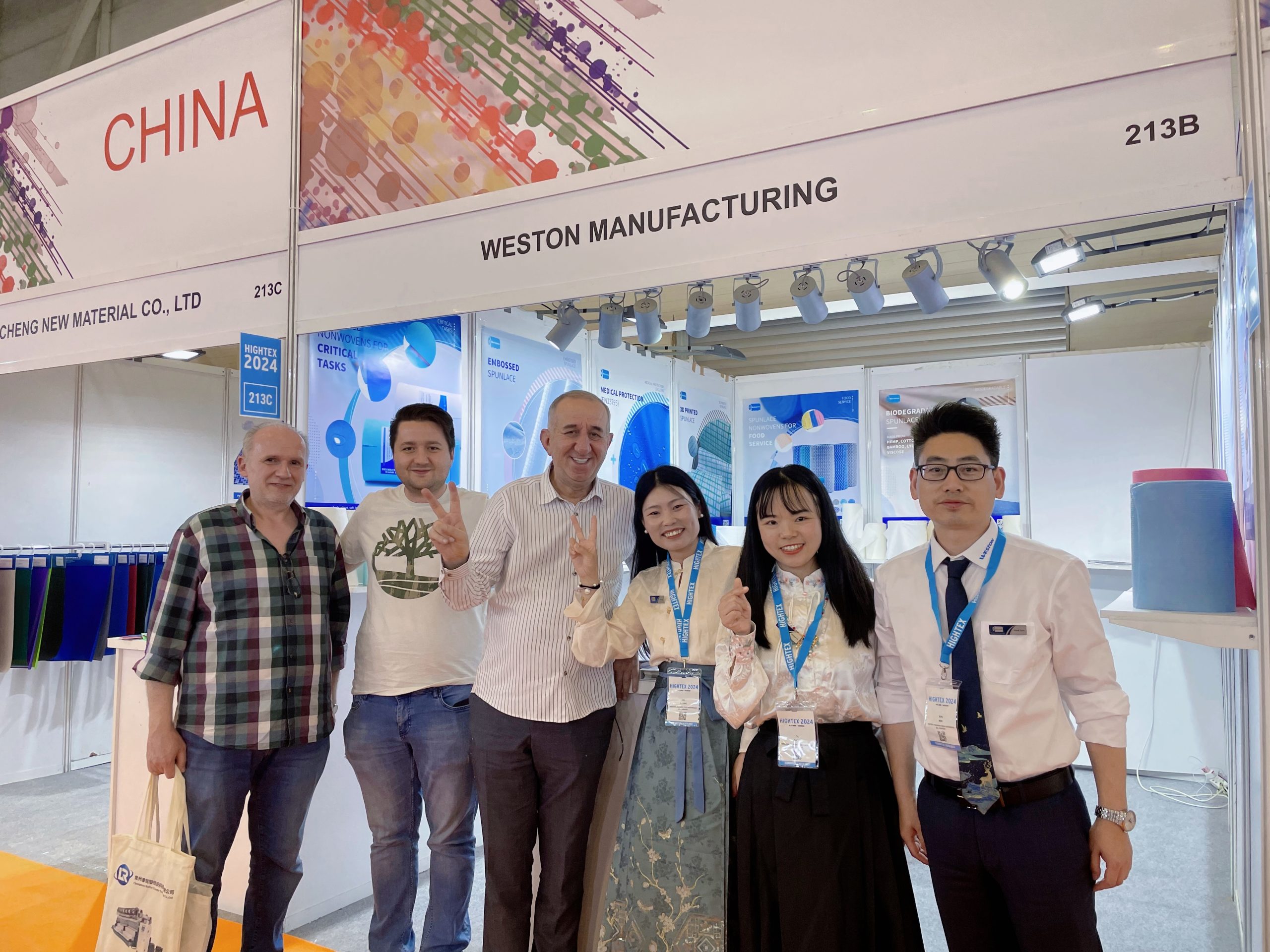
Istanbul, Hightex Show In Turkey,2024

Techtextil,Frankfurt,April 2024
AMSTERDAM,INTERCLEAN,2016
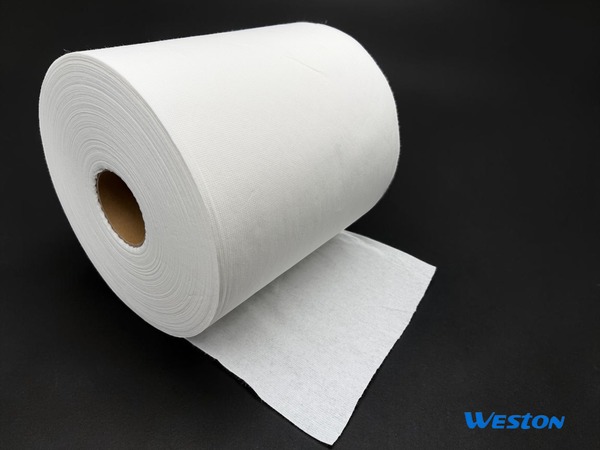
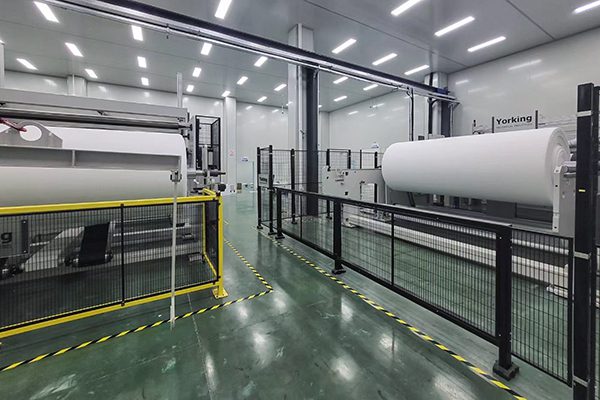
Woodpulp spunlace is a nonwoven fabric that is made by bonding wood pulp fibers together using high-pressure water jets. This process creates a fabric that is strong, soft, and highly absorbent, making it ideal for a wide range of applications.
Spunlace is widely used in the hygiene industry and is often used to make products such as baby wipes, facial wipes, and feminine hygiene products.
Its high absorbency allows it to absorb water and other liquids quickly and effectively, making it suitable for these applications.
The material is also soft and gentle on sensitive skin, making it an excellent choice for personal care products such as baby wipes.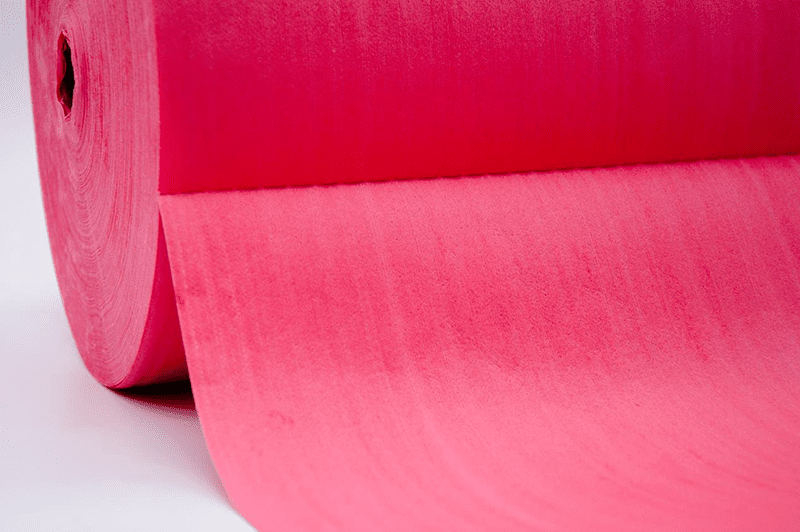
In the medical industry, spunlace is often used to make products such as surgical gowns, surgical drapes, and wound dressings.
The fabric’s strength and absorbency allow it to effectively absorb and hold liquids and other contaminants, making it ideal for these applications.
In addition, the fabric is durable and tear-resistant, making it suitable for use in medical environments where these materials may be frequently used and washed.
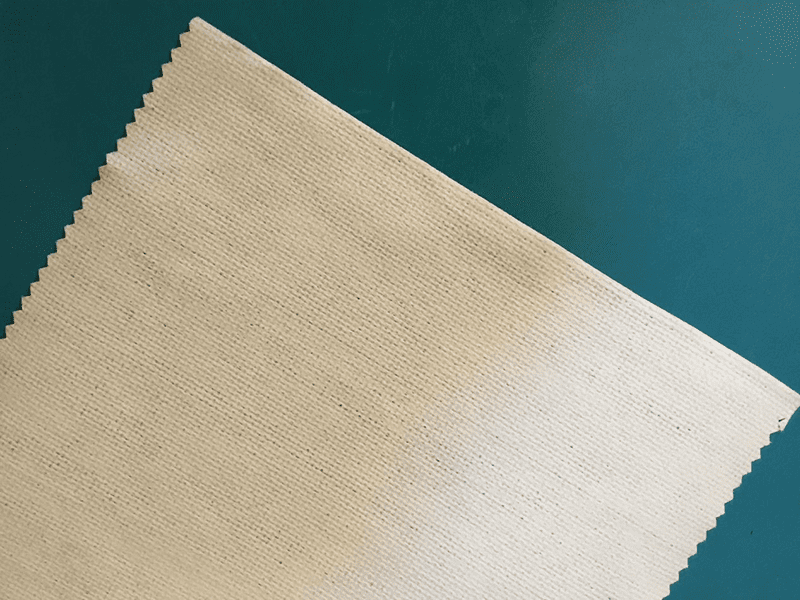
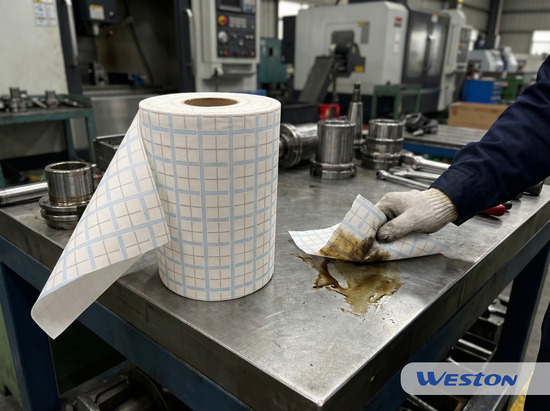
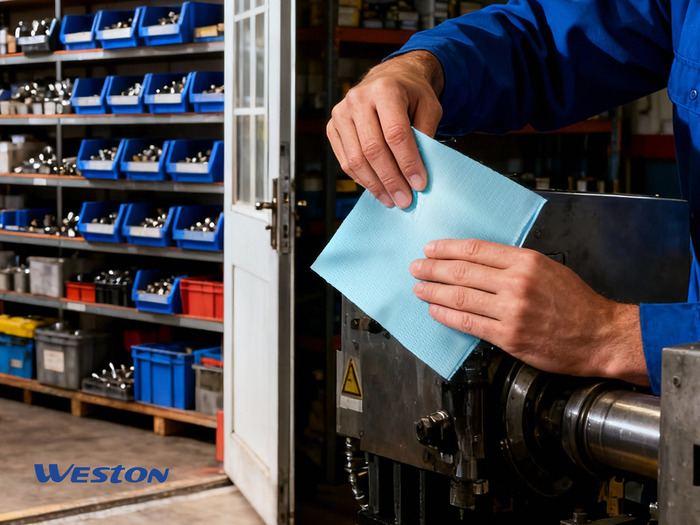
Another important industrial application for spunlace is in wiping cloths and other cleaning products.
It is highly absorbent and can effectively remove dirt, grease and other contaminants.
Also, the fabric’s strength and durability make it suitable for use in industrial environments where these materials may come into contact with corrosive chemicals or rough surfaces.
Spunlace is also popular in the automotive industry, where it is often used to make products such as car seat covers, headliners and trunk liners.
It is durable and can withstand the wear and tear of daily use.
Also, the fabric is highly absorbent, making it ideal for products such as car wash gloves and cleaning cloths.
The construction industry is another important market for spunlace, which is often used to make products such as roofing underlays and insulation materials.
It is highly durable and can withstand the elements.
Also, the fabric’s high absorbency makes it suitable for products such as floor mats and carpet underlays, which can effectively absorb moisture and prevent the growth of mold and mildew.
Spunlace is also commonly used in several other industries, such as the food and beverage industry, for products such as coffee filters and tea bags.
The high absorbency and strength of the fabric make it excel in these applications, effectively containing and filtering liquids and other contaminants.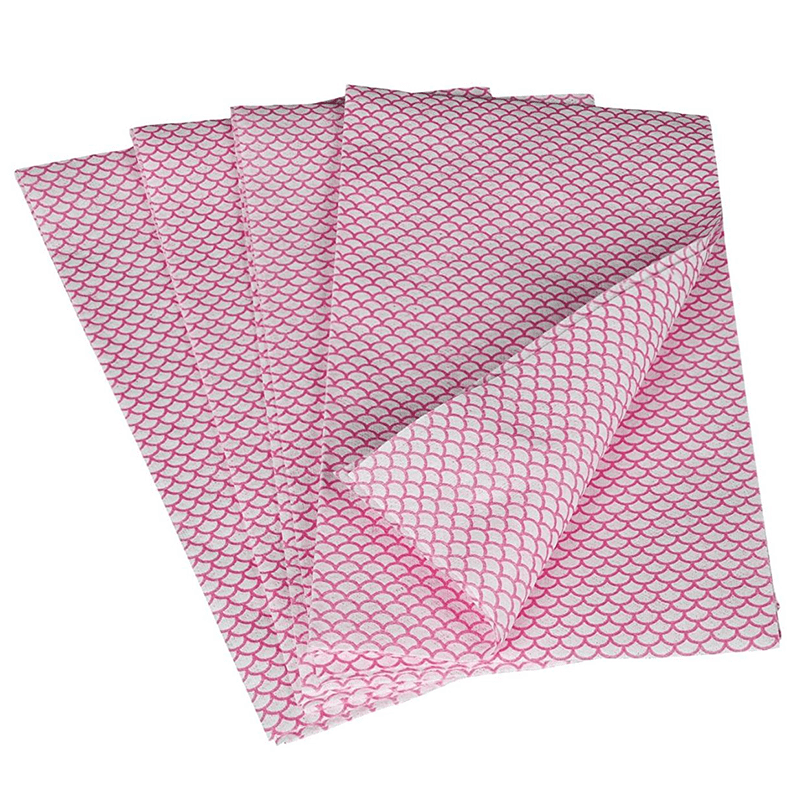
Overall, spunlace is a versatile and efficient nonwoven fabric suitable for use in a wide range of applications across multiple industries.
Its strength, absorbency, and softness make it an excellent choice for a wide range of applications such as personal care products, medical products, cleaning products, automotive products, and more.
Therefore, demand for spunlace is likely to continue to grow in the coming years as more industries recognize the many benefits of this versatile material. 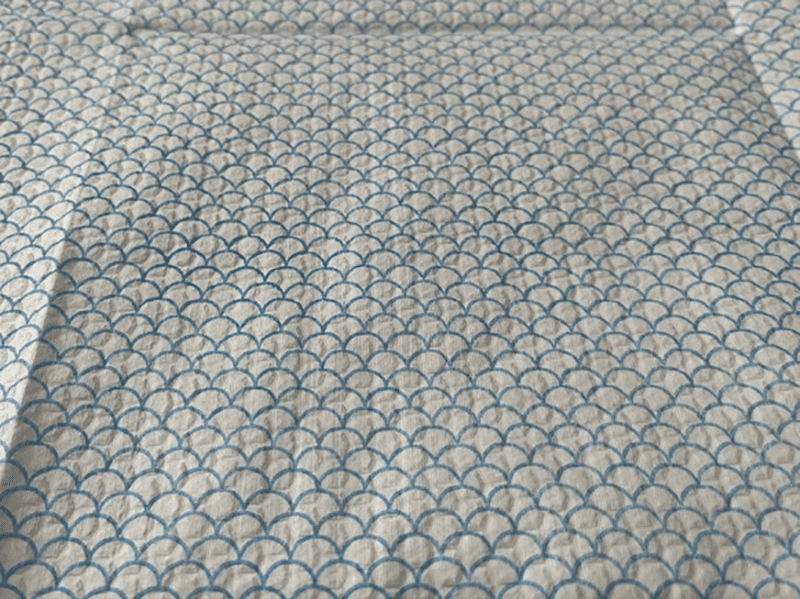
Typically, wood pulp fibers make up the majority of the fabric composition, with synthetic fibers such as polyester or polypropylene making up a smaller proportion.
The use of synthetic fibers helps to improve the strength, durability, and other properties of the finished product, while wood pulp fibers provide absorbency and softness.
The process of making the fabric involves high-pressure water jets that bond the fibers together, creating a strong, absorbent material.
The fibers are arranged in a random pattern, resulting in a fabric with no discernible weave or grain.
The composition of spunlace varies depending on the application, but is typically a blend of wood pulp and synthetic fibers, resulting in an absorbent, soft, and durable fabric suitable for use in a wide range of applications across many different industries.
Woodpulp spunlace:
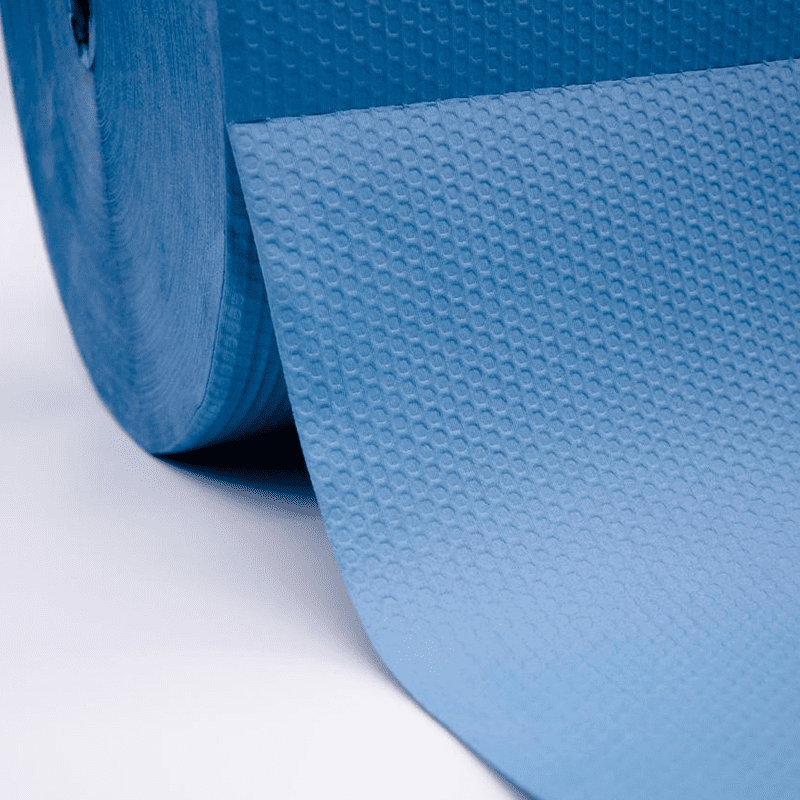
1.woodpulp polyester spunlace (white/turquoise/blue color);
2.woodpulp polypropylene spunlace (white/blue/red color);
3.woodpulp polyester + viscose spunlace (white/blue/gray color);
4.woodpulp polypropylene+ viscose spunlace (white/blue/gray color);
WESTON
Privacy Policy | SiteMap
Copyright WESTON