- Email: [email protected]


If you’ve ever used a baby wipe, facial sheet, or a smooth cleaning cloth that feels both soft and strong, chances are you’ve already met viscose spunlace nonwoven fabric — without even realizing it. It’s one of those quiet materials that support modern life, invisible but essential. This guide breaks down what it is, how it’s made, and why it matters — in plain language, no fluff.

Viscose spunlace fabric starts with something surprisingly simple: cellulose from plants, usually wood pulp. The word “viscose” refers to how that cellulose is transformed into fine, silky fibers. These fibers are then turned into a soft web, not woven or knitted like traditional cloth. Instead, they’re bonded by powerful streams of water — that’s the “spunlace” part.
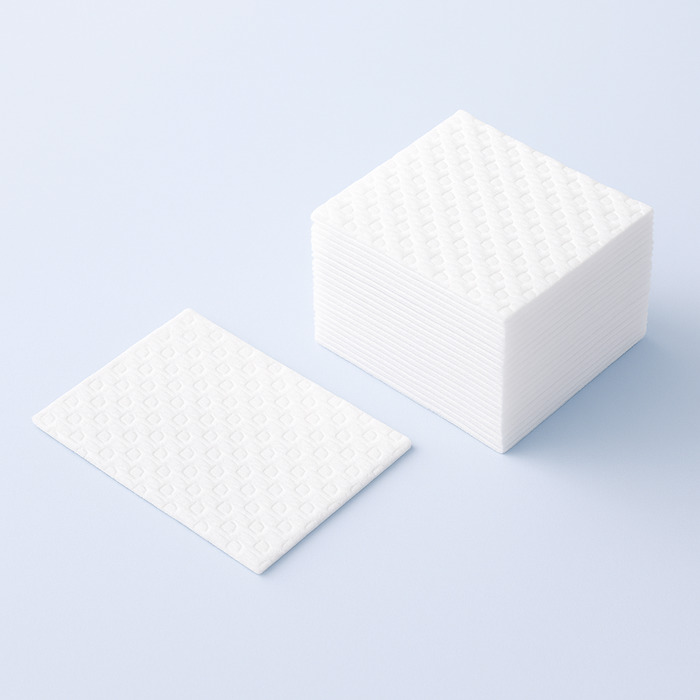
The result is a smooth, absorbent fabric that feels like cotton but performs with more consistency. It’s flexible, durable, and leaves behind no lint or residue, which is why it’s trusted in everything from skincare wipes to medical pads. Think of it as cotton’s modern cousin — efficient, gentle, and designed for the way we live today.
Unlike fabrics held together by glue or heat, viscose spunlace depends on water itself. The process goes roughly like this:
Plant-based cellulose is converted into viscose fibers.
The fibers are arranged evenly into a loose sheet.
High-pressure water jets shoot through the sheet, tangling the fibers together.
The result is a strong, cloth-like material — no binders, no chemicals, just physics.
This hydroentanglement method gives the fabric its signature softness and uniform strength. It’s cleaner, energy-efficient, and keeps the natural hand feel of the fibers. Compared to meltblown or needle-punched fabrics, it’s smoother to the touch and less prone to breakage or linting.
Viscose spunlace nonwoven fabric has earned its place in both household and industrial use because of a few practical traits:
High absorbency: It soaks up water and oil quickly, making it perfect for cleaning or personal care.
Smooth, lint-free texture: Safe for sensitive skin and precision surfaces alike.
Breathable yet strong: It allows air to pass through while staying intact even when wet.
Biodegradability: Depending on composition, it can break down naturally, especially in pure viscose grades.
Custom versatility: Blending viscose with polyester enhances strength and reusability for industrial environments.
This mix of softness, cleanliness, and function makes it the go-to material for wipes, towels, and even industrial filtration cloths.
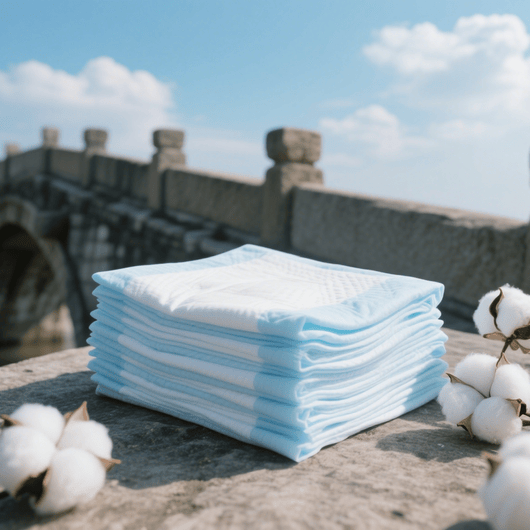
You encounter this material more often than you think. In your home, it’s behind the soft texture of baby wipes, kitchen rolls, and facial masks. In factories, it becomes precision wipes used for electronics, optics, and automotive cleaning. Hospitals rely on it for disposable gowns and absorbent pads. Even packaging designers use it for eco-friendly wrapping or decorative projects.
Its quiet versatility comes from the same core properties — absorbent, clean, and safe. Whether you’re wiping a kitchen counter or maintaining a machine, viscose spunlace plays a small but reliable role.

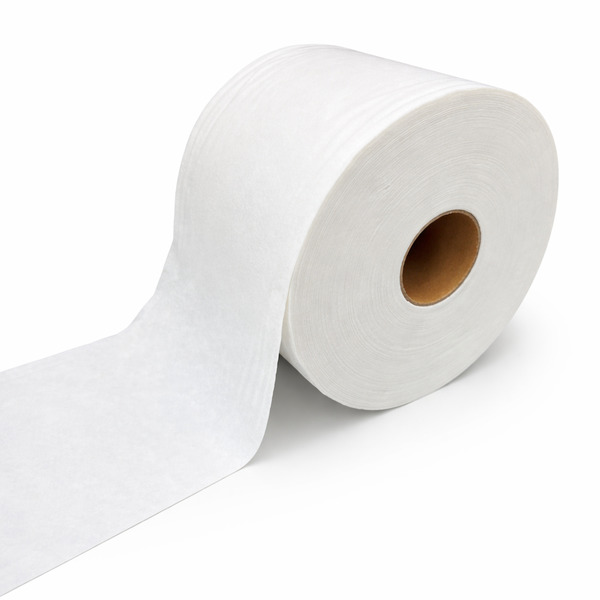
Behind every great wipe or cleaning cloth is a production line that needs stable performance. Manufacturers value viscose spunlace because it runs smoothly on modern hydroentangling machines and delivers consistent quality from roll to roll.
It’s adaptable — available in different weights, textures, and blends. It meets hygiene standards and can easily be combined with sustainable sourcing goals. For example, Weston Manufacturing has developed a wide range of spunlace fabrics tailored for both hygiene and industrial markets. Among its most notable products is 100% Viscose Plaid Printed Fabric, known for its balance of strength, softness, and eco-friendliness.
By refining water-jet pressure and fiber alignment, factories like Weston produce fabrics that feel natural but perform like engineered materials — reliable, repeatable, and ready for global use.
Let’s be honest: no material is flawless. The good news is that viscose spunlace has clear environmental advantages. Since it starts from renewable wood pulp, it avoids petroleum-based raw materials. Its production process uses mostly water and mechanical energy, not adhesives or thermal bonding.
Still, the viscose making stage can involve certain chemicals, and not all blends are fully biodegradable. A fabric that mixes viscose with polyester, for instance, may last longer but won’t decompose as easily. That’s why it’s worth checking if your supplier offers certified eco-grades.
Responsible factories — such as Weston Manufacturing, which prioritizes sustainable fiber sourcing — are moving toward cleaner viscose regeneration and closed-loop systems that reuse water and chemicals. Progress here is steady, realistic, and based on science, not slogans.
If you’re sourcing or simply comparing different products, here are a few practical tips:
Check fiber ratio: Pure viscose versions are softer and more biodegradable; blends are tougher.
Know the weight (GSM): Higher GSM means thicker and more absorbent.
Ask for certifications: Look for ISO or OEKO-TEX standards to ensure safety and consistency.
Test by touch: A quality viscose spunlace sheet feels smooth and cohesive, without loose fibers or uneven texture.
Inspect print and finish: For decorative or branded products like 100% Viscose Plaid Printed Fabric, precision printing and colorfastness indicate strong manufacturing control.
These checks help ensure you’re buying a material that performs well and aligns with your sustainability goals.
Viscose spunlace nonwoven fabric isn’t about futuristic technology or marketing buzz. It’s a smart evolution of natural fibers — engineered with water, designed for function, and refined for modern use. It bridges comfort, hygiene, and responsibility in one quiet sheet of fabric.
Whether it’s keeping a baby’s skin clean, polishing sensitive machinery, or adding softness to a package, viscose spunlace stands as proof that material science can stay both human and humble. And thanks to steady innovators like Weston Manufacturing, materials such as 100% Viscose Plaid Printed Fabric continue to show how everyday products can be both practical and kind to the planet — one fiber at a time.
WESTON
Privacy Policy | SiteMap
Copyright WESTON