- Email: [email protected]


The spunlace nonwoven industry stands at the forefront of material science innovation, transforming the way we create fabrics that are durable, versatile, and sustainable. From healthcare to hygiene, automotive to agriculture, spunlace technology has revolutionized countless sectors. As a leading Spunlace Fabric Supplier in China, Weston Nonwoven has been pivotal in driving this evolution, combining decades of expertise with cutting-edge research to deliver solutions that set global standards. Let’s dive into the journey of spunlace technology, its key advancements, and how Weston continues to shape its future.

Born from the need for a more efficient, eco-friendly fabric production method, spunlace technology—also known as hydroentanglement—emerged in the 1960s as a groundbreaking alternative to traditional weaving. The process utilizes high-pressure water jets to entangle fibers into a cohesive fabric, eliminating reliance on chemical binders or mechanical weaving. This innovation marked a turning point in nonwoven manufacturing, offering unprecedented flexibility and performance.
Today’s spunlace industry thrives on continuous innovation, with advancements in machinery, fiber science, and finishing techniques pushing the boundaries of what these fabrics can achieve.
The shift toward sustainability has spurred a revolution in spunlace materials, with Weston leading the charge in developing eco-friendly and high-performance blends.

The versatility of spunlace fabrics has made them indispensable in diverse sectors, each leveraging their unique properties to solve specific challenges.
For over [X] years, Weston Nonwoven has been a driving force in the spunlace industry, combining technical expertise with customer-centric innovation.
As consumer demands and technological capabilities evolve, the spunlace industry is poised for exciting advancements:

Q: What sets spunlace fabrics apart from traditional nonwovens?
A: Spunlace uses water jets to entangle fibers, resulting in stronger, more breathable fabrics with superior absorbency. Unlike traditional nonwovens that rely on chemicals or heat bonding, spunlace is more eco-friendly and offers greater design flexibility.
Q: Are Bamboo Fiber Sanitary Napkins as effective as synthetic options?
A: Yes—and even better in many ways! Bamboo fibers are naturally antibacterial and hypoallergenic, while spunlace technology ensures excellent fluid retention and distribution. They’re softer on skin and more sustainable, making them a top choice for modern feminine care.
Q: Can Weston create custom embossing for Waffle Embossed Spunlace?
A: Absolutely! We offer a range of embossing patterns, including custom designs, to meet your performance and aesthetic needs. Whether you need enhanced absorbency or a unique texture, our team can bring your vision to life.
Q: What’s the lead time for bulk spunlace fabric orders?
A: For standard products, lead time is 2–3 weeks. Custom solutions, which involve design and testing, typically take 4–6 weeks. We work closely with clients to ensure timely delivery without compromising quality.
Q: Are spunlace fabrics suitable for outdoor use?
A: Yes! With UV-resistant and water-repellent treatments, spunlace fabrics perform exceptionally well in outdoor applications. They’re used in everything from agricultural covers to automotive upholstery, offering durability and weather resistance.
The spunlace industry’s journey from a niche technology to a global manufacturing powerhouse is a story of innovation and adaptability. As a leading Spunlace Fabric Supplier in China, Weston Nonwoven is proud to have played a key role in this evolution, delivering fabrics that meet the highest standards of quality, sustainability, and performance.
Whether you’re developing the next generation of medical devices, eco-friendly hygiene products, or durable industrial solutions, Weston has the expertise and flexibility to bring your ideas to life. Our commitment to innovation, combined with decades of industry experience, ensures that you get the best spunlace fabrics tailored to your needs.
Ready to explore the possibilities of spunlace technology? Contact us to discuss custom solutions, request samples, or learn more about our full product range. Join the future of material innovation—partner with Weston Nonwoven today.
The spunlace nonwoven industry stands at the forefront of material science innovation, transforming the way we create fabrics that are durable, versatile, and sustainable. From healthcare to hygiene, automotive to agriculture, spunlace technology has revolutionized countless sectors. As a leading Spunlace Fabric Supplier in China, Weston Nonwoven has been pivotal in driving this evolution, combining decades of expertise with cutting-edge research to deliver solutions that set global standards. Let’s dive into the journey of spunlace technology, its key advancements, and how Weston continues to shape its future.
1. The Origins and Early Development of Spunlace Technology
Born from the need for a more efficient, eco-friendly fabric production method, spunlace technology—also known as hydroentanglement—emerged in the 1960s as a groundbreaking alternative to traditional weaving. The process utilizes high-pressure water jets to entangle fibers into a cohesive fabric, eliminating reliance on chemical binders or mechanical weaving. This innovation marked a turning point in nonwoven manufacturing, offering unprecedented flexibility and performance.
Key Milestones in Early Development
1960s–1970s: Pioneering Beginnings
European and American companies developed the first commercial spunlace machines, primarily using blends of polyester and cotton to create industrial wipes. These early fabrics were praised for their strength and absorbency, laying the foundation for future applications.
1980s–1990s: Global Expansion and Fiber Innovation
Asia, particularly China, emerged as a manufacturing powerhouse due to cost-efficient production and rapid technological adoption. By integrating polyamide and viscose fibers, manufacturers created softer, stronger fabrics, expanding into personal care (e.g., baby wipes) and medical fields (e.g., surgical dressings).
Core Advantages of Spunlace Technology
Flexible Fiber Blending: Unlike traditional methods, spunlace allows unlimited combinations of natural (cotton, bamboo) and synthetic (polyester, polypropylene) fibers. This versatility enables tailor-made fabrics for specific needs—from ultra-soft baby wipes to heavy-duty industrial cloths.
Eco-Friendly Production: Spunlace reduces water and energy use by 30% compared to traditional textile manufacturing, aligning with global sustainability goals. Its chemical-free entanglement process minimizes environmental impact, making it a preferred choice for eco-conscious brands.
2. Modern Technological Breakthroughs in Spunlace Manufacturing
Today’s spunlace industry thrives on continuous innovation, with advancements in machinery, fiber science, and finishing techniques pushing the boundaries of what these fabrics can achieve.
Advanced Machinery for Precision Engineering
High-Pressure Water Jet Systems: Modern spunlace machines operate at pressures up to 200 bar, creating intricate fiber entanglements that enhance tensile strength by 40% compared to early-generation fabrics. This increased durability is critical for industrial applications, such as automotive interiors and heavy-duty wipes.
AI-Powered Process Control: Computerized systems now optimize water pressure, fiber laydown, and drying processes in real time. This precision reduces material waste by 25% and ensures uniform quality across large production runs, a key advantage for bulk buyers.
Surface Treatment Innovations
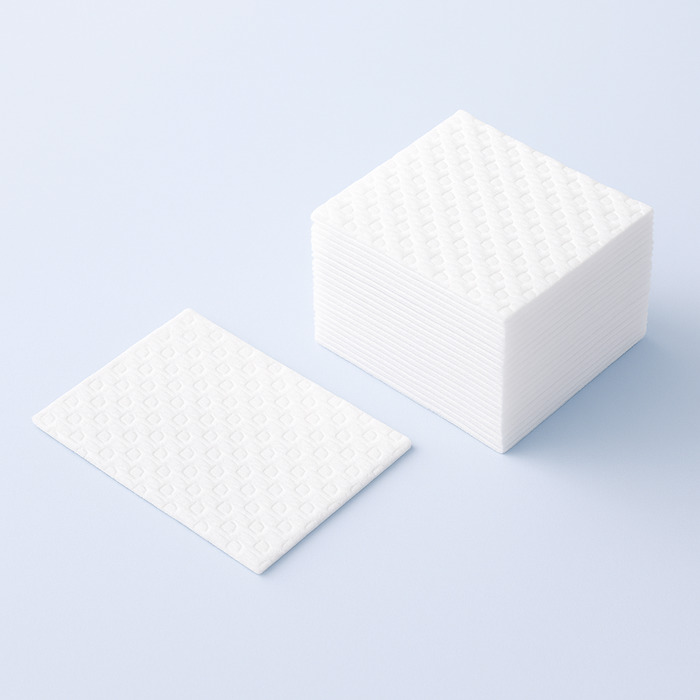
Waffle Embossed Spunlace: Weston’s proprietary embossing technology is a game-changer for absorbency and strength. The textured surface increases liquid retention by 50% while enhancing mechanical durability, making it ideal for industrial wipes that need to handle oils, greases, and solvents. In medical applications, this design improves fluid distribution in wound dressings, promoting faster healing.
Antimicrobial Coatings: Post-production treatments with silver ions or zinc oxide give spunlace fabrics long-lasting germ resistance, meeting ISO 22196 standards for healthcare use. These coatings are now standard in surgical drapes and hygiene products, providing an extra layer of protection in critical environments.
3. Material Innovations: From Synthetic to Sustainable Fibers
The shift toward sustainability has spurred a revolution in spunlace materials, with Weston leading the charge in developing eco-friendly and high-performance blends.
Natural Fiber Integration for Hygiene and Comfort
Bamboo Fiber Sanitary Napkins: Weston’s innovative use of bamboo fibers combines nature’s antibacterial properties with spunlace technology. Bamboo fibers are 100% biodegradable and inherently hypoallergenic, reducing skin irritation by 30% compared to traditional synthetic materials. These napkins offer superior absorbency and breathability, catering to the growing demand for safe, sustainable feminine care products.
Cotton-Rich Fabrics: By blending up to 70% cotton with synthetic fibers, Weston creates hypoallergenic wipes and medical sponges that meet USP Class VI biocompatibility standards. These fabrics are gentle enough for sensitive skin yet strong enough for heavy-duty medical applications.
Recycled and Low-Carbon Materials
Post-Consumer Recycled (PCR) Polyester: Weston’s recycled spunlace fabrics are made from 100% recycled plastic bottles, reducing reliance on virgin petroleum products and lowering the carbon footprint by 25%. These fabrics are ideal for industrial wipes and packaging, combining sustainability with rugged performance.
PLA (Polylactic Acid) Fibers: Derived from corn starch, PLA fibers are fully biodegradable and offer excellent thermal stability. Weston uses them in compostable agricultural mulch and eco-friendly packaging, supporting the global transition to circular economy practices.
4. Expanding Applications: Spunlace Across Industries
The versatility of spunlace fabrics has made them indispensable in diverse sectors, each leveraging their unique properties to solve specific challenges.
Healthcare and Medical: Protection and Precision
Surgical Drapes and Gowns: Spunlace fabrics with hydrophobic coatings act as a barrier against fluids while allowing air to circulate, keeping surgeons comfortable during long procedures. Their lightweight design reduces fatigue, a critical factor in high-stress medical environments.
Wound Dressings: Soft, absorbent spunlace nonwovens coated with hydrocolloids create an optimal moist environment for wound healing, accelerating tissue regeneration by up to 20%. These dressings are gentle on skin and reduce the risk of scarring.
Personal Care and Hygiene: Comfort and Safety
Baby Wipes: Weston’s baby wipes, made with bamboo fiber technology, are free from alcohol, parabens, and other irritants. They’re soft enough for delicate baby skin yet strong enough to handle messy cleanups, catering to the $20 billion global baby care market.
Feminine Hygiene: Ultra-thin spunlace cores in sanitary napkins offer 20% better fluid distribution than traditional materials, ensuring leak protection and all-day comfort. The natural antibacterial properties of bamboo fibers add an extra layer of confidence for users.
Industrial and Technical: Durability and Efficiency
Automotive Interiors: Flame-retardant spunlace fabrics are used for headliners and door trims, weighing 30% less than traditional woven materials. This lightweight design improves fuel efficiency while meeting strict automotive safety standards.
Cleanroom Wipes: Lint-free spunlace cloths with submicron particle filtration are essential in electronics manufacturing, where even a single particle can damage sensitive components. These wipes meet ISO Class 5 cleanroom standards, ensuring precision in microchip production and medical device assembly.
5. The Role of Weston Nonwoven as a Leading Spunlace Fabric Supplier in China
For over [X] years, Weston Nonwoven has been a driving force in the spunlace industry, combining technical expertise with customer-centric innovation.
Vertical Integration for End-to-End Quality
In-House R&D Center: A team of 50+ engineers continuously develops new fiber blends and finishing techniques. Our award-winning Waffle Embossed Spunlace for industrial use is a testament to this innovation, offering unmatched absorbency and durability.
State-of-the-Art Manufacturing: With 10 automated production lines and an annual capacity of 15,000 tons, we ensure quick turnaround for both standard and custom orders. Our facilities adhere to strict quality control, guaranteeing consistency batch after batch.
Global Compliance and Certifications
OEKO-TEX® Standard 100: All Weston fabrics are tested for 100+ harmful substances, making them safe for direct contact with skin. This certification is a must for entering European and North American markets.
GMP Certification: Our medical-grade spunlace fabrics meet Good Manufacturing Practice standards, ensuring they’re suitable for use in surgical products and hygiene applications that require the highest purity.
Custom Solutions for Every Need
Tailored Fabric Development: Whether you need antibacterial wipes for food processing or ultra-soft baby care products, our team works closely with you to design bespoke solutions. We offer custom embossing, fiber blending, and packaging options to meet your unique requirements.
Bulk Manufacturing Expertise: With flexible minimum order quantities (MOQs) and competitive pricing, we support everyone from large-scale retailers to niche brands. Our global logistics network ensures timely delivery to any destination.
6. Future Trends Shaping the Spunlace Industry
As consumer demands and technological capabilities evolve, the spunlace industry is poised for exciting advancements:
Smart Fabrics for Advanced Applications
Antistatic and Conductive Fabrics: Designed for electronics manufacturing, these fabrics prevent electrostatic discharge (ESD), a common cause of damage to sensitive components. Weston is already supplying ESD-safe spunlace cloths to leading semiconductor companies.
Phase-Change Materials (PCM) Integration: By embedding PCM into spunlace fabrics, we can regulate temperature in personal protective equipment, keeping workers comfortable in extreme heat or cold. This technology is expanding into outdoor gear and industrial apparel.
Circular Economy and Sustainability
Closed-Loop Recycling Systems: Weston is developing processes to recycle used spunlace products into new fibers, aiming for a 50% recycling rate by 2030. This closed-loop model reduces waste and creates a more sustainable supply chain.
Biodegradable Packaging: Spunlace fabrics made from plant-based fibers are replacing plastic in e-commerce and food packaging. These materials are not only eco-friendly but also offer superior strength and moisture resistance.
Emerging Markets and Innovations
Agriculture: Biodegradable spunlace mulch films are revolutionizing farming by reducing soil erosion and plastic waste. These films break down naturally after the growing season, leaving no harmful residues.
Aerospace: Lightweight, flame-resistant spunlace composites are being tested for aircraft interiors, contributing to fuel efficiency and passenger safety.
7. People Also Ask: Your Spunlace Industry Questions Answered
Q: What sets spunlace fabrics apart from traditional nonwovens?
A: Spunlace uses water jets to entangle fibers, resulting in stronger, more breathable fabrics with superior absorbency. Unlike traditional nonwovens that rely on chemicals or heat bonding, spunlace is more eco-friendly and offers greater design flexibility.
Q: Are Bamboo Fiber Sanitary Napkins as effective as synthetic options?
A: Yes—and even better in many ways! Bamboo fibers are naturally antibacterial and hypoallergenic, while spunlace technology ensures excellent fluid retention and distribution. They’re softer on skin and more sustainable, making them a top choice for modern feminine care.
Q: Can Weston create custom embossing for Waffle Embossed Spunlace?
A: Absolutely! We offer a range of embossing patterns, including custom designs, to meet your performance and aesthetic needs. Whether you need enhanced absorbency or a unique texture, our team can bring your vision to life.
Q: What’s the lead time for bulk spunlace fabric orders?
A: For standard products, lead time is 2–3 weeks. Custom solutions, which involve design and testing, typically take 4–6 weeks. We work closely with clients to ensure timely delivery without compromising quality.
Q: Are spunlace fabrics suitable for outdoor use?
A: Yes! With UV-resistant and water-repellent treatments, spunlace fabrics perform exceptionally well in outdoor applications. They’re used in everything from agricultural covers to automotive upholstery, offering durability and weather resistance.
Elevate Your Products with Weston’s Spunlace Expertise
The spunlace industry’s journey from a niche technology to a global manufacturing powerhouse is a story of innovation and adaptability. As a leading Spunlace Fabric Supplier in China, Weston Nonwoven is proud to have played a key role in this evolution, delivering fabrics that meet the highest standards of quality, sustainability, and performance.
Whether you’re developing the next generation of medical devices, eco-friendly hygiene products, or durable industrial solutions, Weston has the expertise and flexibility to bring your ideas to life. Our commitment to innovation, combined with decades of industry experience, ensures that you get the best spunlace fabrics tailored to your needs.
Ready to explore the possibilities of spunlace technology? Contact us to discuss custom solutions, request samples, or learn more about our full product range. Join the future of material innovation—partner with Weston Nonwoven today.
WESTON
Privacy Policy | SiteMap
Copyright WESTON