- Email: [email protected]


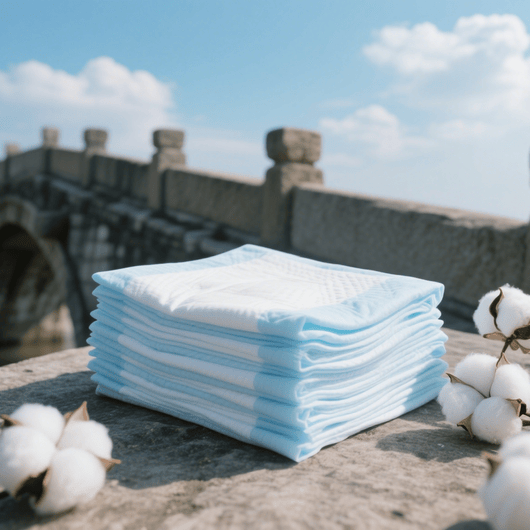
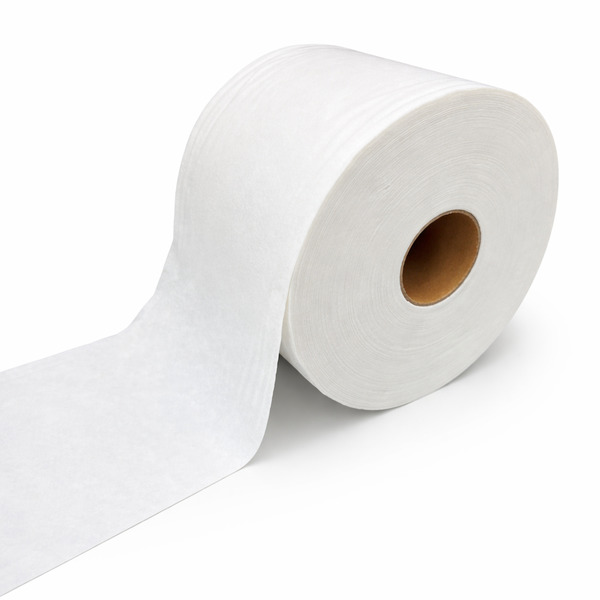
Breathable Cotton Nonwoven Fabric is a soft and lightweight material made without traditional weaving or knitting. Instead of using yarns woven together, cotton fibers are bonded through advanced spunlace hydroentanglement technology. This creates a fabric that allows air and moisture to pass through more naturally while still maintaining strength, softness, and absorbency.
In simple terms, it is a material designed to feel more comfortable during use. It stays softer against the skin, dries faster, and reduces the heavy or stuffy feeling common in low-quality nonwoven products.
Today, breathable cotton nonwoven materials are widely used in wet wipes, facial cleansing products, medical disposables, baby care items, and household cleaning wipes because modern consumers care more about comfort, cleanliness, and skin feel than ever before.
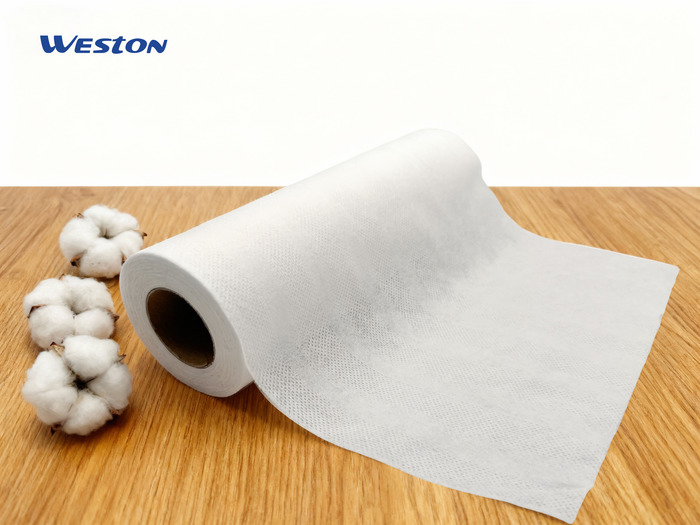
Many buyers focus first on price, thickness, or GSM when sourcing nonwoven fabric. But end users rarely judge a product by GSM alone. What they actually notice is how the product feels during use.
A wipe that feels overly dense or plastic-like immediately lowers the perceived quality of the product. On the other hand, a breathable wipe feels softer, fresher, and cleaner.
This is why more brands are now shifting toward higher-quality Breathable Cotton Nonwoven Fabric instead of basic thermal bonded materials.
Breathability directly affects:
For wipes and personal care products, airflow is no longer just an extra feature. It has become part of the product’s core quality.
The performance of a nonwoven fabric depends heavily on how the fibers are arranged and bonded together.
In spunlace production, high-pressure water jets entangle fibers into a stable fabric structure. Unlike heavily heat-bonded materials, spunlace technology keeps the fabric more open and flexible.
This open fiber structure creates small spaces between fibers where air can circulate more freely.
Cotton fibers also naturally improve softness and moisture absorption. When combined with spunlace processing, the result is a material that feels softer and more breathable during real-world use.
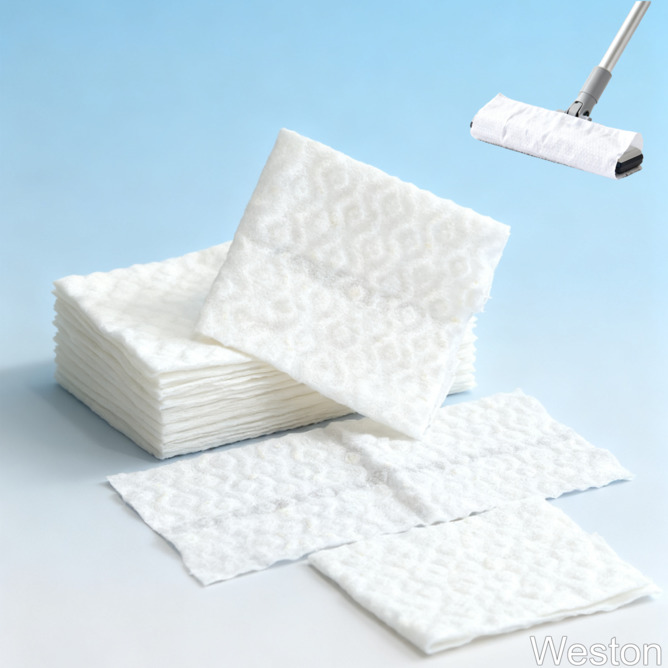
Manufacturers may also add embossed patterns, mesh textures, or perforated designs to further improve airflow and wiping performance.
The goal is not simply to make the fabric thinner. The goal is to balance:
Breathability
Strength
Absorbency
Softness
Low lint performance
That balance is what separates premium spunlace materials from commodity nonwoven fabrics.
One reason Breathable Cotton Nonwoven Fabric has grown rapidly is because it works well across many industries.
In personal care products, breathable spunlace fabrics help create softer and more comfortable wipes. Consumers immediately notice whether a wipe feels fresh or sticky during use.
Common applications include:
Baby wipes
Makeup remover wipes
Facial cleansing cloths
Feminine hygiene products
Disposable salon towels
In beauty and skincare applications, airflow becomes even more important because the material stays in direct contact with sensitive skin.
Breathable cotton nonwoven materials are also widely used in household cleaning products. A well-designed spunlace structure distributes liquid more evenly and improves dirt pickup performance.
This makes the material suitable for:
For buyers building premium wipe brands, fabric performance often matters more than adding extra lotion or fragrance.
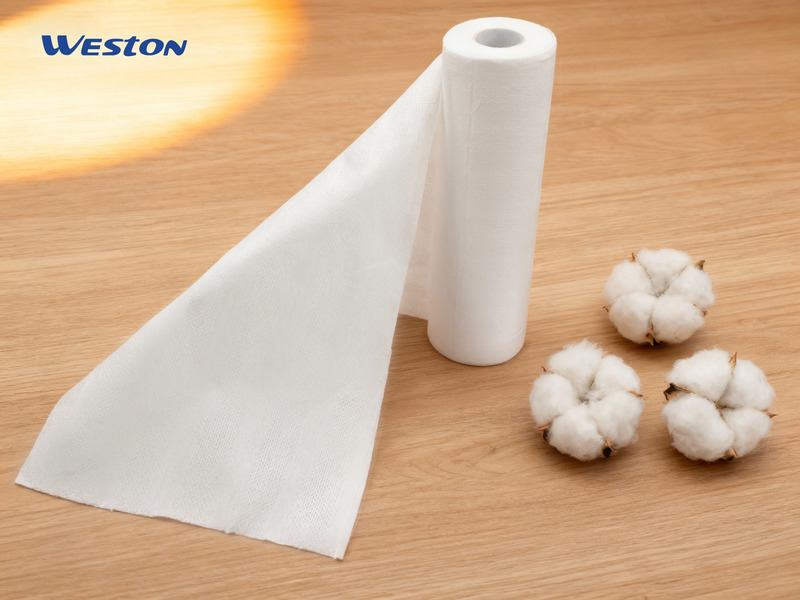
Not all nonwoven fabrics perform the same way.
Some low-cost materials rely mainly on thermal bonding. These fabrics are often cheaper to produce, but they can feel stiff, dense, and less breathable.
Consumers frequently describe these materials as having a synthetic or plastic feeling.
Spunlace technology works differently. By using high-pressure water instead of aggressive heat bonding, the fabric maintains a softer and more natural texture.
This improves:
Air permeability
Surface softness
Wet strength
Flexibility
Low lint performance
For wipes, skincare products, and medical applications, spunlace nonwoven fabric is often considered a higher-end solution because the user experience feels noticeably better.
Many sourcing problems do not appear immediately during sampling. They appear later during converting, filling, or final consumer use.
For this reason, buyers should evaluate more than just price.
A reliable wipes supplier should provide stable wet strength performance. Some low-grade fabrics feel acceptable when dry but quickly lose structure after absorbing liquid.
Low lint performance is also critical, especially for cosmetic wipes, medical products, and electronic cleaning applications.
Consistency between production batches matters as well. Poor consistency can create converting problems, unstable absorbency, and uneven wiping performance.
Professional spunlace factories usually focus on controlling:
These details may not always appear on a specification sheet, but they strongly affect the final product quality.
For brands developing premium wipes and personal care products, working with an experienced spunlace factory can simplify sourcing and improve long-term product stability.
Weston Manufacturing focuses on spunlace nonwoven production for wipes, cleaning products, beauty care materials, and disposable applications. The factory places strong attention on balancing softness, airflow, absorbency, and durability instead of simply increasing fabric thickness.
This development approach helps create Breathable Cotton Nonwoven Fabric solutions that feel cleaner, lighter, and more comfortable during use.
As an experienced wipes supplier, Weston Manufacturing also supports customized fabric textures, embossed patterns, roll specifications, and application-based material development for different global markets.
For many buyers, the real challenge is not finding nonwoven fabric. The real challenge is finding stable quality that continues performing well after large-scale production begins.
That is where long-term manufacturing experience becomes important.
Consumer expectations are changing quickly.
Years ago, many products competed mainly through lower pricing and thicker materials. Today, consumers care more about comfort, skin feel, cleanliness, and overall product experience.
This shift is pushing more brands toward engineered Breathable Cotton Nonwoven Fabric instead of traditional dense nonwoven materials.
In many applications, better airflow now directly influences how premium a product feels.
For buyers and product developers, understanding breathability is no longer optional. It has become an important part of product positioning, user satisfaction, and long-term brand value.
WESTON
Privacy Policy | SiteMap
Copyright WESTON