- Email: [email protected]


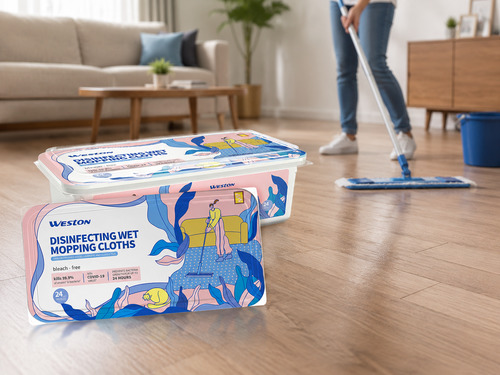
Disinfecting wipes can be safe on laminate floors, but only in limited, careful use. The key is not the wipe itself—it is the formula, the amount of liquid, and how well the floor is sealed. In practice, laminate does best with light moisture and gentle cleaning, while harsh chemicals and excess water are what usually cause trouble.
Yes, some disinfecting wipes can be used on laminate floors, but they should be used sparingly. Laminate has a protective top layer, and that layer can be damaged if a wipe leaves the surface too wet or if the product is too aggressive. For everyday cleaning, a microfiber mop or a lightly damp cloth is usually the safer choice.
Laminate looks tough, but it is more sensitive than many people think. Its surface can handle normal wiping, yet the edges and seams can be vulnerable to moisture. Once liquid gets into those gaps, the floor may swell, stain, or lose its finish over time. That is why “safe to use” never means “safe to soak.”
Use only as much liquid as needed.
Avoid repeated scrubbing in one spot.
Check the product label before using any wipe.
Dry the floor if it feels damp after cleaning.
A practical rule from home-care guidance is simple: laminate should be cleaned damp, not wet. Many flooring guides recommend pH-neutral or laminate-specific cleaners, and they also warn against standing water on the surface. In other words, the safest method is not the strongest disinfectant—it is the one that controls moisture and protects the finish.
For light touch-ups, wipes can be useful. For full-floor cleaning, they are often less efficient than a microfiber mop. That is because wipes work best on small spots, while mops spread cleaner more evenly without soaking the floor.
There are situations where disinfecting wipes are a practical option. If a spill is sticky, if a small area needs quick cleanup, or if you want a fast wipe-down in a busy household, a compatible wipe can save time. This is especially true on sealed laminate floors, where the finish is intact and the wipe is used lightly.
A good example: if a pet tracks muddy paw prints across one corner of the room, a wipe can handle that spot quickly. But if you use wipes across the whole floor every day, you are more likely to wear down the surface over time.
Disinfecting wipes are a poor choice when the laminate already has lifting seams, scratches, or visible wear. They are also a bad fit if the wipe leaves streaks, residue, or excess moisture behind. Strong formulas, heavy scrubbing, and repeated use in high-traffic areas can all shorten the life of the floor.
That is why the safest rule is simple: clean first, disinfect only when needed. Everyday dust and grit are usually better handled with sweeping or vacuuming, because particles on the floor can scratch the finish before disinfecting even becomes the issue.
A sensible laminate-floor routine is easy to remember:
This approach keeps the floor cleaner without pushing too much moisture into the material. It also makes more sense for long-term maintenance than relying on a wipe for everything.

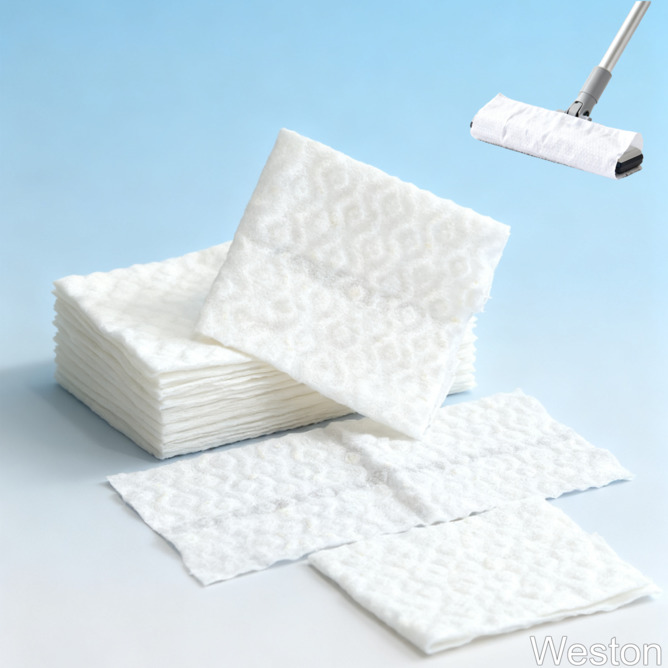
For brands and cleaning product teams, consistency matters just as much as cleaning power. That is where Disinfecting Floor Wipes, Static Embossed Floor Wipes, and a Disinfectant Wipes Manufacturer like Weston Manufacturing can fit into the picture, especially when product performance, texture, and controlled moisture are part of the design. Mentioning the product side here is enough; the main point remains that good floor care starts with the right method, not the harshest formula.
In the end, laminate flooring responds best to restraint. If a wipe is used lightly and correctly, it can be part of a safe routine. If not, the floor pays the price first.
WESTON
Privacy Policy | SiteMap
Copyright WESTON