- Email: [email protected]


Before a surgeon makes the first incision, something quiet and unglamorous has already done important work — a cloth, a chemical, and a few minutes of your time the night before.
Your skin is never truly clean. At any given moment, its surface hosts hundreds of millions of bacteria—mostly harmless microorganisms that coexist with us throughout life. Under normal circumstances, the skin acts as a highly effective barrier, preventing these microbes from entering deeper tissues.
However, surgery changes that reality. The moment a surgical incision is made, bacteria that normally remain harmless on the skin surface gain potential access to tissues, joints, implants, and even the bloodstream. When contamination occurs, the result may be a Surgical Site Infection (SSI)—one of the most preventable yet potentially serious complications in modern healthcare.
This is why hospitals, surgeons, and infection-control specialists place significant emphasis on skin preparation before surgery. Among the most important tools used in this process are Surgical Prep Wipes, a product many patients only encounter shortly before an operation.
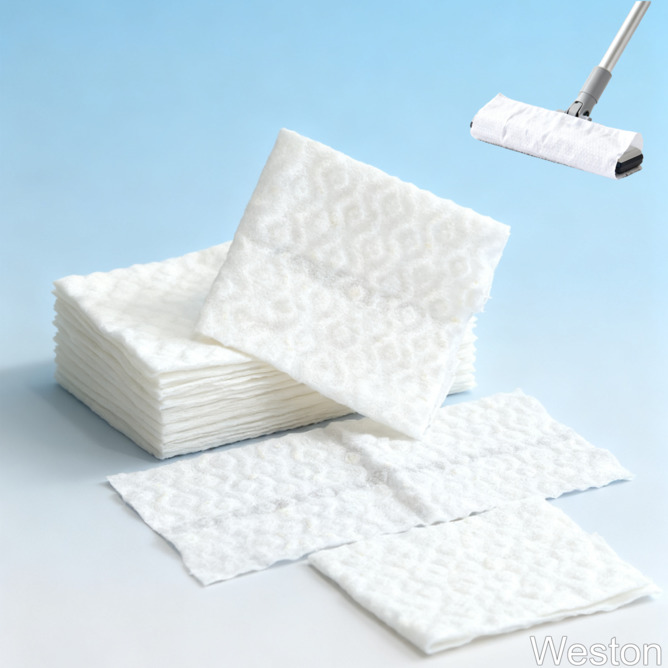
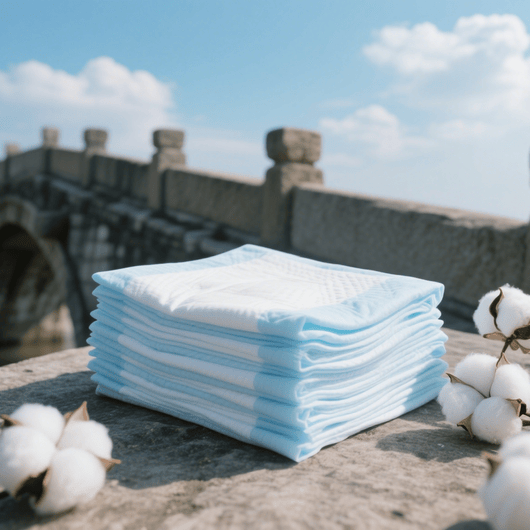
A Surgical Prep Wipe is a nonwoven cloth saturated with an antiseptic solution, most commonly 2% Chlorhexidine Gluconate (CHG).
These wipes are:
Pre-moistened
Soft and lint-free
Designed for patient use before surgery
Intended to reduce bacterial populations on the skin
Unlike cosmetic wipes, hand wipes, or standard alcohol swabs, surgical prep wipes are specifically engineered for preoperative infection prevention.
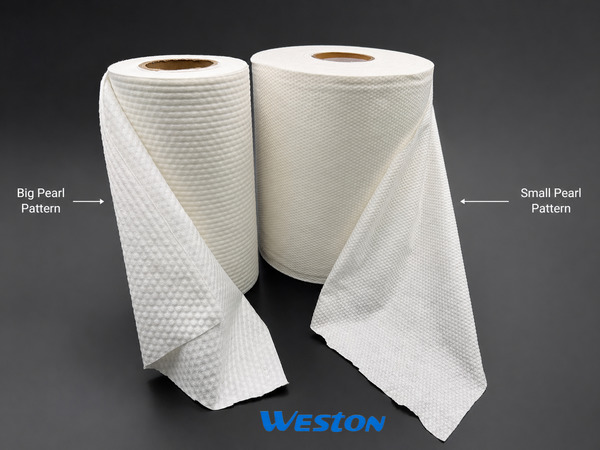
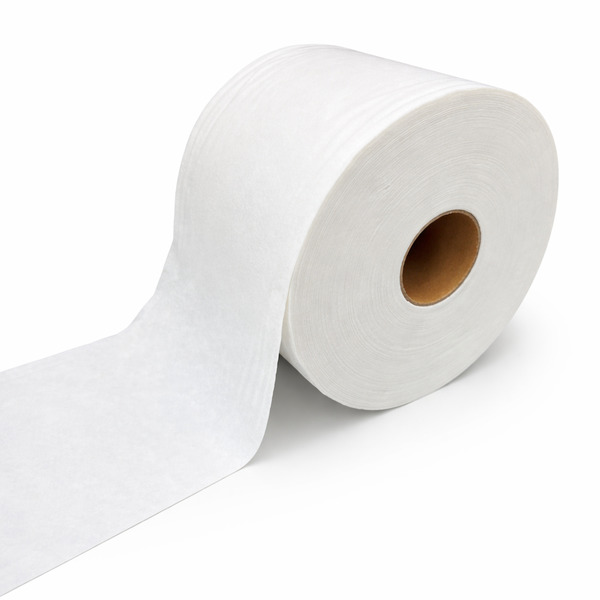
The nonwoven substrate itself plays a critical role. Unlike traditional woven fabrics, Spunlace Nonwoven Fabric is manufactured by entangling fibers through high-pressure water jets, creating a material with:
Controlled absorbency
Excellent softness
Low lint generation
Consistent fluid release
The fabric must hold sufficient antiseptic solution while releasing it evenly onto the skin surface during use. Achieving this balance requires careful material engineering.
The active ingredient, Chlorhexidine Gluconate (CHG), has been widely used in healthcare since the 1950s and remains a gold standard for preoperative skin antisepsis. When CHG is not appropriate, Povidone-Iodine (Betadine) is commonly used as an alternative.
No prep product eliminates all microbes. The goal is reduction, not sterilization—and in surgery, reduction is everything.
CHG works by attacking bacterial cell membranes.
Because CHG molecules carry a positive charge while bacterial cell surfaces are negatively charged, the antiseptic is naturally attracted to bacteria. Once contact occurs, CHG disrupts the bacterial membrane, causing cellular contents to leak and ultimately resulting in cell death.
CHG is effective against:
Gram-positive bacteria
Gram-negative bacteria
Many yeast species
Staphylococcus aureus, one of the leading causes of surgical site infections
One of CHG’s most valuable characteristics is its residual activity.
After drying, CHG binds to proteins within the skin, particularly keratin. This allows the antiseptic to continue suppressing bacterial growth for several hours after application.
Benefits include:
Long-lasting antimicrobial protection
Continued bacterial reduction after drying
Protection that extends into the surgical period
By contrast, alcohol-based antiseptics kill rapidly but provide no ongoing protection once evaporated.
This residual effect is one of the primary reasons CHG-based prep wipes have become standard practice in many surgical protocols.
Many hospitals now require patients to perform preoperative skin preparation at home before surgery.
This is especially common for:
Orthopedic surgery
Cardiac surgery
Joint replacement procedures
Implant-related operations
Patients are generally advised to:
Shower or bathe normally.
Dry the skin completely.
Apply the CHG Surgical Prep Wipe to the designated surgical area.
Allow the skin to air dry.
Do not rinse afterward.
The instruction not to rinse is particularly important because rinsing removes the CHG residue that provides ongoing antimicrobial protection.
Patients are also commonly advised to:
Avoid lotions or moisturizers after application.
Avoid oils and cosmetic products.
Avoid shaving the surgical site.
Keep wipes away from eyes, ears, mouth, and other mucous membranes.
Proper compliance significantly affects effectiveness. Even the best antiseptic system can only perform as intended when used correctly.
Research consistently demonstrates that CHG Prep Wipes significantly reduce bacterial counts on the skin when compared with soap-and-water cleansing alone.
Clinical studies show:
Lower bacterial colony counts before surgery
Consistent antimicrobial performance across patient groups
Improved skin antisepsis compared with conventional washing
The relationship between bacterial reduction and actual infection reduction is more complex.

The strongest benefits are generally observed in:
Joint replacements
Cardiac bypass surgery
Spinal fusion procedures
Implant-based surgeries
In these situations, even a small reduction in bacterial contamination can substantially lower infection risks because implants provide surfaces where bacteria can establish persistent infections.
As a result, leading infection-control organizations widely recognize CHG Preoperative Skin Preparation as a low-risk, cost-effective component of comprehensive infection prevention programs.
A Surgical Prep Wipe is only as effective as the substrate carrying the antiseptic solution.
The nonwoven material must deliver several critical performance characteristics:
Softness for patient comfort
Wet strength during use
High absorbency for solution retention
Controlled release of antiseptic
Low lint generation
Chemical compatibility with CHG
Long-term storage stability
Different fiber types offer distinct advantages.
100% Viscose Spunlace Nonwoven provides:
Excellent absorbency
Exceptional softness
Efficient liquid distribution
These properties make it one of the most widely used materials in wet wipe applications.
Cotton Spunlace Nonwoven offers:
Natural feel
High absorbency
Excellent skin compatibility
It is often selected for premium medical and personal care products.
Lyocell Nonwoven Fabric combines:
High strength
Soft hand feel
Sustainable production methods
Its environmental profile has increased its popularity in healthcare and hygiene products.
Bamboo Fiber Nonwoven Fabric delivers:
Natural softness
Strong absorbency
Renewable sourcing benefits
Its comfort characteristics make it particularly suitable for sensitive skin applications.
PLA Nonwoven Fabric is derived from renewable resources such as corn starch or sugarcane and provides:
Biodegradability
Reduced environmental impact
Suitable performance for disposable applications
In medical wipes, fiber selection is only part of the equation.
Specialized treatments can further enhance performance:
Improves:
Liquid absorption
Uniform CHG distribution
Skin coverage consistency
Used when:
Fluid penetration must be minimized
Barrier performance is required
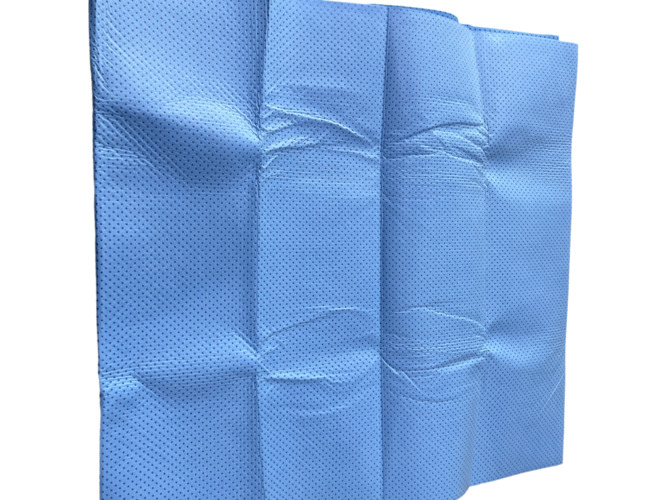
Common in surgical drapes and protective medical packaging.
Can enhance microbial resistance within the substrate itself.
Improves patient comfort and may increase compliance with preoperative protocols.
Weston Manufacturing has more than 20 years of experience manufacturing Spunlace Nonwoven Fabrics for medical, hygiene, and personal care applications.
The company produces a wide range of sustainable and performance-engineered substrates, including:
100% Viscose Spunlace
100% Cotton Spunlace
Bamboo Fiber Spunlace
Bamboo Charcoal Spunlace
Lyocell Spunlace
PLA Spunlace
These materials can be customized with:
Hydrophilic treatments
Hydrophobic treatments
Antibacterial finishes
Enhanced softness technologies
Among medical applications, Surgical Prep Wipes represent one of the most technically demanding product categories.
The substrate must provide:
Weston’s expertise in plant-based and regenerated cellulose fibers enables the development of substrates specifically tailored to these requirements.
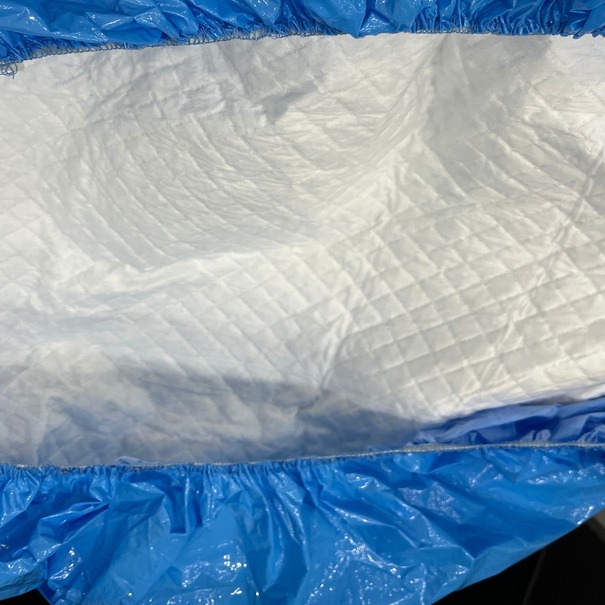
In addition to wipe substrates, Weston manufactures Medical Parts Packaging Laminated Nonwoven materials designed for:
Sterile medical device packaging
Barrier protection
Peel-open functionality
Gamma sterilization compatibility
Ethylene oxide (EO) sterilization compatibility
These laminated nonwoven structures help maintain sterility during storage and transportation while supporting modern healthcare packaging requirements.
Although uncommon, CHG allergies can occur.
Possible reactions include:
Contact dermatitis
Skin irritation
Rare cases of anaphylaxis
Patients with known CHG sensitivity should inform their surgical team before receiving prep wipes.
When CHG cannot be used, Povidone-Iodine is often recommended.
Advantages:
Broad-spectrum antimicrobial activity
Limitations:
No residual antimicrobial effect after drying
Unsuitable for some patients with iodine sensitivity or thyroid-related concerns
It is important to understand that Surgical Prep Wipes do not sterilize the skin.
Their purpose is to:
Significantly reduce bacterial populations
Lower infection risk
Support broader infection-control strategies
Successful surgical infection prevention still depends on:
Sterile surgical technique
Appropriate antibiotic prophylaxis
Proper wound care
Effective postoperative management
Prep wipes are one important layer within a much larger system.
Surgery may be described as routine, but every successful procedure depends on countless preventative measures that occur before the first incision.
A Surgical Prep Wipe may appear simple—a piece of engineered nonwoven fabric saturated with an antiseptic solution—but behind that simplicity lies decades of microbiology, materials science, and clinical research.
By combining advanced Spunlace Nonwoven Fabric technology with proven antiseptic chemistry, these wipes help reduce infection risks and contribute to safer surgical outcomes.
For patients, the takeaway is straightforward: if your healthcare provider instructs you to use CHG Surgical Prep Wipes, follow the protocol exactly. The small effort required today may help prevent a much larger problem tomorrow.
WESTON
Privacy Policy | SiteMap
Copyright WESTON