- Email: [email protected]


“Biodegradable” sounds reassuring—use it once, throw it away, and let nature handle the rest. But when it comes to disposable sheets, the reality is more nuanced. Some materials truly break down under the right conditions. Others only degrade on paper, or worse, fragment into microplastics.
Understanding biodegradability means looking beyond the label and examining materials, processing, and disposal conditions together.

Most disposable sheets fall into three material categories:
Cellulose-based fibers such as cotton, bamboo viscose, wood pulp, and hemp come from plants and can genuinely biodegrade. Under composting conditions with heat, moisture, and microbial activity, they may break down within months. However, dyes, water repellents, and antimicrobial finishes often slow this process dramatically.
Synthetic nonwovens, especially polypropylene, are widely used for cost and durability. Standard versions persist for centuries. Even so-called “biodegradable” plastics often fragment into microplastics rather than fully decomposing.
Plant-based polymers like PLA (from corn or sugarcane) sound eco-friendly, but they require industrial composting at high temperatures. In landfills or home compost, they remain largely intact and may never fully biodegrade.
Biodegradability tests are typically conducted in controlled environments—warm temperatures, ideal moisture, and active microbes. In those conditions, natural fibers can degrade quickly.
Real-world disposal is different. Landfills are cooler, drier, and low in oxygen. Under these conditions, even natural fibers degrade slowly and may contribute to methane emissions rather than clean decomposition. In short: a material’s potential to biodegrade matters far less than where it actually ends up.
Raw cellulose biodegrades easily. Finished disposable sheets usually don’t use raw fibers.
Chemical treatments—bleaching, dyeing, water resistance, antimicrobial coatings—alter fiber surfaces and block microbial access. A heavily processed “100% natural” sheet may degrade more slowly than an untreated one. This processing paradox explains why material origin alone doesn’t guarantee sustainability.
Untreated Cotton: Biodegrades reliably, but rare in disposable formats and resource-intensive to produce.
Bamboo Viscose: Soft and absorbent, biodegrades under moist conditions, but chemical processing has environmental costs.
Wood Pulp Nonwovens: Cost-efficient, highly absorbent, cellulose-based, and compatible with biodegradation when minimally treated.
Biodegradable Plastics: Variable results, risk of microplastic formation.
Conventional Synthetics: Durable and affordable, but no meaningful biodegradation.
Industrial composting facilities (55–70°C, controlled moisture) enable real biodegradation of cellulose-based sheets. Unfortunately, access remains limited. Most disposable sheets still end up in landfills, where biodegradation slows dramatically.
Without proper infrastructure, “biodegradable” often just means “slower to disappear.”
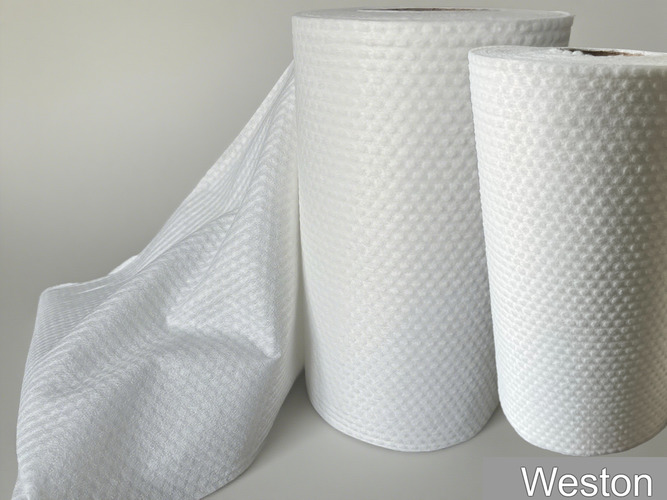
Some manufacturers are addressing the problem at the processing stage, not just the raw material stage.
Using spunlace technology, companies like Weston Manufacturing produce Eco Friendly Disposable Bed Sheets from cellulose blends—including viscose, cotton, bamboo, and wood pulp—bonded by high-pressure water jets rather than chemical adhesives. This reduces the need for binders and coatings that typically hinder biodegradation.
Wood pulp–based spunlace sheets, in particular, offer a practical balance of absorbency, strength, cost efficiency, and environmental performance, making them suitable for medical, hospitality, and hygiene applications where single-use products are unavoidable.
Look beyond “biodegradable” claims—check the material and processing method
Favor cellulose-based sheets with minimal finishes
Verify third-party certifications where possible
Match the product to real disposal options in your region
Disposable sheets can biodegrade—but only under the right conditions. Until composting infrastructure becomes widespread, the most responsible choice is informed selection: better materials, cleaner processing, and honest expectations.
WESTON
Privacy Policy | SiteMap
Copyright WESTON