- Email: [email protected]


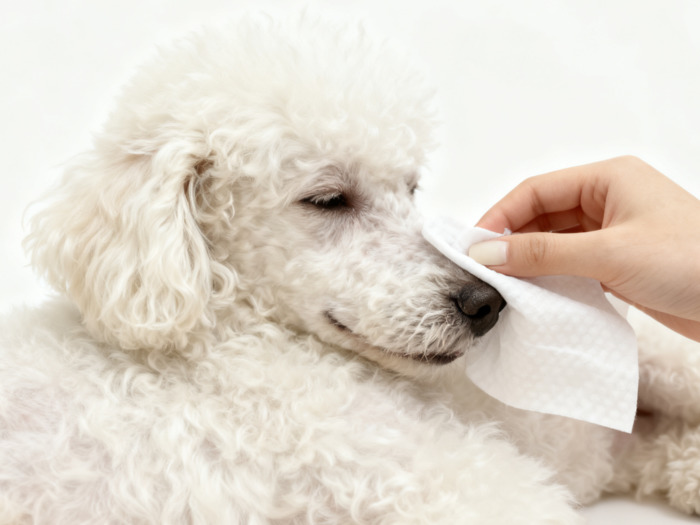
Dog tear stains are the reddish-brown marks you see under a dog’s eyes. They form when tears overflow and stay on the fur. Over time, pigments called porphyrins react with air and create visible discoloration.
Light-colored dogs show stains more clearly. Breeds like Maltese, Shih Tzu, and Poodles are often affected. But any dog can develop them.
Tear stains are not just a “dirty face” issue. They often point to how the eye, skin, and environment interact.
Yes, allergies can contribute. But they are rarely the only cause.
Allergies increase tear production. More tears mean more moisture on the fur. That raises the chance of staining.
It is important to separate cause from trigger. Allergies often act as a trigger, not the root problem.
Allergens like pollen, dust, and mold irritate the eyes. The body responds by producing more tears. When the tear system cannot drain fast enough, tears spill over.
Allergic reactions can cause mild swelling. This may narrow or block tear ducts. Tears then stay on the surface instead of draining properly.
Constant moisture creates a warm environment. Bacteria and yeast grow easily. This can darken stains and cause odor.
Tear stains are often multi-factorial. Ignoring other causes leads to poor results.
Blocked tear ducts: Common in small breeds
Facial structure: Flat-faced dogs have shallow eye sockets
Diet sensitivities: Low-quality ingredients may increase inflammation
Water quality: High mineral content may worsen staining
Eye conditions: Infections or ingrown eyelashes
Poor grooming: Wet fur left untreated
Frequent pawing at the face
Red or watery eyes
Seasonal changes in symptoms
Ear infections or itchy skin
Stains present since puppyhood
No seasonal pattern
No itching or skin issues
A careful observation over time is more reliable than quick assumptions.

Many owners try multiple products without results. This often happens because the cause is unclear.
A veterinarian can help identify the problem through:
Eye examination
Tear duct testing
Allergy evaluation
Treating symptoms without diagnosis often leads to temporary improvement only.
| Factor | Typical Signs | Long-Term Risk | Practical Solution |
| Allergies | Red eyes, itching, seasonal flare-ups | Chronic tearing | Reduce allergens, adjust diet |
| Blocked Tear Ducts | Constant overflow, no itching | Persistent staining | Vet flushing or management |
| Poor Hygiene | Odor, visible residue | Bacterial growth | Daily cleaning routine |
| Diet Sensitivity | Skin issues, dull coat | Inflammation | Improve ingredient quality |
| Eye Conditions | Discharge, discomfort | Infection risk | Medical treatment |
This comparison helps narrow down the real cause instead of relying on trial and error.
Keep bedding clean
Reduce dust and pollen exposure
Consider hypoallergenic diets
Use vet-approved treatments when needed
Regular monitoring
Professional cleaning if needed
Accept that full removal may not be possible
Consistency is more important than complexity.
Clean the eye area daily
Keep fur dry and trimmed
Use gentle materials
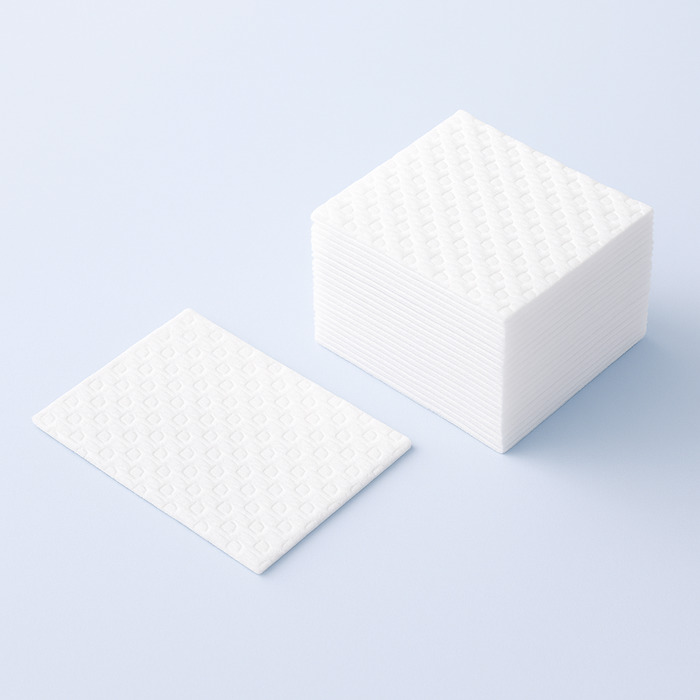
This is where product choice matters. Soft, low-lint materials reduce irritation. For example, Hypoallergenic Tear Stain Pads made from high-quality nonwoven fabric can support daily care without adding friction.
Reliable sourcing also matters for brands and distributors. Working with a Professional Cleaning Wipes Exporter ensures consistent material quality and safety standards.
Using harsh chemicals near the eyes
Switching products too often
Ignoring underlying health issues
Expecting instant results
Tear stain control takes time. Quick fixes rarely last.
Tear stains are not always fully preventable. In many cases, they can only be managed.
The most effective approach is simple:
Identify the main cause
Reduce triggers
Maintain daily care
No single product solves everything. But the right combination of diagnosis, routine, and materials leads to visible improvement.
For brands and pet care businesses, this is also where manufacturing quality plays a role. Weston Manufacturing focuses on stable, skin-safe nonwoven solutions designed for sensitive applications. This supports consistent performance in daily-use products without overpromising results.

WESTON
Privacy Policy | SiteMap
Copyright WESTON