- Email: [email protected]


Exfoliation is one of the most talked-about steps in modern skincare. Many people want smoother skin, clearer pores, and a brighter appearance. Because of this, exfoliating pads have become a popular product in everyday routines.
But an important question remains: are exfoliating pads actually good for your face?
The answer depends on how they work, how often they are used, and what materials they are made from. When used correctly, exfoliating pads can support healthy skin renewal. When overused or poorly designed, they can irritate the skin barrier.
Understanding the basics helps people use them in a smarter and safer way.
Human skin naturally renews itself. New cells form in the deeper layers and gradually move upward. Over time, old cells reach the surface and eventually shed.
In reality, this process is not always perfect.
Dead cells can accumulate on the outer layer of the skin. When that happens, several visible changes may appear:
the skin surface looks dull
pores appear more noticeable
texture feels rough
skincare products absorb unevenly
Exfoliation helps remove some of this buildup. It does not “fix” the skin permanently, but it can help the natural renewal process move more smoothly.
Exfoliating pads are designed to make this step easier and more controlled.
Traditional exfoliation methods include scrubs, peeling gels, or chemical masks. These products can work well, but they often require careful application.
Pads simplify the process.
Each pad already contains a measured amount of liquid or active ingredients. A user simply wipes the skin gently for a few seconds.
This convenience is one reason exfoliating pads have become common in both skincare routines and professional facial treatments.
Another advantage is consistency. When a pad is properly manufactured, the liquid distribution and texture remain stable from one piece to another.
This allows for more predictable results compared with loose cotton or rough scrubs.
Most exfoliating pads rely on one of two mechanisms: physical exfoliation or chemical exfoliation.
Physical exfoliating pads remove dead cells through gentle friction.
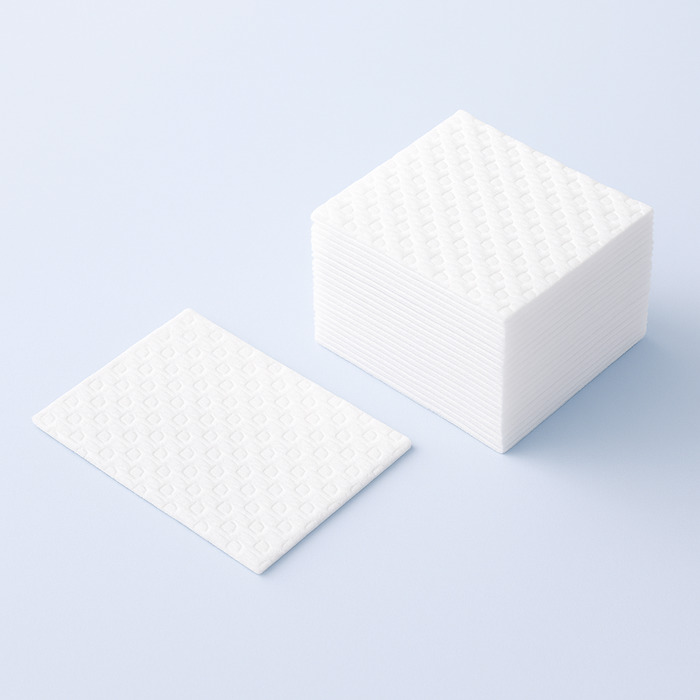
This usually comes from the pad structure itself. Many pads include:
These textures help loosen dead cells during wiping.
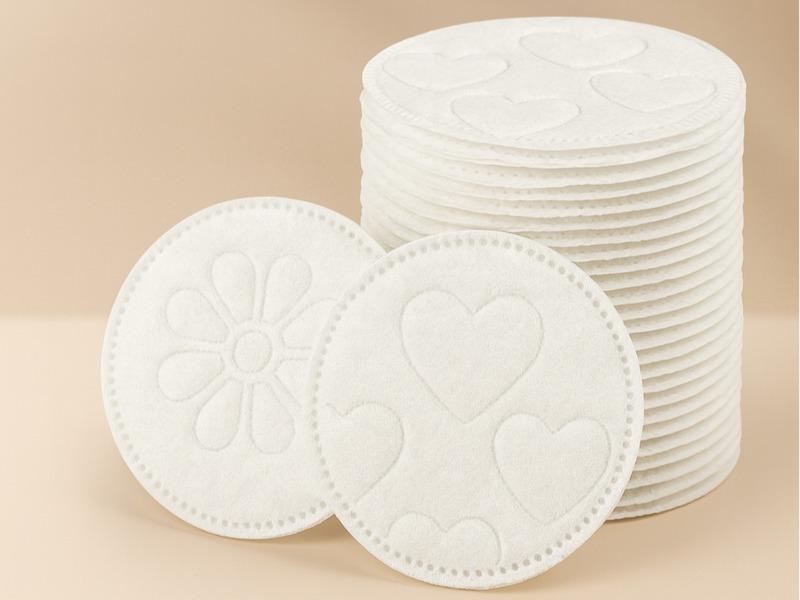
Well-designed Exfoliating Toner Pads often combine a soft fiber layer with a slightly textured surface. This allows the pad to clean the skin without excessive rubbing.
However, pressure matters. If someone presses too hard or wipes repeatedly in the same area, irritation may occur.
Chemical exfoliating pads use active ingredients that dissolve the bonds between dead cells.
Common ingredients include:
These ingredients loosen the attachment between surface cells, allowing them to shed more easily.
Chemical exfoliation can be effective, but strength and frequency must be balanced. Overuse may weaken the skin barrier.
For this reason, many skincare professionals recommend combining mild formulas with gentle pad materials rather than relying on strong acids alone.

When people talk about exfoliating pads, they often focus only on the liquid formula. But the material of the pad itself plays an equally important role.
A good pad must do several things at once:
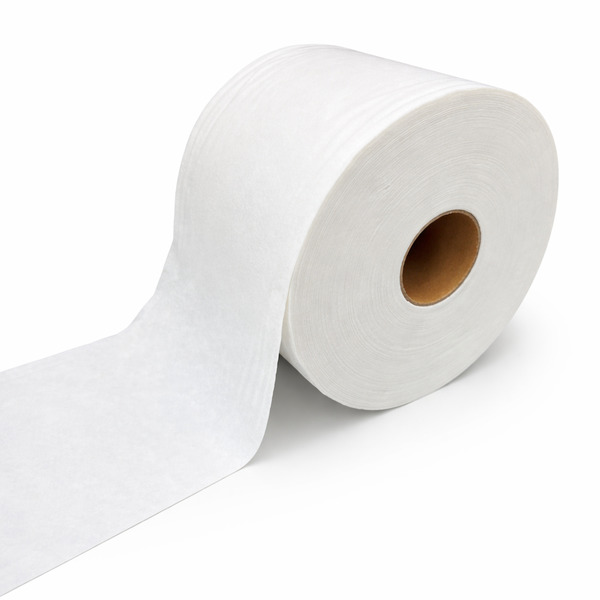
Many modern pads use hydroentangled nonwoven fabrics because they provide a balance of softness and durability.
High-quality Exfoliating Toner Pads are often produced with materials such as:
These fibers allow manufacturers to adjust absorbency, softness, and strength depending on the intended skincare use.
To increase cleansing ability, some pads also include lightly embossed or dotted surface patterns. These textures help lift residue, sunscreen, or makeup without scratching the skin.
The performance of a facial pad does not depend only on raw materials. Manufacturing control is equally critical.
When producing professional skincare pads, responsible factories pay attention to every stage of production.
For example, in the manufacturing process used by Weston, strict standards apply to multiple steps:
Each stage is inspected to ensure that the final pad remains consistent in thickness, texture, and cleanliness.
This layered quality control is important because facial products come into direct contact with delicate skin. Even small variations in fiber quality or cutting accuracy can affect user comfort.
One common misconception is that more exfoliation always produces better skin.
In reality, moderation works best.
A simple guideline is:
sensitive skin: once or twice per week
normal skin: two or three times per week
oily skin: every other day if tolerated
Daily exfoliation is usually unnecessary.
The skin barrier needs time to recover between treatments. Gentle routines often produce better long-term results than aggressive exfoliation.
When exfoliating pads are used appropriately, people often notice gradual improvements such as:
These changes typically appear slowly. Healthy skincare rarely produces instant dramatic results.
Consistency and mild care are more effective than strong treatments.
Exfoliation is helpful for many people, but not for every situation.
Pads should be avoided or used carefully if the skin shows:
In these cases, the skin often needs hydration and repair rather than exfoliation.
Exfoliating pads are not miracle products, but they can be useful tools when used correctly. They simplify exfoliation and help maintain a clean skin surface.
Much of their effectiveness depends on the quality of both the liquid formula and the pad material itself.
Modern Exfoliating Toner Pads made from carefully engineered nonwoven fabrics allow skincare brands to balance softness, absorption, and cleansing ability. Materials such as viscose polyester, bamboo fiber, cotton, PLA, and lyocell, combined with controlled surface textures and stable fabric weights, can improve the comfort and consistency of daily skincare use.
Behind many of these pads are specialized manufacturers who focus on fiber selection, hydroentangled production, and precise converting processes. Companies like Weston Manufacturing emphasize strict control of raw materials, production environments, and cutting processes to ensure each pad meets professional skincare standards.
For consumers, the key takeaway is simple: exfoliation works best when it is gentle, balanced, and supported by well-designed materials.
WESTON
Privacy Policy | SiteMap
Copyright WESTON