- Email: [email protected]


Face wipes feel small, harmless, and almost too thin to matter. Most people use them without thinking twice — one wipe for sweat, another for sunscreen, maybe one more after a long workday. But as wipe usage grows worldwide, a simple question keeps popping up:
Are face wipes actually biodegradable?
It sounds like a yes-or-no question, but the truth is much more layered. To understand it, we have to take a clear, grounded look at what wipes are made of, how they break down, and what genuinely makes a wipe eco-friendly.
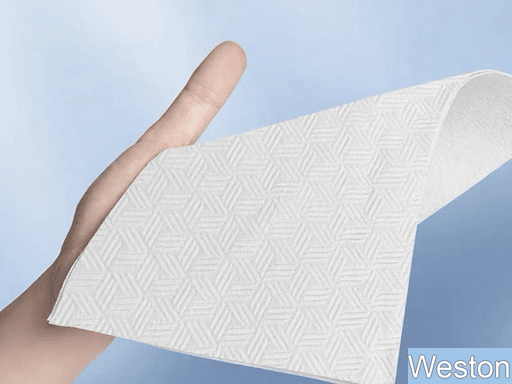
Most face wipes look and feel “natural.” They’re soft, smooth, and often advertised with green leaves, water droplets, or words like “gentle,” “pure,” or “simple.” But behind that soft touch, many wipes today are still made with synthetic fibers such as:
Polyester
Polypropylene
Polyethylene blends
These plastics make wipes strong and stretchy. They prevent tearing when wet and help wipes stay intact during use. That’s great for performance — not so great for nature.
On the other hand, some wipes are made using plant-based fibers like cotton, viscose, lyocell, or wood pulp. These materials come from renewable resources and can break down more easily if no plastics are blended into them.
Whether a wipe is biodegradable depends almost completely on its fiber composition.
These two words get mixed up all the time:
Biodegradable:
Material can break down naturally over time, but no one says how long “time” is. It could be months… or many years.
Compostable:
Breaks down in specific conditions — controlled moisture, temperature, oxygen — usually in commercial composting facilities.
A wipe can be labeled “biodegradable” and still take years to reduce in a landfill where oxygen and light are minimal. So labels alone don’t tell the full story.
Unfortunately, most common face wipes do not decompose quickly.
If they contain synthetic fibers, they don’t biodegrade at all — instead, they break into microplastic pieces that linger in soil and water.
Even wipes made entirely from plant fibers may not biodegrade well if they end up in landfills, where conditions are dry, compressed, and low in oxygen.
So the honest answer is:
Most “simple” face wipes are not truly biodegradable in real-world disposal environments.
Three things determine whether a wipe breaks down naturally:
It must be made from 100% plant-based fibers
Examples: cotton, bamboo, viscose, wood pulp, lyocell.
No polyester, no polypropylene, no plastic filaments hidden inside.
No synthetic binders or resin coatings
These chemical binders hold some wipes together but hinder decomposition.
A manufacturing process that avoids plastic reinforcement
Water-jet (spunlace) technology is commonly used to bond natural fibers without adding plastic support.
As more responsible manufacturers prioritize these elements, the market slowly shifts toward cleaner, plastic-free options.

You don’t need lab equipment — just basic observation:
Read the ingredients list
If you see polyester, polypropylene, or “PE/PET,” the wipe contains plastic.
Feel the elasticity
Plastic-based wipes feel springy; natural wipes tear more easily when stretched.
Water test
Natural fiber wipes soften and weaken quickly in water, while plastic wipes stay strong.
These aren’t scientific experiments — just practical, everyday checks that help you make smarter choices.
Choosing biodegradable materials isn’t a magic fix, but it does make a measurable difference:
Less long-term waste in landfills
Reduced microplastics entering waterways
Lower environmental load for families that rely heavily on wipes
Improved safety for sensitive ecosystems and marine life
It’s a meaningful step forward — especially when paired with responsible usage and proper waste handling.
Several producers are moving toward cleaner materials and more transparent fiber compositions.
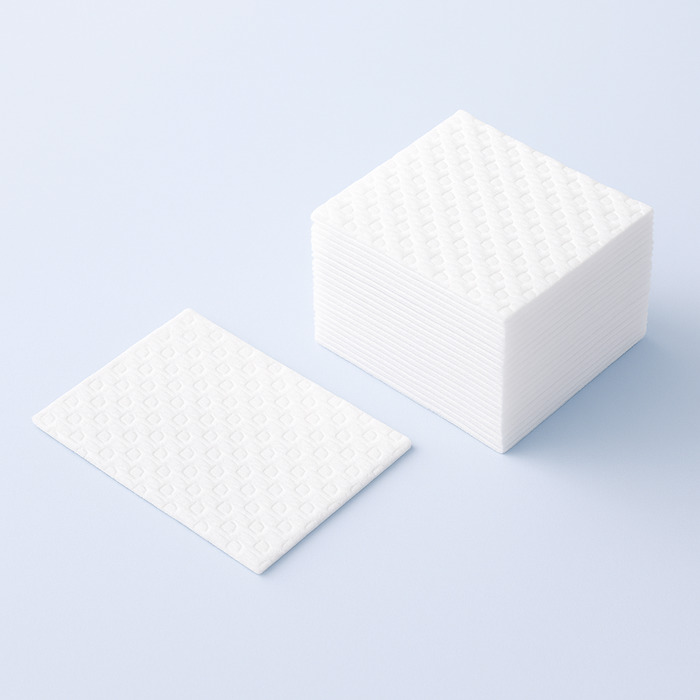
Factories like Weston Manufacturing focus on naturally derived, plastic-free nonwoven solutions — a direction many in the industry are beginning to follow.
Two examples of these modern materials include:
Luxury Lyocell Skin Care Perforated Roll
Embossed Facial Cleansing Wipes
These types of wipes rely on plant-based fibers such as lyocell or wood pulp, offering softness and strength without synthetic plastics. They also align with the rising demand for biodegradable skincare textiles.
No hype, no grand claims — just practical material science applied to everyday consumer products.
You don’t need to overhaul your entire routine to be more eco-aware. Start simple:
Choose wipes with clear material labeling
Prefer products made from 100% plant fibers
Avoid wipes that list polyester or polypropylene
Buy reasonable quantities instead of bulk hoarding
Support brands and manufacturers that disclose material composition transparently
Little steps matter, especially when they multiply across millions of households.
Face wipes won’t vanish from our lives anytime soon. They are convenient, hygienic, and widely used in skincare, travel, and daily routines. But convenience shouldn’t come at the cost of long-lasting pollution.
Biodegradable materials are not a trend — they are a necessary transition. As more manufacturers adopt cleaner fiber blends and more consumers pay attention to what they buy, the industry naturally shifts toward better standards.
Your choices help shape that shift.
And every environmentally conscious decision, no matter how small, quietly pushes the global market toward a more responsible future.

WESTON
Privacy Policy | SiteMap
Copyright WESTON