- Email: [email protected]


As the demand for convenience in personal hygiene products rises, many consumers are turning to flushable wipes as a modern alternative to traditional toilet paper. However, the pressing question remains: Are Weston flushable wipes really biodegradable? This inquiry invites us to explore the science behind biodegradability, the materials used in these wipes, and their overall environmental impact.
Biodegradability is the process by which organic substances are broken down by microorganisms into natural elements. For a product to be classified as biodegradable, it should decompose into non-toxic components within a reasonable timeframe when exposed to environmental conditions.

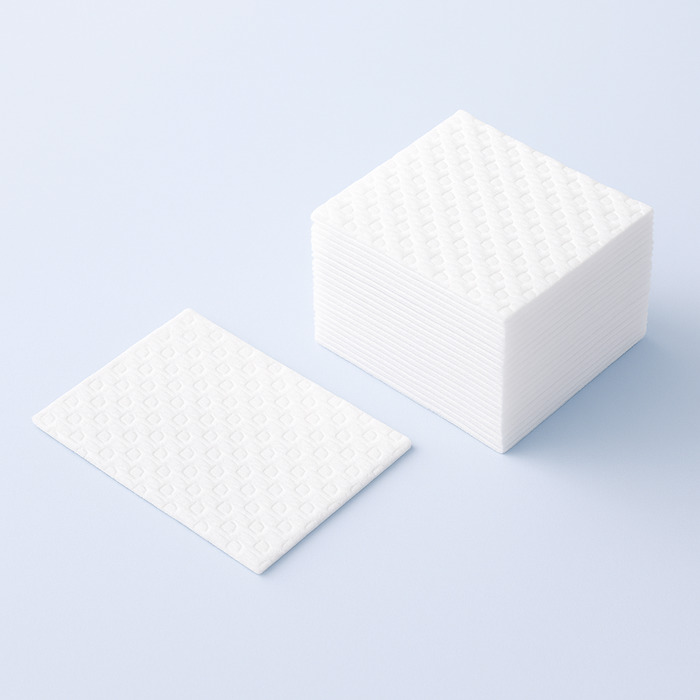
Weston flushable wipes are made from a blend of plant-based fibers and other biodegradable materials. This composition is designed to ensure that the wipes break down more rapidly than conventional wipes that often contain plastic. However, the effectiveness of biodegradation hinges on several factors:
Environmental Conditions: Biodegradation is influenced by temperature, moisture, and the presence of microorganisms. For instance, a landfill environment may slow down the decomposition process due to limited oxygen.
Quality of Materials: Higher-quality biodegradable materials tend to decompose more efficiently. Weston’s focus on utilizing advanced technology in their wipes enhances their breakdown properties.
Weston flushable wipes are engineered to dissolve in water, a crucial feature that aims to prevent plumbing issues while promoting environmental responsibility. However, the term “flushable” should not be equated with complete biodegradability.
To determine biodegradability, wipes undergo specific tests that assess their breakdown time. These evaluations measure how quickly materials decompose under various conditions. Weston flushable wipes have been tested to ensure they meet environmental standards, fostering consumer trust.
Reduction of Plastic Pollution: Traditional wipes often contain plastic fibers that can persist in the environment for decades. Biodegradable options can significantly lessen plastic waste.
Safety for Aquatic Life: Non-biodegradable wipes can end up in waterways, where they pose risks to marine ecosystems. Biodegradable wipes aim to minimize this environmental threat.
Convenience for Consumers: For families, particularly those with young children, biodegradable wipes offer a practical and hygienic cleaning solution without the environmental guilt.
Misleading Claims: Not all products labeled as “flushable” are genuinely biodegradable. Some may break down in water but still contain materials harmful to the environment.
Composting Limitations: While biodegradable wipes may decompose under ideal conditions, they are not always suitable for home composting, making proper disposal methods crucial.
Resource Consumption: Producing biodegradable wipes still requires resources. Sustainable sourcing and manufacturing practices are necessary to minimize their ecological footprint.
Weston Manufacturing has made significant strides in producing sustainable personal care products. Their commitment to using biodegradable materials reflects an awareness of environmental issues among consumers and manufacturers alike.
Weston’s dedication to sustainability extends beyond flushable wipes. The company is actively working to improve the lifecycle of its products, ensuring they are convenient and environmentally friendly.
To aid consumers in making informed decisions, Weston offers free samples of their products. Interested individuals can reach out via email at [email protected]. This initiative allows consumers to experience the benefits of biodegradable options firsthand.
When evaluating whether Weston flushable wipes are genuinely biodegradable, it is essential to consider multiple aspects—from material composition to environmental conditions. While these wipes offer a more sustainable option compared to traditional wipes, it is crucial for consumers to remain educated about the broader implications of flushable products.
In an era increasingly centered on sustainability, products like Weston’s flushable wipes for babies and flushable nonwovens for toilet wet wipes play a vital role in reducing waste. By understanding the intricacies of biodegradability, consumers can make informed choices that align with their values and contribute positively to the environment.

WESTON
Privacy Policy | SiteMap
Copyright WESTON