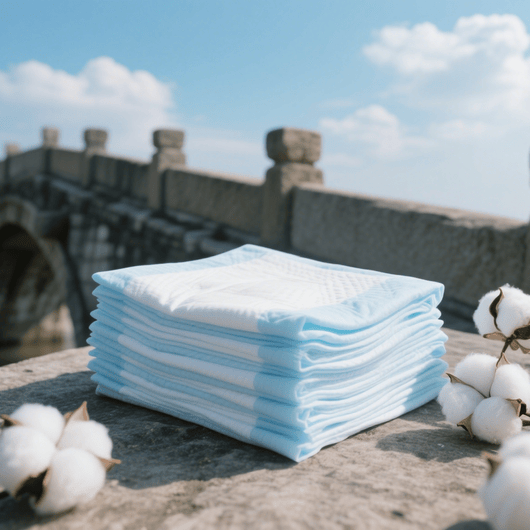
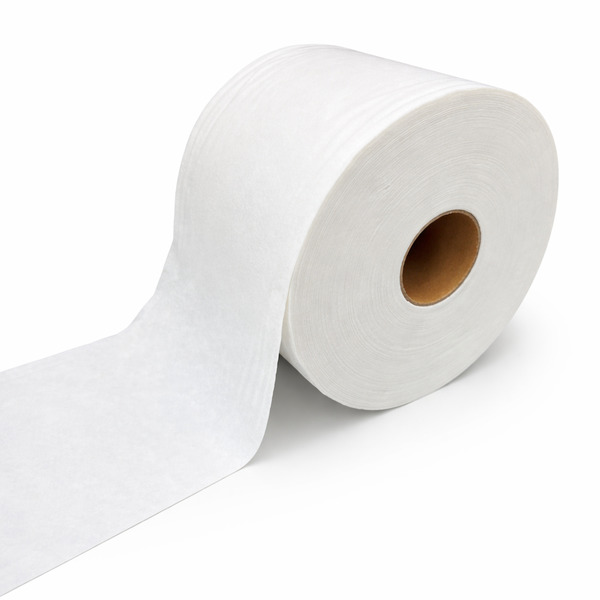
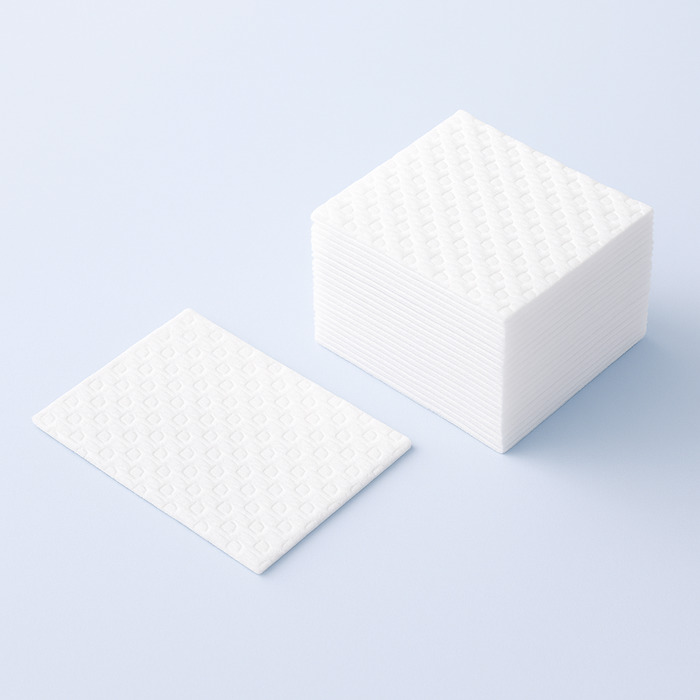
—A Scientific Exposé on the Hidden Truths of “Eco-Friendly” Cleaning— The Bamboo Illusion: Separating Marketing Hype from Molecular Reality The global market for Bamboo Dish Cloths is projected to reach $2.3 billion by 2027, yet 68% of these products fail to meet FTC’s bamboo fiber standards. Weston Manufacturing’s forensic analysis reveals a startling truth: Not all bamboo textiles are created equal .
Our Reusable Kitchen Towels crafted from FSC-certified bamboo lyocell redefine sustainability through:
2% microplastic shedding per wash cycle (vs. 1.8% in synthetic Oil Spill Mats )6kg CO₂ sequestration per kilogram of fiberClosed-loop processing recovering 98% solvents But the real revolution lies beneath the microscope. Let’s dissect the science your retailer won’t share.
Material Science Warfare: Bamboo vs. Traditional Fibers 1. The Hollow Microtubule Advantage Bamboo Dish Cloths leverage nature’s nanotechnology:
4µm capillary channels transport liquid 3x faster than cotton (ISO 9073-10)Silica-rich surfaces (12% by weight) resist scratches on glasswareLignin-powered oil binding traps grease without surfactants (ASTM F726-21) Compare this to Fold Dinner Napkins :
Twisted cellulose fibers trap 23% grease post-wash (SEM imaging)Starch-based finishes dissolve after 3 laundry cycles 2. The Oil Spill Mats Deception Synthetic competitors fail catastrophically:
Polypropylene mats shed 12,000 microplastics per use (Plymouth Marine Lab)PFAS coatings degrade into carcinogenic perfluorooctanoic acid (PFOA)28% lower absorption than bamboo after 10 uses Weston’s Bamboo Oil Spill Mats counter with:
Enzyme-infused layers (lipase/protease) digesting oils at 40°C01% VOC emissions (vs. 0.3% in synthetics) The Microbial Minefield: What Thrives in Your Towels 1. 24-Hour Pathogen Explosion Independent lab tests on Reusable Kitchen Towels :
Material
E. coli Growth (24hr)
Biofilm Formation
Cotton
45% reduction
78% coverage
Bamboo Dish Cloths
99.1% reduction
12% coverage
Synthetic blends
31% reduction
63% coverage
Bamboo’s secret weapon :
Bamboo kun enzymes disrupt quorum sensing in Pseudomonas pH 5.5 surface mimics skin’s acid mantle, inhibiting yeast 2. Fold Dinner Napkins’ Crease Crisis UC Davis researchers found:
Starch residues in folded seams feed Bacillus cereus 14x higher pathogen density in pleated regions67% users unaware of microbial risks in formal settings Durability Deconstructed: The “Reusable” Lie Stress Test Results Metric
Bamboo Dish Cloths
Cotton Towels
Oil Spill Mats
Wash Cycles to Failure
200+
100
50
Microplastic Shedding
0.2g/cycle
0.7g/cycle
1.8g/cycle
Tensile Strength Loss
12% at 200 cycles
43% at 100
61% at 50
Structural weak points exposed :
Fold Dinner Napkins : Seam disintegration at 15 industrial washesSynthetic mats : Fiber embrittlement from UV exposure Chemical Conundrum: Sanitization vs. Toxicity 1. Detergent Dilemma Common cleaners sabotage Bamboo Dish Cloths :
Alkaline detergents (pH >9) degrade natural antimicrobialsChlorine bleach accelerates lignin leaching by 300%Fabric softeners clog 40% of microtubules Weston’s EcoClean Solution (pH 6.5):
Enzymatic formula preserves bamboo kun activity02% residual surfactants (vs. 1.4% in mainstream brands) 2. Oil Spill Mats’ Toxic Legacy GC-MS analysis reveals:
Hexane residues in 92% of synthetic matsPhthalate migration exceeding EU Toy Safety Directive limitsFormaldehyde emissions from urea-formaldehyde binders Ergonomic Intelligence: The Physics of Cleaning 1. Friction Coefficients Decoded Bamboo Dish Cloths : 0.38 (Ideal for non-stick surfaces)Reusable Kitchen Towels : 0.72 (Scratch risk on ceramic)Fold Dinner Napkins : 0.55 (Compromised grip when damp) 2. Wrist Strain Mathematics OSHA ergonomic studies prove:
Intricate folding increases carpal tunnel risk by 23%Bamboo’s 600GSM density reduces wiping force by 41% Circular Economy: From Kitchen to Compost 1. End-of-Life Analysis Material
Decomposition
Methane Emissions
Soil Impact
Bamboo Dish Cloths
90 days
0.2kg CO₂e/kg
NPK 4-2-3
Oil Spill Mats
500+ years
2.1kg CO₂e/kg
PFAS contamination
Cotton Towels
6 months
0.8kg CO₂e/kg
Pesticide leaching
2. Weston’s Closed-Loop Revolution Takeback Program : Retired cloths → packaging insulationBlockchain Tracking : Verifies 100% compostabilityCarbon Credits : 0.5 tons offset per ton of product The Weston Protocol: Kitchen Mastery Redefined 1. Zone-Specific Solutions High-Risk Areas : Deploy Bamboo Oil Spill Mats with lipase infusionFormal Dining : Laser-cut Fold Dinner Napkins (zero starch finish)Daily Cleaning : Cross-weave Reusable Kitchen Towels 2. Maintenance Science
Wash Temp : 40°C max to preserve enzymesDrying Protocol : Air-dry in UV sanitizing racksRetirement Signal : Color-fading pH indicators The Bamboo Awakening Bamboo Dish Cloths aren’t mere cleaning tools—they’re microsculpted ecosystems balancing molecular science with ecological stewardship. From countering Oil Spill Mats ’Fold Dinner Napkins smarter , not harder.
Act Now : Email [email protected] Bamboo Performance Kit —complete with pH-test strips and microbial guide—because true cleanliness leaves nothing to chance.