- Email: [email protected]


Wet wipes have quietly become one of the most common cleaning tools in modern life. From kitchen counters and office desks to hospital trolleys and industrial equipment, they promise speed, convenience, and hygiene in one simple motion. But the real question remains: can wet wipes genuinely clean surfaces, or are they only giving us a false sense of cleanliness?
The answer is not a simple yes or no. It depends on how cleaning is defined, how wipes are made, and how they are actually used.

Cleaning is often confused with disinfecting, but they are not the same process.
In professional hygiene standards, surface treatment usually falls into three levels:
Soil removal – removing visible dirt, grease, and residues
Microbial reduction – lowering the number of microorganisms
Disinfection – killing specific pathogens under defined conditions
Most general-purpose wet wipes are designed for effective soil removal and partial microbial reduction, not full disinfection. That does not make them ineffective—it makes them purpose-built.
Understanding this distinction is essential to using wipes correctly and avoiding unrealistic expectations.
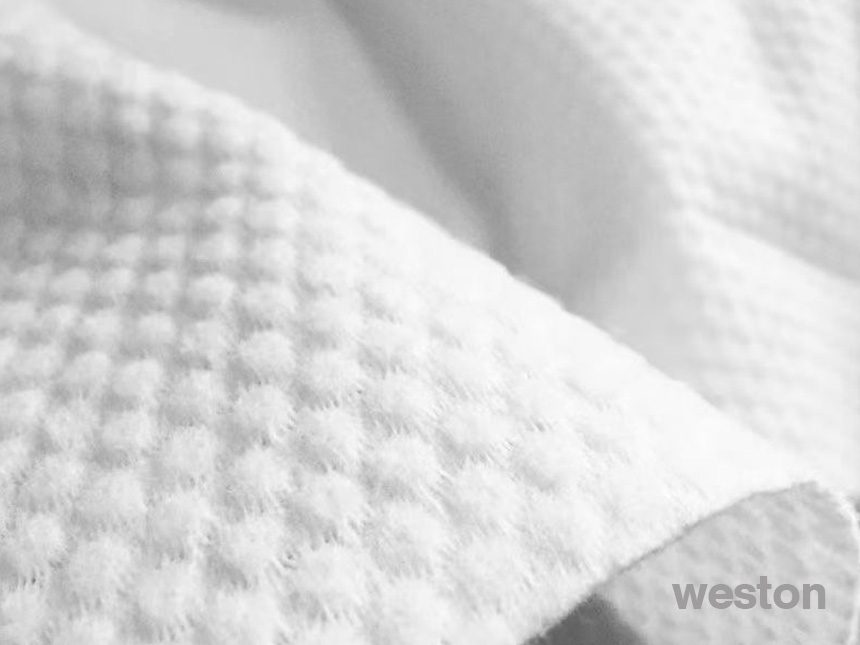
Many people assume the cleaning power of a wet wipe comes mainly from the liquid. In reality, the nonwoven fabric structure plays an equally critical role.
High-quality wet wipes rely on engineered nonwoven fabrics to:
Trap particles within fiber networks
Maintain strength when saturated
Release minimal lint onto surfaces
Spunlace, meltblown, and hybrid structures are commonly used depending on the application. For example, Luxury Hemp Wet/Dry Wipe Fabric offers strong absorption and a naturally premium hand feel, while Meltblown Nonwoven For Disposable Wet Wipes excels at fine particle capture due to its dense microfiber structure.
Most surface wipes contain:
Water as the primary carrier
Mild surfactants to loosen grease
Stabilizers to protect materials
Optional alcohol or antimicrobial agents
Unless a wipe is specifically tested and labeled as disinfectant-grade, its primary role remains cleaning—not sterilization.
Used correctly, wet wipes are highly effective in many everyday and professional settings.
They excel at:
Removing fingerprints, dust, and light grease
Cleaning high-touch surfaces such as switches, handles, and counters
Providing fast, controlled cleaning without buckets or sprays
Reducing cross-contact when single-use protocols are followed
In facilities management, food service, and healthcare support areas, wipes are valued for speed, consistency, and reduced water usage.
Wet wipes are not a universal cleaning solution, and overreliance can create hygiene gaps.
Common limitations include:
Ineffectiveness against heavy oil or baked-on residues
Risk of spreading contamination if one wipe is used across multiple surfaces
Insufficient pathogen control without proper disinfectant formulations
Potential surface damage from incorrect fiber or chemical combinations
These limitations are not flaws—they simply define the boundaries of what wipes are designed to do.
Below is a simplified comparison to clarify expectations:
| Aspect | Wet Wipes | Traditional Cloth + Cleaner |
| Speed | Very fast | Slower |
| Water usage | Low | High |
| Cross-contamination risk | Low (single-use) | Higher |
| Heavy grease removal | Limited | Strong |
| Hygiene control | Consistent | User-dependent |
This balance explains why wipes are often used alongside, not instead of, other cleaning systems.
Not all wet wipes are safe for all surfaces.
Factors that matter include:
Fiber abrasiveness
Lint release level
Chemical concentration
Sensitive environments—such as stainless steel kitchens, electronics assembly, or healthcare equipment—require low-lint, high-strength materials like Spunlace Non Woven Wet Mopping Pads, which provide durability without surface damage.
Choosing the wrong wipe can leave residue, scratches, or invisible fiber contamination.
Wet wipes are often criticized for environmental impact, but the reality is more nuanced.
Modern nonwoven manufacturing has introduced:
Plastic-free fiber blends
Biodegradable spunlace structures
Reduced chemical loading
When designed responsibly and used correctly, wipes can actually reduce total chemical consumption and wastewater output compared to repeated cloth washing and spray cleaning.
The environmental issue is less about wipes themselves and more about material choice, sourcing, and disposal behavior.
To maximize effectiveness and hygiene, best practice is simple:
Use one wipe per defined surface area
Wipe in a single direction
Do not reuse or rewet dried wipes
Allow surfaces to air-dry if required
Match wipe type to surface and task
These principles are standard in professional cleaning protocols and equally relevant at home.
Behind every effective wet wipe is a manufacturing decision—fiber type, bonding method, weight, and absorbency all matter.
Factories specializing in spunlace and meltblown nonwovens play a quiet but essential role in enabling safer, cleaner environments across industries. Materials such as Luxury Hemp Wet/Dry Wipe Fabric, Meltblown Nonwoven For Disposable Wet Wipes, and Spunlace Non Woven Wet Mopping Pads exist not for marketing appeal, but because different cleaning tasks demand different material science solutions.
That distinction is often invisible to end users—but it defines performance.
Yes—when they are used for the right purpose, on the right surfaces, with the right expectations.
Wet wipes are not shortcuts, and they are not miracles. They are precision tools designed for modern, fast-paced cleaning needs. Understanding how they work—and where they stop working—is what turns convenience into real cleanliness.
WESTON
Privacy Policy | SiteMap
Copyright WESTON