- Email: [email protected]


Your kitchen counter isn’t just a prep surface—it’s a potential breeding ground where a single bacterium can multiply into over 8 million cells in less than 24 hours. After handling raw chicken, touching money, or wiping your hands on the counter, one question becomes crucial: Can disinfectant wipes actually protect your family? The answer is yes—but only if you’re doing it right.
Disinfectant wipes are genuinely effective at killing dangerous pathogens like E. coli, Salmonella, and cold viruses. However, most people’s disinfecting routine is merely security theater—they feel productive while actually failing to eliminate germs. The culprit? A widespread misunderstanding about how these wipes work and what makes them effective.
The distinction between sanitizing and disinfecting is critically important. Sanitizing wipes kill up to 99.99% of bacteria in 30 seconds to 5 minutes, while disinfecting wipes eliminate a broader spectrum of bacteria, viruses, and fungi through more powerful chemical formulations. For kitchen countertops—especially after contact with raw meat—you need true disinfecting wipes, not the weaker sanitizing alternatives.
Here’s the uncomfortable truth that cleaning companies don’t advertise: Most disinfectant wipes require 4 to 10 minutes of contact time to work. Yet the average person wipes down a counter in 30 seconds and then considers it disinfected.
When you finish your speed-cleaning session, the surface has probably dried. The disinfectant has stopped working. You’ve cleaned visibly—but you haven’t actually disinfected. Research published in Nature confirmed that 30 seconds of contact time is significantly less effective than 1 minute or longer, even with identical products. More surprising: Hydrogen peroxide-based disinfectants outperform alcohol and quaternary ammonium products across all contact times, making your product choice as important as your technique.
Alcohol-based wipes can dry especially quickly, sometimes too fast to meet effectiveness requirements. If your schedule demands speed, EPA-registered spray disinfectants often outperform wipes—they keep surfaces wet longer, ensuring the disinfectant actually completes its job.

Your countertop material determines which disinfectant you can safely use. Using the wrong product can cause permanent damage.
Laminate and Quartz are forgiving surfaces that handle traditional disinfectants well. Bleach, 70% isopropyl alcohol, and most EPA-approved disinfectant wipes work reliably here, as these durable materials resist heat, stains, and most cleaning agents.
Granite requires gentler treatment. Skip standard bathroom disinfectant wipes. Instead, apply 70% isopropyl alcohol and let it sit for 3 to 5 minutes before wiping with a wet cloth. This kills pathogens without damaging the stone’s protective sealer. Avoid using vinegar, lemon juice, bleach, or ammonia—these acidic solutions can strip the sealer and degrade the stone itself.
Marble is the most sensitive material. Alcohol, bleach, and standard disinfectant wipes can damage marble surfaces. Your best approach? Use antibacterial dish soap mixed with hot water, letting it sit for 5 minutes. For stronger disinfection, invest in a marble-specific disinfectant—these products exist to prevent costly damage.
Here’s a critical safety issue: Many standard disinfectant wipes—like common Lysol or Clorox bathroom products—were originally designed for bathrooms, not food surfaces. These wipes are too concentrated for kitchen counters where food will be prepared, creating a chemical hazard worse than the original bacterial contamination.
For countertops where food will be prepared, seek NSF-listed food-safe products containing safer ingredients like isopropyl alcohol or peracetic acid—these kill 99.999% of dangerous pathogens including Staphylococcus aureus, E. coli, and Listeria monocytogenes. Always check the EPA registration number on the label. If it’s not approved for food contact surfaces, don’t use it on your kitchen counters.
Here’s how to do it correctly:
Remove visible debris and clear your countertop. Pre-clean with hot soapy water if there’s visible dirt or grease—disinfectants can’t reach bacteria hiding under residue. Rinse with clean water to remove detergent residue, which can reduce the disinfectant’s effectiveness. Air dry or pat dry with paper towels.
Select the right product for your countertop material and food-contact status. Apply one disinfectant wipe and ensure the surface stays visibly wet. Check your product label; maintain contact time for typically 4–10 minutes. This is the critical step most people skip. One wipe covers approximately 1 square meter—use multiple wipes and toss each one after covering that area to avoid cross-contamination.
Let surfaces air dry, or if your product requires it, perform a final water rinse.
Mistake One: Using one wipe across your entire countertop. This doesn’t disinfect; it spreads bacteria around your kitchen. Use one wipe per 3-foot-by-3-foot area, then dispose of it.
Mistake Two: Wiping quickly and moving on. Without maintaining contact time, you’re creating false security, not actual disinfection.
Mistake Three: Assuming all disinfectant wipes are food-safe. They’re not. Bathroom formulations belong in bathrooms, not near your food prep areas.
For households and businesses serious about countertop hygiene, Weston Manufacturing—a leading water jet spunlace nonwoven fabric manufacturer—offers specialized disinfectant wipe solutions engineered for exactly this purpose.
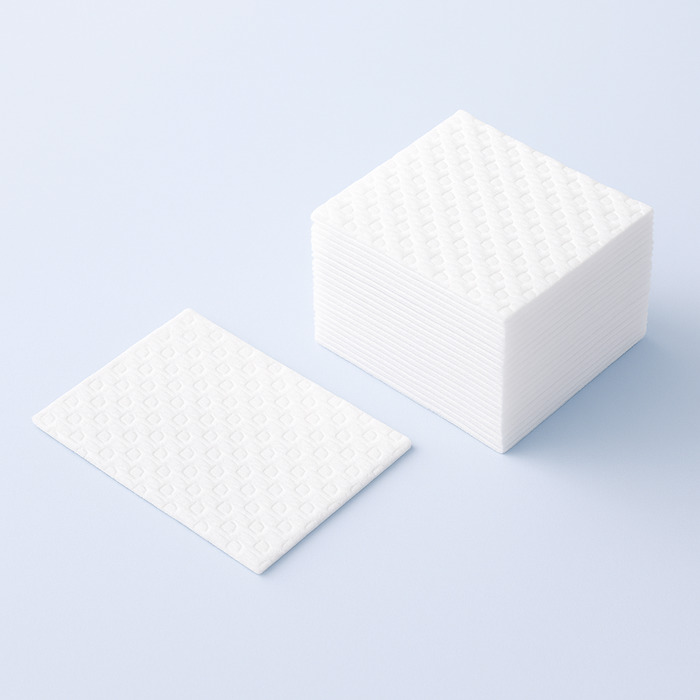
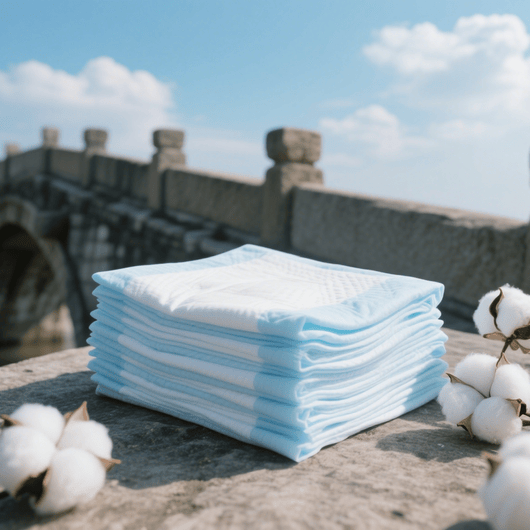
Weston’s product line includes Multi Surface Bulk Disinfectant Wipes, Bucket Disinfectant Wipes In Stock, and Food Grade Disinfectant Wipes—each formulated to meet the specific needs outlined in this guide. Their food-grade disinfectant wipes are particularly relevant for kitchen use, providing the NSF-approved, safe-for-food-contact disinfection discussed above.
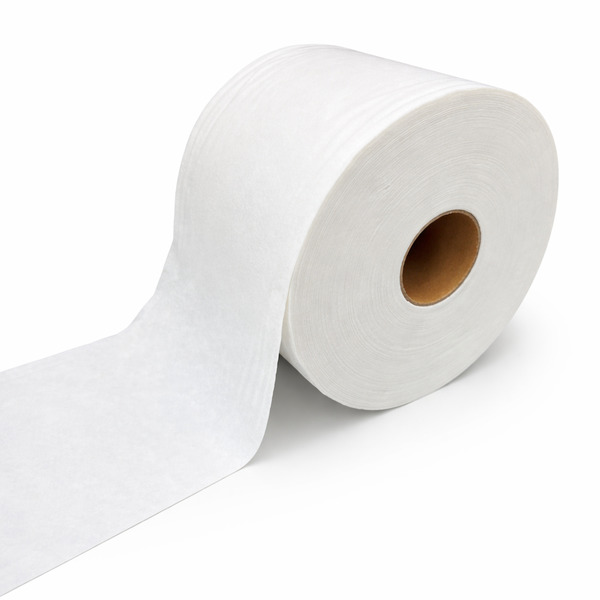
The advantage of choosing Weston Manufacturing products? They understand the science. Their wipes are manufactured using advanced water jet spunlace technology, ensuring optimal absorbency, durability, and active disinfectant retention for maximum contact time effectiveness. Unlike lower-quality alternatives that dry too quickly, Weston’s formulations maintain the wet contact time necessary for genuine disinfection.
Customization options are available for weight, color, and shape, allowing you to select the exact wipe specifications for your kitchen needs. Want lightweight wipes for frequent cleaning? Dense, durable wipes for deep disinfection? Colored wipes for food prep safety? Weston Manufacturing accommodates these preferences.
Special Offer: Weston Manufacturing provides free samples so you can test their disinfectant wipes on your specific countertop materials before committing to bulk orders. Given the importance of compatibility (especially for granite or marble surfaces), this trial approach is invaluable.
For product information, customization details, bulk pricing, and to request free samples, contact Weston Manufacturing at [email protected]. Their team can recommend the ideal disinfectant wipe solution for your home or business, ensuring your countertops receive the proper protection science demands.
WESTON
Privacy Policy | SiteMap
Copyright WESTON