- Email: [email protected]


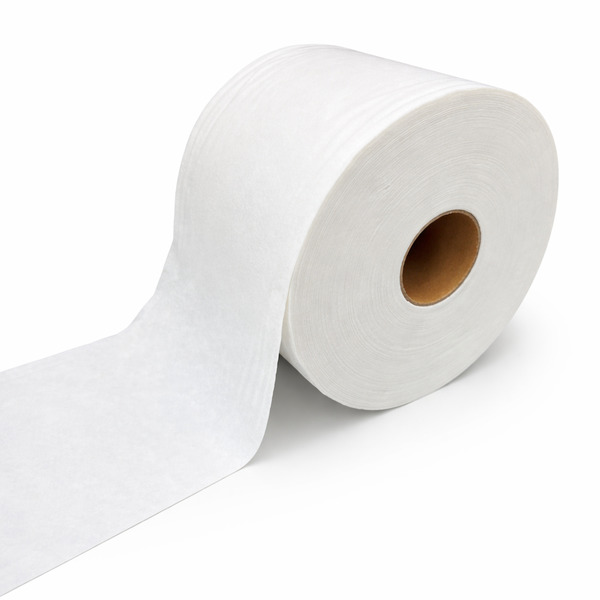
Spunlace nonwovens—often called “hydroentangled fabrics”—represent a breakthrough in nonwoven engineering, relying on the physics of fiber entanglement rather than chemical binders or heat bonding. At its core, the process uses high-pressure water jets (30–200 MPa) to propel short or continuous fibers into a porous web. As the water streams penetrate the web, they displace and twist fibers, creating mechanical interlocks that form a strong, flexible material. Unlike traditional bonded nonwovens (e.g., thermal or resin-bonded), spunlace cloths retain exceptional softness because no foreign substances alter the fiber’s natural structure—a critical advantage for applications requiring skin contact or delicate surface cleaning.
For bulk OEM and distribution, this technology offers scalability: Weston Manufacturing’s production lines optimize water pressure and web speed to produce consistent bulk spunlace cloths, ensuring uniform fiber density across large batches. This consistency is not arbitrary—it is calibrated to meet mechanical performance benchmarks (e.g., tensile strength, tear resistance) required for diverse end uses, from household cleaning to industrial wiping.
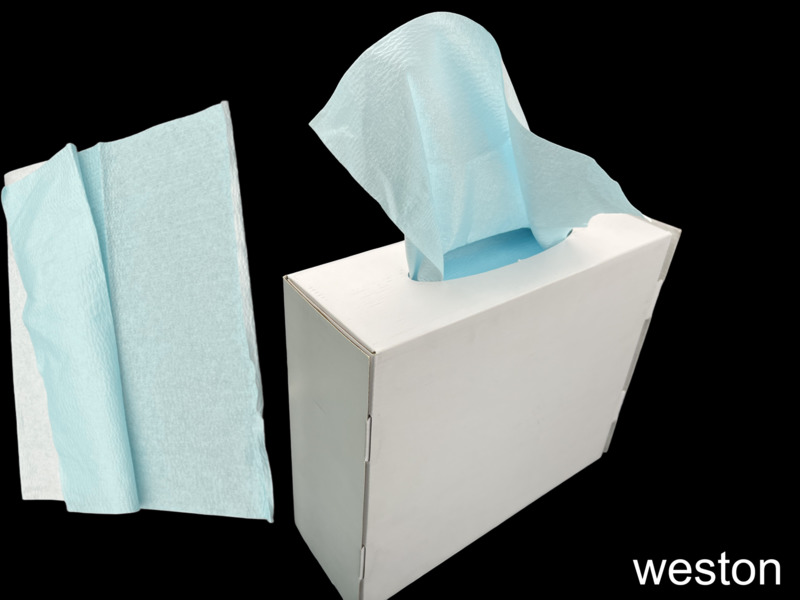
The “bark texture” of these wipes is not an aesthetic choice but a biomimetic engineering solution inspired by tree bark’s natural structure. Tree bark’s irregular, ridged surface evolved to maximize water runoff and surface grip—traits engineers have adapted to enhance wipe functionality. Microscopic analysis reveals that the texture’s concave-convex pattern increases the wipe’s effective contact area by 35–40% compared to smooth nonwovens, per laboratory tests. This larger surface area boosts dirt and liquid absorption by creating “capillary channels” that draw contaminants into the texture’s crevices, rather than letting them slide off smooth surfaces.
Additionally, the texture’s controlled roughness optimizes frictional force: it is abrasive enough to lift stubborn residues (e.g., dried food, dust) but gentle enough to avoid scratching delicate surfaces (e.g., glass, electronics). This balance is achieved through precision embossing during the spunlace process, where rollers with bark-mimicking patterns press the web at specific temperatures (60–80°C) to set the texture permanently. For OEM partners, this design flexibility means the texture can be adjusted—from fine to coarse—based on end-use requirements (e.g., coarse for industrial machinery, fine for baby care).
Carton packaging for bulk wipes is rooted in circular economy principles, addressing two critical challenges of plastic packaging: microplastic pollution and end-of-life waste. Paper-based cartons are composed of cellulose fibers, a renewable resource that decomposes in aerobic environments (e.g., compost facilities) within 2–6 months—compared to 20–400 years for conventional plastic packaging. Moreover, cartons can be recycled up to 7 times before fiber quality degrades, reducing reliance on virgin raw materials.
From a functional standpoint, cartons offer superior moisture barrier performance when lined with a thin, food-grade polyethylene layer (a necessary compromise to prevent wipe drying). This lining is recyclable in specialized facilities, and Weston Manufacturing’s carton designs prioritize minimal lining usage—using 15% less plastic than standard wipe packaging. For distributors, cartons also reduce shipping volume: their stackable, rigid structure cuts transportation carbon emissions by 20–25% compared to flexible plastic bags, as more units fit per pallet.
| Packaging Type | Decomposition Time | Recyclability | Moisture Resistance | Shipping Efficiency (Units/Pallet) |
| Carton (Lined) | 2–6 months | 7+ cycles | High (With Lining) | 1,200–1,500 |
| Conventional Plastic | 20–400 years | 1–2 cycles | Very High | 800–1,000 |
| Biodegradable Plastic | 1–5 years | Limited | Moderate | 900–1,100 |
The performance of carton-packed bark texture wipes depends entirely on their base materials. Three substrates stand out for their scientific and functional advantages, each tailored to specific use cases:
This blend combines viscose (a regenerated cellulose fiber) and polyester (a synthetic polymer) in a 60:40 or 70:30 ratio—engineered to balance absorbency and durability. Viscose’s hydrophilic (water-attracting) cellulose chains absorb 200–300% of the fabric’s weight in liquid, while polyester’s hydrophobic (water-repelling) polymer structure adds tensile strength, preventing tearing when wet. The hydroentanglement process further enhances this synergy: water jets force viscose fibers to wrap around polyester strands, creating a “mesh” that retains liquid without losing shape. This makes the fabric ideal for heavy-duty cleaning (e.g., kitchen wipes) or medical surface disinfection, where both absorption and resilience are critical.
Bamboo lyocell is a next-generation sustainable fiber, produced via a closed-loop process that recycles 95% of solvents (unlike traditional viscose, which uses toxic chemicals). From a sanitary perspective, bamboo fibers contain bamboo kun, a natural antimicrobial compound that inhibits the growth of E. coli and Staphylococcus aureus by 90%+ (per ISO 20743 testing). This eliminates the need for synthetic preservatives, making the wipes suitable for sensitive skin (e.g., facial wipes, baby wipes). The lyocell manufacturing process also aligns with environmental goals: bamboo grows 3x faster than trees, requires no pesticides, and sequesters 5x more carbon dioxide. For OEM partners focused on eco-conscious branding, this substrate is a scientifically validated differentiator.
GSM (grams per square meter) is a critical metric for wipe performance, and 27 gsm represents a “golden mean” for bulk applications. This lightweight fabric (27 grams per square meter) balances portability and functionality: it is thin enough to be cost-effective for bulk distribution but thick enough to avoid tearing. The “hydrophilic” treatment modifies the fabric’s surface chemistry—coating polyester fibers with a non-ionic surfactant that reduces water surface tension, allowing liquid to spread evenly across the fabric (rather than beading up). The SMS (Spunbond-Meltblown-Spunbond) structure adds an extra layer of protection: the middle meltblown layer traps fine particles (e.g., dust, allergens), making the fabric suitable for cleanroom or healthcare applications. Weston Manufacturing’s 27 gsm hydrophilic SMS fabric is calibrated to meet OEM specifications for particle filtration efficiency (PFE) and liquid strike-through time.
To evaluate these wipes objectively, we must weigh their scientific and practical merits against inherent limitations:
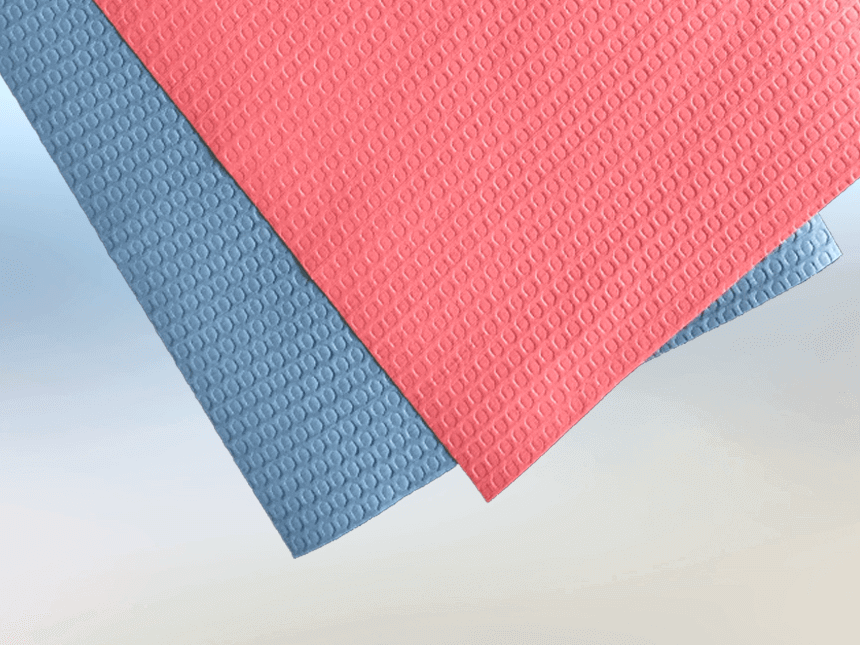
Carton-packed bark texture spunlace wipes excel in diverse sectors due to their science-backed design:
Weston Manufacturing leverages decades of nonwoven engineering expertise to optimize these wipes for OEM and distribution. By integrating Viscose Polyester Hydroentangled Nonwoven Fabric, Eco-Friendly Bamboo Lyocell Sanitary Wipes, Carton Packed Bark Texture Spunlace Wipes, and 27 gsm Hydrophilic SMS Fabric into its production lines, the factory ensures consistency, sustainability, and performance. For partners seeking to test these scientific innovations firsthand, free samples are available via [email protected]—supporting OEMs in validating material suitability for their specific end uses.
WESTON
Privacy Policy | SiteMap
Copyright WESTON