- Email: [email protected]


The global cleaning industry stands at a critical juncture. Traditional cleaning methods—relying on paper towels, standard cotton rags, and labor-intensive processes—consume enormous quantities of water, generate substantial waste, and often fail to meet modern hygiene standards. Modern cleaning cloth rolls represent a fundamental shift in how organizations and households approach contamination control, efficiency, and sustainability. These engineered materials have evolved beyond simple wiping solutions; they have become sophisticated instruments of hygiene, essential across healthcare facilities, commercial kitchens, industrial plants, and homes.
Cleaning cloth rolls are not simple textiles; they are engineered products designed through advanced material science to deliver specific performance characteristics. The foundation of modern cleaning cloth roll technology rests on nonwoven fabric manufacturing, particularly the spunlace (hydroentanglement) process.
Spunlace technology operates on an elegant mechanical principle: high-pressure water jets—often exceeding 800 bar—penetrate fiber webs, causing individual fibers to entangle and interlock. Unlike traditional bonding methods that rely on chemical adhesives or thermal energy, hydroentanglement preserves fiber integrity while creating extraordinary mechanical strength. This means spunlace-manufactured cloth rolls maintain softness while achieving tensile strength that rivals woven textiles. The resulting material exhibits what researchers describe as “the absorbency paradox”—the fabric absorbs liquids rapidly while maintaining structural integrity when saturated.
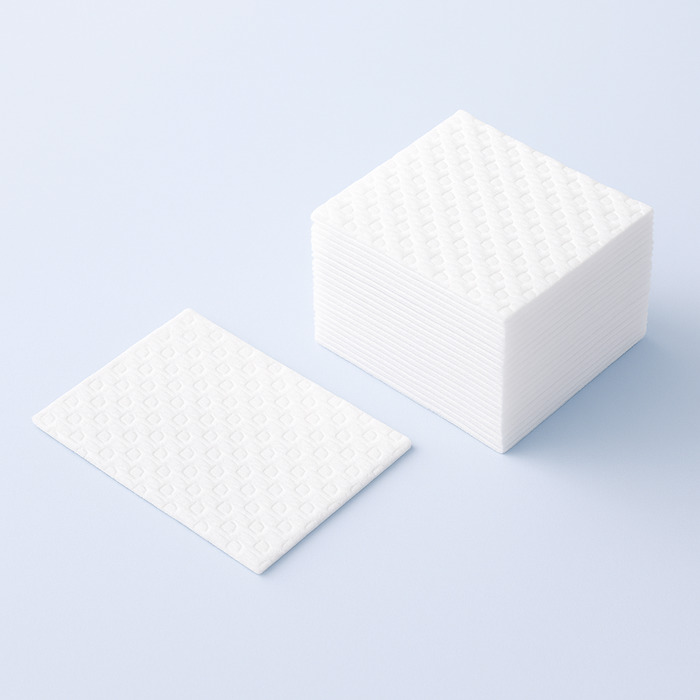
The embossed pattern characteristic of premium cleaning cloth rolls has a critical functional purpose. Embossing creates microscopic peaks and valleys on the fabric surface, functioning like a three-dimensional capture system. When applied to a surface, these raised patterns increase contact points with dirt particles, dust, and microorganisms. Under magnification, the mesh structure reveals a sophisticated pore architecture where pore size gradients optimize both absorption rate and maximum absorption capacity. Research into nonwoven fabric structure indicates that maximum absorption capacity is primarily determined by total pore volume—typically reaching 450-500% of fabric weight in premium spunlace formulations—while absorption rate is influenced by fiber size, pore size distribution, and surface texture geometry.

Healthcare facilities represent the most demanding environment for cleaning cloth rolls. In operating rooms, intensive care units, and diagnostic laboratories, contamination control directly impacts patient outcomes. Healthcare-associated infections (HAIs) are a significant burden; the Centers for Disease Control and Prevention recognizes that environmental surface contamination facilitates pathogen transmission, particularly for organisms like methicillin-resistant Staphylococcus aureus (MRSA), Clostridium difficile, and Escherichia coli.
The effectiveness of cleaning cloths in reducing microbial contamination has been rigorously documented. Studies comparing microfiber cloths against traditional materials on stainless steel, furniture laminate, and ceramic tile surfaces—common in healthcare environments—demonstrate that properly selected microfiber formulations achieve microbial log reductions of 3.0 to 5.0 or greater. When using microfiber materials specifically engineered with high surface area fiber geometry (typically ultrafine denier polyester), the mechanical action of wiping alone removes over 95% of microorganisms on first contact, a performance level unmatched by conventional cloths or paper towels.
The lint-free characteristic is crucial in healthcare contexts. Traditional cotton towels and paper products shed fibers during use—a phenomenon known as “linting.” These loose fibers can interfere with sterile field integrity during surgical procedures, contaminate optics in diagnostic equipment, and harbor microorganisms. Premium spunlace nonwoven formulations achieve lint-free performance exceeding 98% through the fiber entanglement mechanism, ensuring that individual fiber release during normal use is virtually impossible. This property eliminates a major contamination vector in sensitive environments.
Hospitality operations—hotels, restaurants, catering facilities—demand cleaning solutions that balance speed, safety, and cost-effectiveness. A typical large hotel processes thousands of rooms daily, each requiring surface disinfection with minimal time investment. Traditional methods utilizing separate cleaning cloths and water buckets create bottlenecks: cloths must be transported, wrung out, rinsed, and eventually laundered.
Cleaning cloth rolls streamline this workflow dramatically. Disposable or single-use formulations eliminate transportation overhead entirely. Staff can extract a single sheet, apply it to surfaces already sprayed with disinfectant, and immediately discard it. In high-traffic establishments, the time savings accumulate significantly. Data from large facility implementations reveal that operations utilizing roll-format cleaning cloths reduce average cleaning time per surface by 15-20% compared to traditional cloth methods.
Food service environments present additional constraints. Food safety regulations mandate the prevention of cross-contamination between different food preparation zones. A cleaning cloth used on raw chicken surfaces cannot safely be used on vegetable preparation areas without complete disinfection. Roll-format cloths eliminate this problem through disposability—each surface receives a fresh, microbiologically clean cloth. The spunlace material’s compatibility with FDA-approved food-contact disinfectants means operations can confidently apply these cloths to food-contact surfaces without concerns about chemical residue.
Research into real-world food processing operations demonstrates that facilities implementing spunlace nonwoven cleaning cloths experience measurable reductions in pathogenic organism detection on environmental surfaces—typically 40-60% reductions in ATP bioluminescence readings, which serve as rapid indicators of organic contamination. This translates directly into reduced foodborne illness risk and enhanced regulatory compliance.
Manufacturing environments present cleaning challenges fundamentally different from healthcare or hospitality. Industrial contamination typically involves oils, metal particles, dust, and chemical residues rather than biological contaminants. The harsh operating conditions—extreme temperatures, chemical exposure, mechanical stress—demand cloth materials with exceptional durability and chemical resistance.
Spunlace nonwovens engineered with specific fiber blends—particularly polyester cores with viscose or cotton outer layers—provide optimal performance across these parameters. The polyester component delivers chemical resistance and mechanical strength, while the natural fiber component offers superior absorbency for oil and water-based fluids. This hybrid approach leverages the absorbency advantage of natural fibers (cotton and viscose typically absorb more than 35 times their weight in water, compared to polyester’s 1-2 times capability) while maintaining the durability and chemical tolerance of synthetics.
Industrial manufacturers increasingly recognize that surface preparation quality directly impacts final product quality. In automotive refinishing, for example, surface dust or fiber residue during paint application causes visible defects requiring costly rework. Lint-free cleaning cloths eliminate this defect source, improving first-pass quality rates and reducing waste. Manufacturers report quality improvement metrics of 5-12% in defect reduction when transitioning from traditional to spunlace-based cleaning systems.
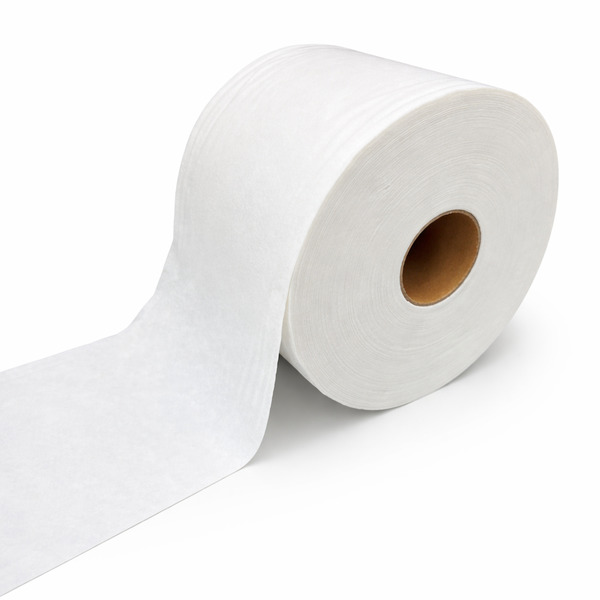
The triple roll nonwoven fabric format offers particular advantages in industrial settings. The three-layer construction combines outer layers of fine-mesh embossed material (for texture and dirt capture) with a middle layer of high-absorbency material (typically pulp fiber for oil absorption capacity reaching 12 times fabric weight). This architecture delivers simultaneous performance across multiple cleaning demands within a single product.

Colorful microfiber cleaning cloths—often dyed for zone management in large facilities—represent a refinement of basic microfiber technology. Microfiber consists of synthetic fibers with denier (individual fiber thickness) typically of 1.0 or less, creating individual fibers roughly 1/100th the diameter of a human hair.
The performance advantages arise from fundamental physics. These ultrafine fibers create enormous surface area relative to weight—a single microfiber cloth can possess over 40 square meters of surface area per kilogram of material. When studied microscopically, microfiber cloths interact with dust and microorganisms through both mechanical capture and electrostatic attraction. The physical structure generates capillary action, where liquid climbs spontaneously into fiber interstices, achieving absorbency rates of 380-420% of fabric weight.
Clinical studies comparing microfiber cloths with conventional alternatives document nuanced performance. Research from healthcare infection control specialists reveals that microfiber cloths achieve nearly double the absorbency of conventional cloths while providing 10% greater removal of organic debris compared to traditional materials on first use. When reprocessed according to recommended laundering parameters (hot water washing, high-temperature drying), microfiber cloths retain 90-95% of their original microbial removal efficacy even after 75 wash cycles, substantially exceeding the durability of disposable options.
The color-coding system for microfiber cloths addresses a critical contamination control principle. To prevent healthcare-acquired infections, cloths used in bathroom areas should never contact patient care surfaces, and equipment used for sterile areas should never touch general surfaces. Color-coding creates visual systems that prevent these cross-contamination pathways. For instance, blue cloths might be reserved for patient care areas, white for administrative spaces, and yellow for bathrooms. This simple visual management system, combined with microfiber’s documented microbial removal efficacy, creates a contamination prevention infrastructure that would be challenging to implement reliably with traditional cloth systems.
The transition to modern cleaning cloth rolls demonstrates measurable operational improvements. A university campus implementing data-driven cleaning practices observed that introducing microfiber cleaning cloths alongside low-flow water fixtures achieved a 30% reduction in water usage and a 20% reduction in chemical consumption. These metrics extend beyond immediate cost savings; they reflect fundamental resource optimization achievable through proper material selection.
Large office buildings tracking environmental surface cleanliness through ATP testing (which measures organic residue concentration) document sustained performance improvements. Facilities transitioning from paper towel systems to spunlace nonwoven rolls maintained consistent cleanliness metrics while reducing labor hours by 15% and material costs by 22%. The sustainability metrics prove equally impressive: recycled spunlace nonwoven materials reduce environmental impact by approximately 60% compared to virgin materials, while their biodegradability in commercial composting facilities eliminates the persistent waste concerns associated with synthetic microfiber products.
The economic analysis reveals that while premium spunlace cloth rolls carry higher per-unit costs than basic paper products, lifecycle economics strongly favor cloth solutions. A typical healthcare facility using disposable cloths expends roughly 2.5-3.0 hours of labor weekly for cleaning material resupply, transport, and waste management. Switching to roll-format systems transfers this labor overhead to delivery logistics occurring once or twice monthly, reducing ongoing labor costs by approximately 12-15% despite material cost increases. When environmental costs—water usage, chemical consumption, waste generation—are incorporated into total cost analysis, spunlace solutions consistently demonstrate 25-40% superior financial performance.
Household applications represent a fragmented cleaning cloth market yet demonstrate significant performance opportunities. Families generate cleaning needs ranging from kitchen degreasing and bathroom sanitization to window cleaning and general dust removal—functional diversities that often exceed those in institutional applications.
Premium spunlace and microfiber formulations address these varied requirements more effectively than traditional approaches. The embossed pattern and mesh structure optimize performance across different surface types: the embossing captures dust on horizontal surfaces, while the elevated mesh pattern prevents streaking on vertical glass surfaces. The superior wet strength prevents deterioration during vigorous scrubbing of kitchen surfaces or bathroom fixtures. Most significantly, the reusability through repeated laundering (over 75 cycles for embossed spunlace and over 150 for premium microfiber) provides economic advantages for households, particularly those with higher-than-average cleaning demands.
Water consumption is a significant environmental consideration in household cleaning. Traditional laundering involves soaking, washing, rinsing (often multiple times), and drying cycles, consuming 15-25 liters of water per cleaning session. Microfiber systems reduce this overhead through superior absorbency—fewer cloths are needed to complete household tasks, translating into reduced laundering frequency. Households transitioning to microfiber-based systems report 30-40% reductions in laundry water consumption dedicated to cleaning cloth maintenance.
The progression from raw materials to finished cleaning cloth rolls involves sophisticated process control. Premium manufacturers source cotton fibers, viscose, polyester, or specialized cellulose derivatives and subject them to meticulous quality assessment before processing. The spunlace nonwoven production line is a technological achievement: modern equipment operates at speeds exceeding 100 meters per minute while maintaining consistent fabric properties across thousands of linear meters.
The embossing operation applies pressure through precision-engineered rollers, creating specific pattern geometry—typically mesh patterns with configurations like 8×8—that enhance surface texture without compromising structural integrity. The embossing pressure, pattern geometry, and roller speed must be precisely coordinated to achieve desired texture while preventing fiber crushing, which would reduce absorbency.
Water-spun technology, as implemented by advanced manufacturing facilities, provides notable advantages. The high-pressure water jets used in spunlace processing are recycled and filtered, reducing waste while maintaining process consistency. This recycling creates manufacturing efficiency—approximately 70% process water recycling rates compared to 30-40% for less advanced facilities.
Quality assurance throughout production involves continuous monitoring of fabric weight (measured in grams per square meter), thickness, burst strength, absorbency rate, and lint-free performance. Professional-grade facilities maintain specifications within 2-3% variation margins—extraordinarily tight tolerances for textile products—ensuring consistent performance across every roll manufactured.
The cleaning cloth roll industry continues to advance through innovations in materials science. Emerging research explores antimicrobial fiber treatments using silver nanoparticles or copper compounds, which provide sustained antimicrobial effects beyond mechanical removal. These treatments maintain efficacy through 50 or more wash cycles, offering healthcare facilities enhanced pathogen control without requiring frequent use of chemical disinfectants.
Sustainability innovations focus on developing fully compostable nonwoven formulations based on plant-derived cellulose or novel biopolymers. Current generations achieve 90-95% biodegradability within 180 days in industrial composting facilities, compared to synthetic microfiber, which may require hundreds of years to fully degrade. Research into enzyme-assisted decomposition promises to accelerate this timeline further while creating valuable compost byproducts from spent cleaning cloths.
Smart material innovations are also being explored, such as integrating pH-sensitive dyes that change color upon contact with disinfectants, providing visual confirmation that surfaces have received appropriate chemical treatment. Other developments include phase-change materials embedded in cloth structures, allowing cleaning cloths to regulate temperature for applications requiring specific thermal conditions.

Cleaning cloth rolls have transcended their commodity status to become essential tools in modern hygiene management. The performance differences between basic options and engineered solutions span multiple critical dimensions: absorbency rates, strength maintenance under stress, lint-free performance, and durability through repeated use.
The integration of advanced spunlace nonwoven technology, embossed pattern design, and specialized fiber blends creates materials capable of performing functions that traditional approaches cannot match. Healthcare facilities achieve superior infection control, hospitality operations attain efficiency gains, industrial manufacturers improve quality metrics, and households benefit from enhanced cleaning effectiveness with reduced environmental impact.
For organizations considering cleaning cloth selection, the analysis points toward specific material characteristics deserving priority: embossed spunlace nonwoven formulations for environments requiring maximum absorbency and lint-free performance; microfiber alternatives for applications needing extreme durability through repeated laundering; triple roll nonwoven configurations for versatile industrial environments; and colorful microfiber systems for large facilities requiring zone management and contamination prevention.
The evolution from traditional cleaning approaches to sophisticated engineered cloth rolls reflects broader industrial progress toward efficiency, safety, and environmental responsibility. Organizations and households implementing these solutions benefit not only from superior cleaning performance but also from fundamental operational improvements affecting cost, sustainability, and ultimately, human health and safety.
WESTON
Privacy Policy | SiteMap
Copyright WESTON