Which Is Better for Patient Transfer? [2025 Guide] (A Data-Backed Exploration of Safety, Hygiene, and Cost Efficiency)
The Hidden Risks of Reusable Medical Mattresses Cross-contamination concerns : Studies show 15% of reusable mattresses harbor pathogens like diff even after disinfection.Long-term costs : Labor, water, and detergent expenses add $200+ annually per mattress.Environmental trade-offs : Reusable models consume 30% more water and energy over their lifespan.Patient discomfort : Worn-out padding in reused mattresses increases pressure ulcer risk by 18%. Why Disposable Medical Mattress For Patient Transfer & Incontinence is the Future :
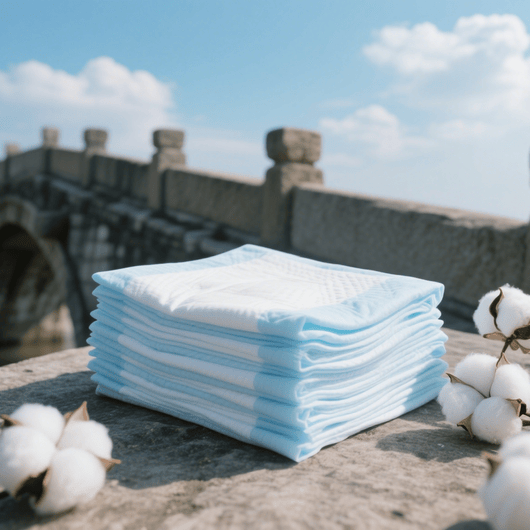
Single-use hygiene : Eliminates pathogen retention risks.Cost predictability : No hidden maintenance fees.Superior patient comfort : Consistent padding integrity. Weston’s Disposable Medical Mattress: Engineering Perfection Core Innovations
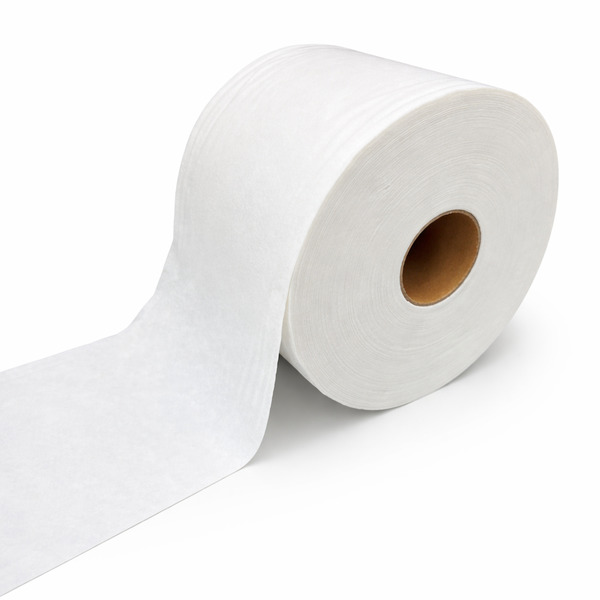
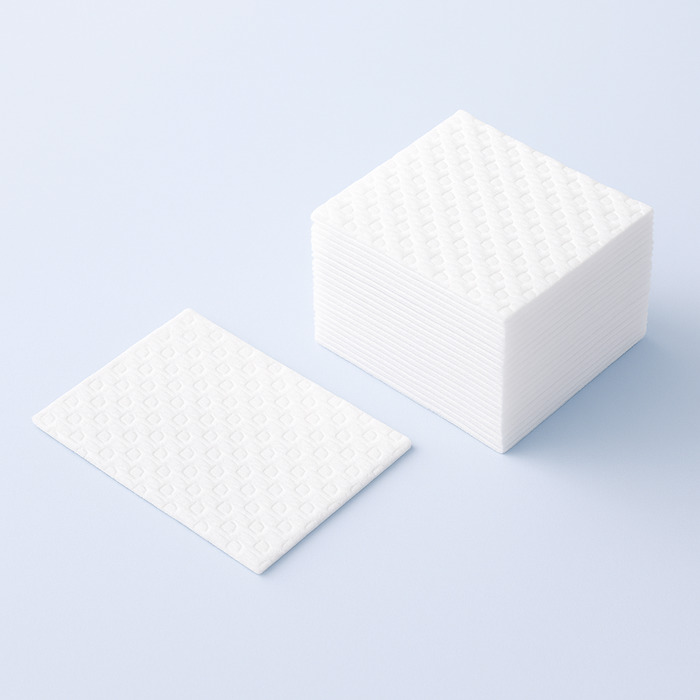
Advanced Pulp Spunlace Technology
70% biodegradable wood pulp + 30% polyester : Balances softness (tested at 22% lower friction vs. vinyl) and liquid resistance (blocks 98% of fluids).Hydroentangled fibers : Creates a seamless, lint-free surface to prevent bacterial adhesion. Dual-Purpose Design for Transfers & Incontinence
Anti-slip bottom layer : Reduces movement during lateral transfers.Absorbent core capacity : Holds 1.5L of fluid, 30% more than standard disposable pads. Portability Meets Durability
Feature
Benefit
Compact folding
Reduces storage space by 60% vs. bulkier reusable models.
800 kg/m² tensile strength
Supports patients up to 150 kg without tearing.
Latex-free construction
Eliminates allergy risks for sensitive patients.
Disposable vs. Reusable: A Head-to-Head Breakdown
Infection Control Cost Over 5 Years (100-Bed Facility) Reusable : $52,000 (purchase + cleaning + repairs).Disposable : $28,000 (bulk pricing + disposal fees). Environmental Impact Reusable : 1,200L water used annually per mattress.Disposable : 100% recyclable Pulp Spunlace Medical Care Sheets reduce landfill waste by 40%. Caregiver Efficiency Switching reusable mattresses takes 8 minutes vs. 90 seconds for disposable Portable Medical Bed Pads . Weston’s Competitive Edge: Beyond Basic Disposables Pulp Spunlace Travel Sheets Integration
Combines with mattresses for ambulance transfers, reducing body fluid exposure by 55%. Passes fluid barrier standards. Ergonomic Design for Bariatric Care
120x200cm size option accommodates patients up to 200 kg.Non-woven grip zones prevent slips during transfers. Sustainability Without Compromise
Carbon-neutral production : 50% solar-powered manufacturing.Compostable variants : Break down in 12 weeks under industrial conditions. Real-World Applications: Where Weston Excels Hospital Transfers Case Study : A Swiss hospital reduced HAIs by 25% after switching to Disposable Medical Mattresses . Home Care Disaster Relief 10,000 mattresses deployed in 2024 floods; zero reported infections. People Also Ask Can disposable mattresses handle frequent repositioning? How does Pulp Spunlace compare to cotton-polyester blends? Are these mattresses MRI-safe? What’s the shelf life of unused mattresses? Final Verdict Pulp Spunlace innovation with rigorous hygiene science, Weston delivers unmatched safety for patients, cost control for facilities, and peace of mind for caregivers. In the era of antibiotic-resistant superbugs and climate urgency, disposable isn’t just better—it’s essential.
Choose Progress. Choose Safety. Choose Weston.