- Email: [email protected]


Dog deodorizing wipes have moved from niche grooming tools to everyday pet-care essentials. They are used by professional groomers between appointments, by veterinarians for spot hygiene, and by pet owners managing odor in real-life, imperfect conditions. Still, skepticism remains: can a wipe genuinely reduce odor, or does it merely cover it up?
To answer this properly, it is necessary to move past surface claims and examine how dog odor forms, what deodorizing wipes are engineered to do, and where their benefits and limitations realistically sit.
Dog odor is rarely the result of visible dirt alone. In most cases, it develops through a combination of biological and environmental factors:
Natural skin oils (sebum) secreted to protect the coat
Microbial activity that breaks down these oils
Moisture retention, especially after walks or play
Environmental contaminants such as dust, pollen, saliva, and urine residue
A common real-world example: a dog returns from a walk on a warm, humid day. The coat looks clean, but within hours a noticeable odor appears. This is not a bathing failure—it is a surface hygiene issue.
Deodorizing wipes are designed to intervene precisely at this stage.
Dog deodorizing wipes are not intended to replace bathing or treat medical skin conditions. Their role is targeted, controlled, and preventative.
Functionally, effective wipes are designed to:
Remove odor-causing residues from the coat surface
Absorb excess oil and moisture that bacteria feed on
Reduce surface-level microbial buildup
Maintain cleanliness between full grooming sessions
In professional grooming environments, wipes are often used after brushing or trimming to clean specific areas rather than the entire body. This usage pattern reflects their true purpose: maintenance and control, not deep cleansing.
When designed correctly and used appropriately, dog deodorizing wipes offer clear advantages for both consumers and professionals.
Wipes allow quick cleaning without water, drying time, or stress. This is especially valuable for large dogs, senior dogs, or dogs that resist bathing.
Problem areas such as paws, underbellies, facial folds, and tail bases can be cleaned without disturbing the rest of the coat.
Frequent bathing can disrupt the skin barrier and increase oil rebound. Wipes help extend time between baths while keeping odor under control.
In real households, consistency matters. A wipe that is easy to use is more likely to be used regularly, leading to better long-term hygiene outcomes.

A balanced evaluation also requires clarity about what deodorizing wipes cannot do.
Odor caused by infections, allergies, or chronic skin issues requires medical attention. Wipes may temporarily reduce smell but cannot resolve underlying causes.
Deep dirt, heavy buildup, or coat-saturated grime still require bathing. Wipes are complementary, not corrective.
Low-quality wipes may spread oils instead of removing them. When this happens, odor can return quickly, leading to the false impression that wipes “do not work.”
While formulations often receive the most attention, the wipe substrate itself plays a decisive role in odor reduction.
An effective dog deodorizing wipe must combine:
High absorbency for oils and moisture
Uniform fiber entanglement for consistent pickup
Low linting to avoid residue on fur
Adequate wet strength to prevent tearing
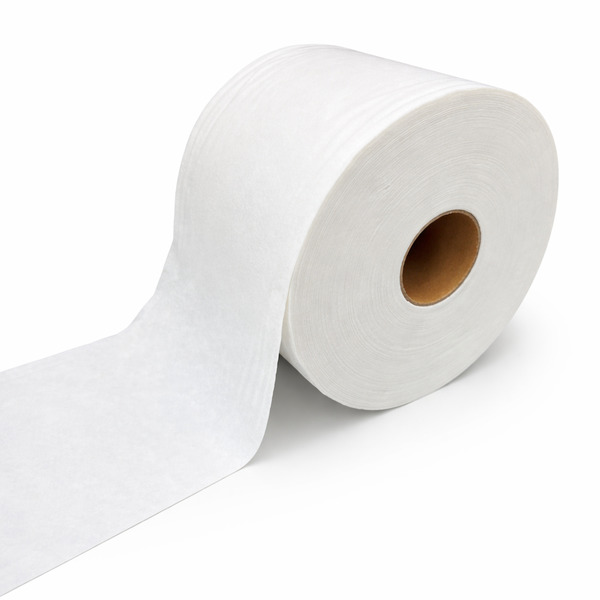
Spunlace nonwoven technology is particularly suited to these requirements. Its hydro-entangled structure allows fibers to lift and trap odor-causing substances rather than pushing them across the coat.
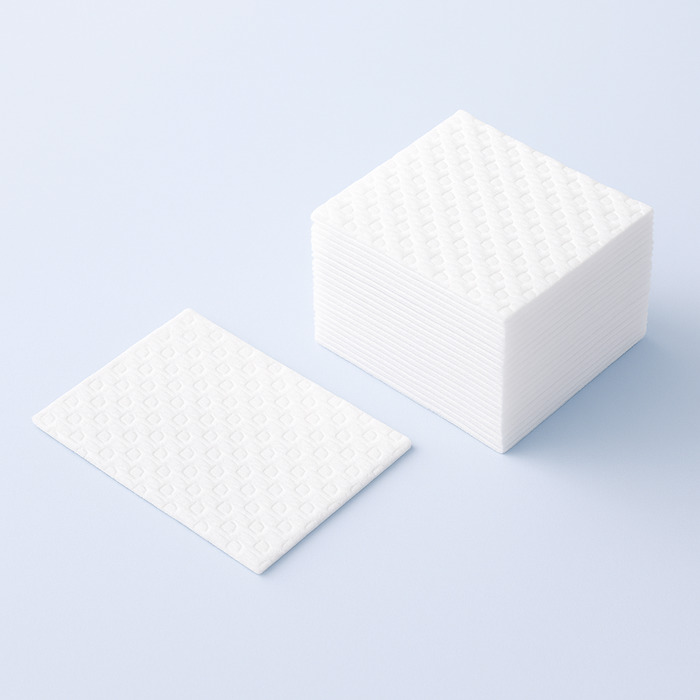
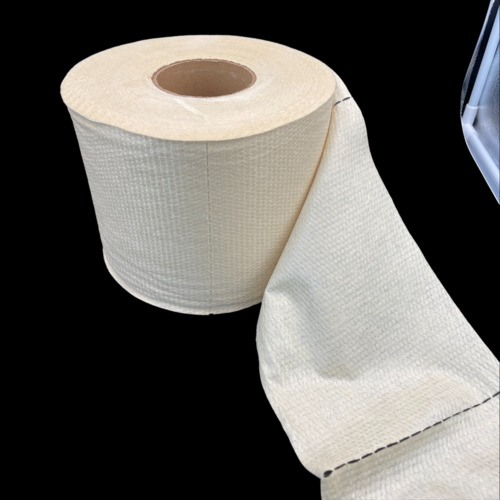
Materials such as Deodorizing Bamboo Spunlace Nonwoven further enhance this function by combining natural fiber softness with strong liquid absorption, making them suitable for frequent use on sensitive skin areas.
In multi-dog households, daily walks often lead to recurring paw and lower-leg odor. Bathing after every walk is unrealistic, but consistent use of deodorizing wipes significantly reduces indoor odor buildup.
In grooming salons, wipes are frequently used as a finishing step after trimming. Removing residual oils and loose hair improves coat freshness without reintroducing moisture.
Veterinary clinics also use wipes for localized cleaning during routine exams, reinforcing their role as a practical hygiene solution rather than a cosmetic add-on.
These examples highlight a key truth: deodorizing wipes are most effective when used strategically and repeatedly, not as a one-time fix.
Effectiveness over time depends on skin compatibility. Wipes that rely on aggressive mechanical action may offer short-term odor reduction but risk disrupting the skin barrier.
High-quality wipes prioritize:
Gentle physical cleaning rather than abrasion
Even liquid distribution across the fabric
Minimal residue left on the coat
From a manufacturing perspective, consistency in spunlace quality ensures predictable performance across large production volumes—an important factor for professional buyers evaluating pet-care materials.
Behind every reliable deodorizing wipe is a carefully controlled nonwoven material. Weston Manufacturing focuses on spunlace nonwoven solutions engineered for hygiene and pet-care applications, including Deodorizing Bamboo Spunlace Nonwoven developed for odor-control wipes.
For brands and product developers, material stability, customization, and performance consistency matter more than surface claims. Weston provides technical support and free sample requests via [email protected] for evaluation and development purposes.
Dog deodorizing wipes do work—when they are designed to remove odor-causing residues rather than mask them, and when expectations align with their function.
They are not a shortcut, nor a medical solution. They are a practical hygiene tool built for real life: daily walks, limited time, and the need for consistent cleanliness. When supported by the right nonwoven material and used with intent, they quietly deliver exactly what they promise—effective, surface-level odor control that fits into modern pet-care routines.
WESTON
Privacy Policy | SiteMap
Copyright WESTON