- Email: [email protected]


The fundamental limitation of traditional container agriculture lies in its neglect of root zone dynamics. Plastic pots, while durable and inexpensive, create a root-bound environment where circular growth patterns constrict vascular development, reduce nutrient uptake efficiency, and ultimately diminish photosynthetic capacity. The revolutionary approach of fabric-based systems addresses these constraints through the principle of air pruning—a process where roots exposed to oxygen-rich microporous interfaces naturally terminate apical growth and stimulate lateral root formation.
Weston’s Soilless Cultivation Grow Bags leverage advanced material science to optimize this phenomenon. Engineered from proprietary FLASH SPUN MATERIAL, these containers create a three-dimensional oxygen exchange matrix that transforms root architecture. Unlike rigid containers that force roots into destructive circular patterns, the breathable fabric environment promotes the development of fibrous, highly-branched root systems that can increase nutrient absorption surface area by up to 300% compared to traditional containers.
The micro-porous structure of these fabrics represents a triumph of biomimetic design. By replicating the oxygen and moisture balance found in ideal soil ecosystems, manufacturers have created what essentially constitutes an artificial rhizosphere—a controlled environment where root systems receive optimal gas exchange while maintaining critical moisture levels. This balance is particularly crucial in controlled environment agriculture (CEA), where precision growing conditions dictate productivity.
The sophisticated engineering behind modern cultivation fabrics integrates several critical functionalities that operate simultaneously:
The strategic application of color thermodynamics demonstrates how material science optimizes root zone temperatures. Black bags absorb thermal energy, raising soil temperatures by 3-5°C in cooler climates, while white variants reflect excessive radiation, preventing root zone overheating in warm environments. This passive temperature control reduces energy demands in CEA facilities by decreasing the need for active climate intervention.
The hydro-entangled fiber matrix achieves what was previously impossible with rigid containers: simultaneous drainage and moisture retention. The fabric’s precise pore structure creates capillary action that distributes moisture evenly throughout the growth medium while allowing excess water to escape. This eliminates the anaerobic conditions that cause root rot while reducing watering frequency by up to 40% compared to plastic containers.

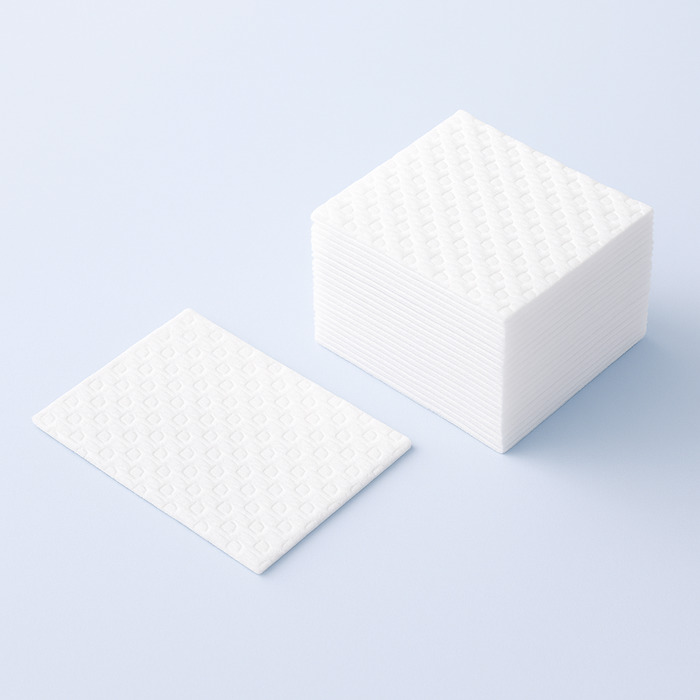
Unlike woven materials that fray and degrade, spunlace nonwoven fabrics maintain their structural integrity through hydroentanglement technology—a process where high-pressure water jets interlock fibers at microscopic levels. This creates a fabric that resists tearing while maintaining perfect porosity, even when handling dense, heavy growth media.
The true innovation in advanced fabric systems extends far beyond mere plant containers. Modern agricultural fabrics create integrated ecosystems that address multiple environmental factors:
Spunlace Nonwoven Plant Frost Protection Cover technology represents a breakthrough in seasonal extension. Unlike solid plastics that create damaging condensation and temperature spikes, these precision-engineered fabrics provide microclimate moderation through balanced insulation and breathability.
Laboratory testing demonstrates that these covers maintain temperatures 3-5°C above ambient conditions while permitting 85% light transmission—critical for continued photosynthesis during protection events. The material’s microscopic pores allow gradual humidity exchange, preventing the rapid temperature drops that occur with non-breathable materials when frost conditions develop.
The physical barrier properties of nonwoven fabrics provide an effective defense against soil-borne pathogens and airborne pests. The dense fiber network blocks fungal spores and bacteria while allowing air and moisture penetration—an impossible combination with solid materials. This reduces pesticide requirements by creating a physical rather than chemical barrier against infestation.
For commercial controlled environment operations, fabric culture systems deliver compounding advantages through system-level benefits:
The flexible nature of fabric containers enables unprecedented space utilization. Unlike rigid pots that waste valuable growing area with fixed geometries, fabric bags can be configured in vertical arrays, mobile systems, and high-density arrangements that increase planting density by 25-40% within the same footprint.
The breathable walls of fabric containers allow direct monitoring of root development and moisture levels without disturbing the growth medium. This facilitates data-driven irrigation decisions and provides early detection of root health issues before they manifest in canopy symptoms.
Advanced fabric systems integrate seamlessly with automated watering and nutrient delivery systems. The consistent drainage characteristics and uniform moisture distribution prevent localized dry spots or saturation that complicate automated irrigation management.
The environmental implications of fabric culture systems extend beyond their reusable nature. The most significant sustainability advancements include:
High-performance grow bags maintain functionality for 3-5 growing seasons, effectively replacing 50+ single-use plastic containers over their lifespan. This radical reduction in plastic waste represents a fundamental shift toward circular agriculture principles.
The lightweight nature of fabric systems generates substantial carbon savings throughout the supply chain. A shipment of fabric containers represents approximately 20% the weight and volume of equivalent plastic pots, reducing transportation emissions proportionally.
Advanced materials now offer biodegradable options that decompose 30-70% faster than traditional synthetics. These plant-based fiber blends provide commercial-scale sustainability without compromising performance durability.
Rigorous testing under controlled conditions has quantified the performance advantages of advanced fabric systems:
Comparative trials demonstrate a 92% reduction in root circling and a 65% increase in fine root mass development compared to plastic containers. This radical improvement in root architecture translates directly to enhanced nutrient uptake and growth rates.
Commercial-scale evaluations document 30% yield increases for crops including tomatoes, peppers, and leafy greens following the transition to fabric culture systems. These gains reflect the combined benefits of superior root health, optimal moisture management, and improved thermal conditions.
Accelerated lifespan testing confirms that advanced nonwoven fabrics retain 95% of tensile strength after 50+ use cycles. This durability ensures consistent performance across multiple growing seasons without degradation of functional properties.
The transition to fabric-based culture systems requires specific implementation strategies:
The optimal performance of fabric systems depends on appropriate media characteristics. Soilless blends with high porosity and structural stability—typically based on coco coir, perlite, and vermiculite combinations—maximize the advantages of breathable container walls.
While fabric containers reduce watering frequency requirements, they benefit from more precise irrigation control. Capillary mat systems, drip irrigation, and sub-irrigation approaches achieve superior results by maintaining consistent moisture levels without saturation.
Different crop species realize varying benefits from fabric culture systems:
The ongoing innovation in fabric culture systems focuses on several emerging frontiers:
Next-generation fabrics incorporate conductive fibers that monitor root zone conditions and transmit real-time data on moisture, temperature, and nutrient levels. This creates an integrated sensing network without additional hardware implantation.

Advanced materials under development manipulate light spectra to influence plant growth characteristics. Photon-modifying fabrics can filter specific wavelengths to control plant morphology, flowering timing, and nutritional content.
Surface-treated fabrics with beneficial microbial communities establish symbiotic relationships with root systems from the moment of planting. These pre-inoculated systems accelerate establishment and enhance disease resistance.
Within this innovative landscape, Weston Manufacturing has advanced fabric culture technology through several proprietary developments:
The Soilless Cultivation Grow Bags incorporate a composite material structure that balances mechanical strength with precisely calibrated porosity. The company’s manufacturing process enables custom grammage profiles that vary material thickness according to stress points and functional requirements.
For climate protection applications, Spunlace Nonwoven Plant Frost Protection Cover products provide graduated insulation based on geographic needs—lighter 15-30gsm variants for moderate climates and heavy-duty 90-120gsm materials for extreme conditions. This technical specificity prevents both under-protection and excessive insulation that could trigger unwanted temperature spikes.
Beyond primary cultivation products, the company’s material expertise extends to complementary applications including Pink Nonwoven Material For Wet Wipes and Duprotex Nonwoven Fabric For Plant Cultivation—demonstrating how advanced textile engineering creates synergies across agricultural and industrial domains.
The integration of these technologies creates a comprehensive fabric-based ecosystem that supports every aspect of modern CEA—from propagation to protection, from containerization to coverage. This holistic approach represents the future of controlled environment agriculture: systems where materials actively contribute to plant health rather than passively containing growth media.
Professional buyers interested in evaluating these advanced fabric systems can request free samples and technical specifications through [email protected]. The company provides comprehensive support for commercial implementation, including crop-specific recommendations, irrigation integration guidance, and lifecycle cost analysis.

WESTON
Privacy Policy | SiteMap
Copyright WESTON