- Email: [email protected]


Maintaining cleanliness in high-traffic commercial, industrial, or public spaces is a constant challenge. Floors in such environments are subjected to relentless abuse—from abrasive dirt and moisture to chemical spills and heavy footfall. Traditional cleaning methods often fall short, leading to accelerated wear, safety hazards, and a perpetually unclean appearance. The secret to achieving and maintaining spotless floors under such demanding conditions lies in a tool that is often overlooked yet fundamentally critical: the industrial-grade floor wipe.
This article delves into the scientific, functional, and practical rationale behind utilizing specialized wipes, moving beyond conventional mops and cloths to explore a solution engineered for performance, durability, and hygiene.
High-traffic areas—such as hospital corridors, airport terminals, warehouse aisles, school hallways, and retail spaces—present a multifaceted cleaning problem. The challenges are not merely about volume but about the complex nature of the contaminants and the physical stress on the flooring material.
Abrasive Particulate Matter: Every person entering a building carries in exogenous debris on their footwear—microscopic silica, asphalt, and organic matter. This grit acts like sandpaper, mechanically scouring and microscratching the floor’s finish with every step. Over time, this dulls the appearance, weakens the protective coating, and creates micro-grooves that harbor more dirt and bacteria, making subsequent cleaning less effective.
Moisture and Spillage Management: Spills are inevitable. However, the real issue is the quantity and timing of moisture application during cleaning. Traditional string mops hold excessive water, which can seep into seams of hard flooring, damaging subfloors, promoting microbial growth, and leaving behind streaks and residues as they dry. Furthermore, a wet mop head essentially becomes a vehicle for cross-contamination, spreading soil from one area to another.
Microbiological Load: High-traffic zones are hotspots for pathogenic microorganisms—bacteria, viruses, and fungi. Inadequate cleaning tools can redistribute these pathogens instead of eliminating them. The goal is not just visual cleanliness but hygienic efficacy, which requires a tool designed to capture and retain microbes.
Operator Efficiency and Ergonomics: The cleaning process itself must be efficient and safe for the staff. Cumbersome equipment, frequent rinsing, and ineffective tools lead to longer cleaning times, physical fatigue, and inconsistent results.
Understanding these deep-seated problems is the first step. The solution requires a tool designed not as a generic commodity but as a precision instrument to address each of these points.

The efficacy of a wipe is determined by its substrate—the nonwoven fabric from which it is made. Not all nonwovens are created equal. The manufacturing process, fiber composition, and structural engineering dictate its performance.
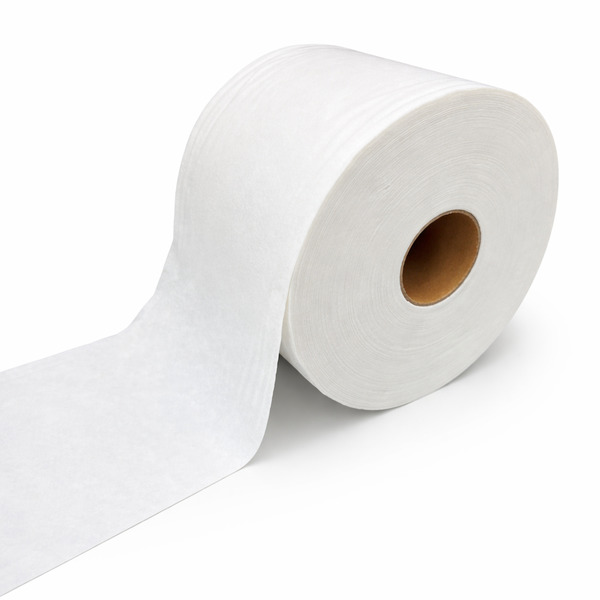
The Spunlace Process (Hydroentanglement): This advanced manufacturing technique uses high-pressure jets of water to entangle webs of fibers, creating a fabric that is exceptionally strong, soft, and absorbent without the use of chemical binders. This results in a cloth with a unique combination of properties: high tensile strength (resistance to tearing during use), loft (a three-dimensional structure for superior liquid absorption and particle entrapment), and a smooth surface that is non-abrasive on delicate finishes. This makes spunlace nonwovens the gold standard for high-performance cleaning tasks.
Fiber Technology: Premium industrial wipes often incorporate a blend of fibers, such as cellulose for absorbency and softness, and polyester for strength and scrubbing power. The specific blend and weight (grams per square meter) are calibrated for the intended task. A wipe designed for heavy grime will have a more robust, textured structure, while one for polished surfaces will have a smoother, lint-free finish.
An industrial-grade wipe functions through a combination of mechanical and capillary action, engineered to be more effective than a simple cloth.
Mechanical Soil Removal: The textured surface of a high-quality wipe provides gentle abrasion to dislodge adhered particles without damaging the floor’s sealant. The fibrous matrix acts like a microscopic network of hooks, capturing and locking in dust, hair, and grit instead of pushing it around. This is a critical advantage over flat-woven cloths or mops.
Capillary Action and Absorption: The engineered spaces between the fibers create a powerful capillary effect, drawing liquid and dissolved soils up into the core of the wipe. High-capacity wipes can hold many times their weight in liquid, allowing for a larger area to be cleaned before the wipe becomes saturated and ineffective. This contrasts sharply with a mop, which requires frequent wringing and leads to inconsistent moisture application.
Chemical Compatibility and Application: A superior wipe acts as an optimal delivery system for cleaning chemicals. It applies the solution evenly and controls its release, preventing pooling and ensuring proper dwell time for the chemistry to work. It then efficiently removes the emulsified soil and chemical residue, leaving a truly clean, streak-free surface without any film buildup.
A key innovation in professional cleaning is the move away from generic “all-purpose” cloths toward task-specific engineered wipes. Each high-traffic environment demands a tailored solution.
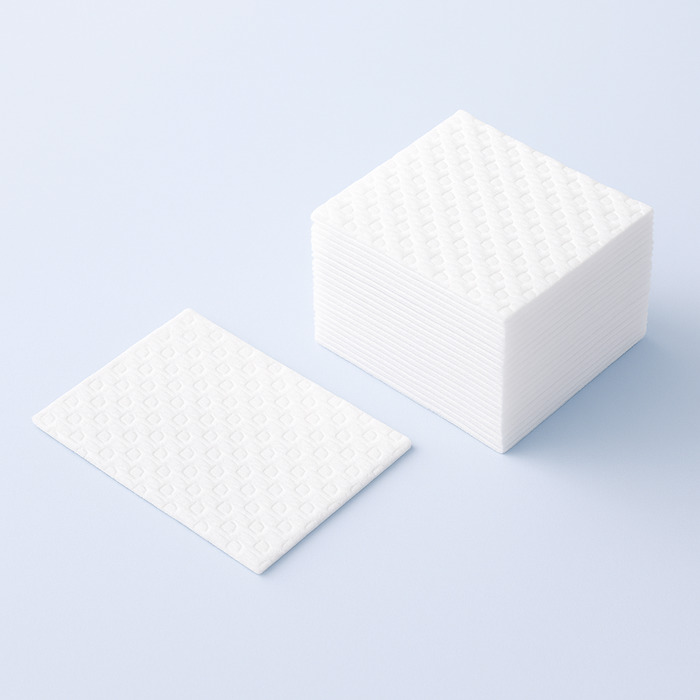
For Premium Hard Surfaces: Maintaining the aesthetic and physical integrity of sealed hardwood, laminate, LVT, and other polished floors requires a wipe that cleans effectively without compromising the finish. A specialized Hardwood Floor Wipe is designed to be exceptionally soft and non-scratching, highly absorbent to avoid streaking, and lint-free to prevent secondary contamination. It protects the investment in high-end flooring by preserving its finish and appearance.
For Complementary Surfaces: Floors are not cleaned in isolation. Baseboards, walls, furniture, and fixtures in the same high-traffic area accumulate dust and grime. Using the same abrasive cloth used on the floor on a polished desk is a recipe for damage. This is where specialized Furniture Cleaning Cloths come into play. Designed for finer surfaces, they offer a softer touch while still providing excellent dust attraction and absorption, ensuring a comprehensive clean without cross-contamination or surface damage.
For the Most Demanding Tasks: Some areas, like industrial workshops, garage bays, or loading docks, face challenges beyond ordinary dirt—grease, oil, adhesives, and heavy, caked-on grime. A standard wipe will fail. An Abrasive Hand Cleaning Spunlace Cloth is engineered for this purpose. Incorporating durable, scrubbing fibers in a robust spunlace base, it provides the necessary mechanical action to break down tough soils while remaining safe for use on hands and equipment, offering a powerful cleaning solution without the need for metal scrubbers that can cause damage.
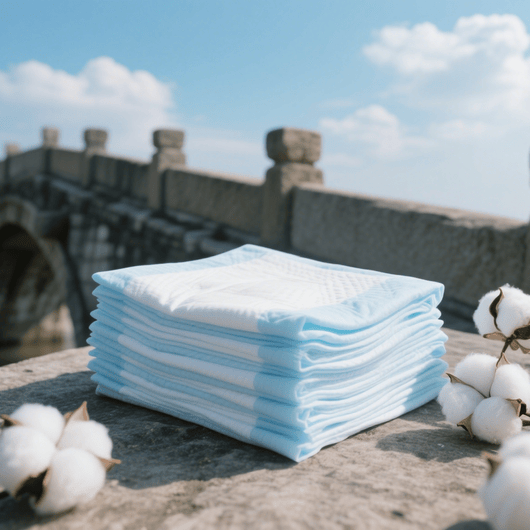
The Workhorse Solution: The cornerstone of any high-traffic cleaning program is a wipe built expressly for the challenge. True Floor Wipes for High Traffic Areas represent the pinnacle of this specialization. They are typically heavier weight, feature a more pronounced texture for agitating soil, possess superior tensile strength to withstand pressure and pulling, and have the highest absorption capacity to cover more ground efficiently. They are the engineered answer to the four challenges outlined at the beginning: they capture abrasive particles, control moisture, reduce microbial load, and enhance operator ergonomics.
Adopting a system of industrial-grade wipes delivers a cascade of benefits that impact operations, safety, and the bottom line.
Enhanced Safety: A truly clean floor is a safe floor. Effective removal of grease, water, and particulate matter drastically reduces slip-and-fall risks, a primary source of liability in public and commercial spaces.
Long-Term Asset Protection: By eliminating the abrasive damage caused by pushing grit across floors with inferior tools, high-quality wipes preserve the floor’s finish and extend its service life, delaying costly repairs and refinishing.
Hygiene and Public Health: Especially in a post-pandemic world, the ability of a tool to remove and contain pathogens is paramount. Disposable wipes, used in a “one-area, one-wipe” protocol, are the most effective method for preventing cross-contamination and ensuring hygienic standards.
Operational Efficiency and Sustainability: The time saved by not rinsing mop buckets, wringing mops, or making multiple passes over the same area translates into significant labor savings. Furthermore, when compared to the water, energy, and chemical consumption of traditional mopping systems, a controlled wiping system can offer a more sustainable and environmentally conscious cleaning model by reducing resource waste.

The transition to an industrial-grade wiping system requires a shift in perspective, viewing wipes not as a consumable expense but as a critical investment in facility management. The most effective programs utilize a color-coded or task-specific system, deploying the right wipe for the right job to maximize results and prevent cross-contamination.
Forward-thinking manufacturers like Weston Manufacturing focus their expertise on developing precisely these kinds of specialized solutions. Their product development is driven by the material science of spunlace nonwovens, creating purpose-built tools that meet the rigorous demands of professional buyers. For facilities managers seeking to elevate their cleaning standards, evaluating the performance of true industrial-grade wipes is a necessary step.
To experience the tangible difference a scientifically engineered wipe can make, we invite you to test them in your own environment. Request a free sample tailored to your specific challenges by contacting our team at [email protected]. Put our Hardwood Floor Wipes, Furniture Cleaning Cloths, Abrasive Hand Cleaning Spunlace Cloths, and flagship Floor Wipes for High Traffic Areas to the test and witness the transformation in cleanliness, efficiency, and floor preservation.
WESTON
Privacy Policy | SiteMap
Copyright WESTON