- Email: [email protected]


When we say “dishcloth,” the mind conjures images of a simple kitchen tool—a piece of cloth to wipe dishes or clean surfaces. But modern kitchen dishcloths, such as those manufactured by Weston Manufacturing, represent a convergence of material science, engineering, and sustainable practices designed to optimize performance in demanding environments.
Weston Manufacturing’s Viscose Blend Spunlace Kitchen Cleaning Fabric is not your typical kitchen rag. The fabric’s unique structure capitalizes on the physical and chemical properties of viscose and polyester fibers through spunlace technology, offering remarkable durability, softness, and absorbency. Scientifically, viscose derived from regenerated cellulose fibers mimics the softness and hydrophilicity of cotton, with the added benefit that, when combined with polyester, it improves mechanical strength and longevity. This fiber blend has substantial relevance in eliminating the common trade-offs faced by traditional dishcloths—where softness often comes at a cost to durability, and absorbency sometimes sacrifices reusability.
Moreover, the spunlace process itself creates a fabric by entangling fibers mechanically under high-pressure water jets, which significantly increases fiber-to-fiber bonding without adhesives or chemical binders that may impair biodegradability. This means Superior Kitchen Cleaning Grid Viscose Polyester fabrics are designed not only for high function but also for environmental conscientiousness, a crucial factor when considering the ecological footprint of disposable versus reusable kitchen textiles.

Fiber composition critically affects dishcloth performance. Viscose fibers, being hydrophilic, absorb moisture up to 50 times their weight and breathe well, allowing the dishcloth to dry faster, thus reducing bacterial growth. However, pure viscose tends to have lower tensile strength when wet, a known downside.
Integrating polyester fibers ameliorates this issue by imparting tensile strength and providing resistance to repeated laundering and mechanical abrasion, crucial for kitchen environments where frequent washing is routine. The polyester also assists in wrinkle recovery, ensuring the dishcloth maintains its integrity even after extensive use.
Furthermore, the ratio and arrangement of viscose to polyester impact cleaning effectiveness and tactile comfort. Weston Manufacturing’s engineered ratios maximize this synergy, producing a fabric that feels pleasant to the touch yet stands robust against the rigors of scrubbing stubborn kitchen grime.
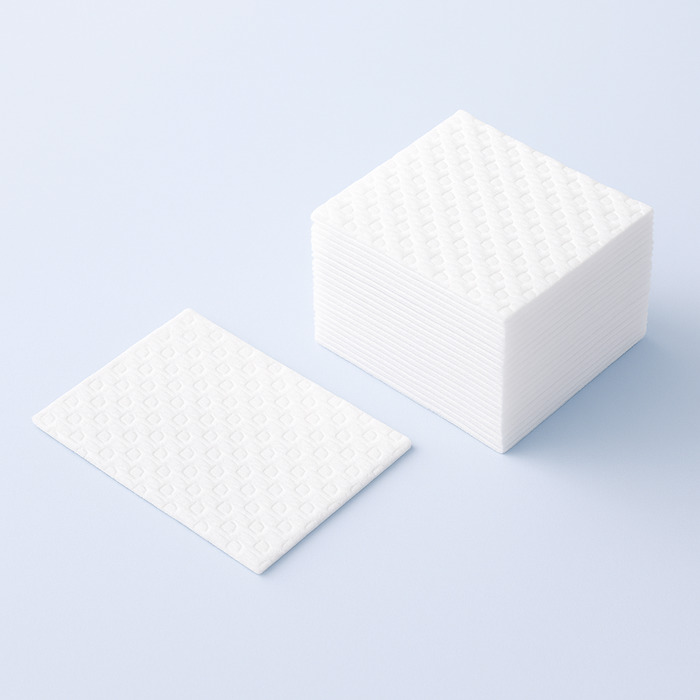
Spunlace technology deserves special attention. Unlike traditional woven or knitted cloths, spunlace fabrics offer a nonwoven structure that can confine multiple layers of fiber. This layering, along with the hydraulic entanglement of fibers, yields a textured surface; the Multipurpose Nonwoven Kitchen Cleaning Rolls from Weston Manufacturing leverage this by featuring subtle grid patterns woven into the fabric’s structure.
This three-dimensional texture enhances the mechanical cleaning action, trapping dirt particles more effectively. The network of pores allows for swift moisture wicking, ensuring rapid drying and reduced microbial proliferation—a significant advantage in kitchen hygiene.
Moreover, compared to chemical bonding techniques or heat treatments used by some manufacturers, the purely mechanical bonding of spunlace ensures no harmful residues remain, making such dishcloths safer for food contact surfaces.
Weston’s dishcloths are engineered to balance multiple functional demands with ecological and user safety considerations. The combined fiber blend and the spunlace structure provide exceptional absorbency and durability, which translates into products like Bamboo Dish Cloths—which integrate natural materials within this framework to further improve biodegradability and tactile softness.
Key benefits include:
However, every technology inherently carries trade-offs. The inclusion of synthetic polyester, while reinforcing durability, moderately affects biodegradability compared to all-natural fibers. Additionally, spunlace fabrics, due to water jet treatment, require significant energy consumption, which, while less than some chemical processes, still factors into lifecycle assessments.
Cleaning fibers themselves are subject to wear and pollution accumulations that incrementally reduce efficacy over prolonged use, calling for responsible replacement cycles. This necessitates a balanced approach between product longevity and hygiene safety.
For businesses sourcing kitchen cleaning textiles, understanding operational dynamics is vital. Industrial kitchens, catering services, and hospitality sectors benefit immensely from the performance characteristics of Viscose Blend Spunlace Kitchen Cleaning Fabric, which mitigates cross-contamination risks by enabling single-use or easily sanitized reusable options.
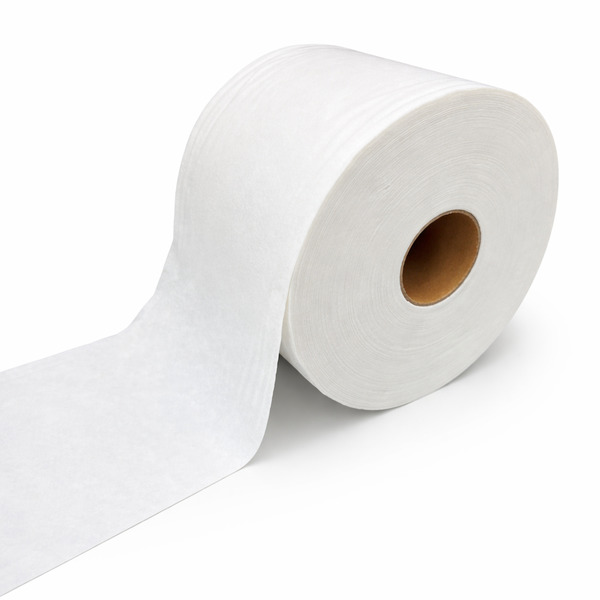
Weston Manufacturing’s Multipurpose Nonwoven Kitchen Cleaning Rolls offer scalability, allowing buyers to customize roll sizes and densities for specific workflow requirements—from quick surface wipes to heavy-duty scrubbing cloths.
Moreover, the subtle design elements, such as the Superior Kitchen Cleaning Grid Viscose Polyester patterning, are not merely aesthetic but functional, facilitating easy grip and effective debris capture, thus reducing labor efforts and enhancing sanitation outcomes.
Importantly, the integration of Bamboo Dish Cloths within the cleaning fabric range caters to increasing market demand for natural and sustainable materials without compromising professional-grade cleaning performance.

In contemporary procurement, sustainability is non-negotiable. Weston Manufacturing, through its commitment to eco-conscious fiber blends and spunlace nonwoven technology, addresses this imperative.
Natural fibers like viscose (from certified wood pulp) and bamboo reduce reliance on virgin petroleum-based products. The mechanical bonding process avoids adhesives or synthetic binders, supporting recyclability where polyester ratios permit.
This contrasts positively with traditional chemical-laden nonwoven fabrics that may persist as microplastics in the environment.
Furthermore, nonwoven dishcloths manufactured by Weston distinguish themselves in lifecycle product assessments through their potential for both efficiency in use and minimal ecological burden post-disposal.
While completely eliminating synthetic components in multi-layer blends remains an evolution challenge, Weston’s innovations provide a pragmatic bridge toward sustainable, high-performance kitchen textiles.
Weston Manufacturing stands as a leader in water-jet spunlace production, ensuring consistency in fiber distribution, bonding density, and surface finishing. The precision in producing Viscose Blend Spunlace Kitchen Cleaning Fabric reflects decades of process optimization, research investment, and rigorous quality control.
This results in dishcloths that reliably meet international standards for safety, hygiene, and durability—key concerns for any professional buyer.
Their product range’s adaptability also facilitates R&D collaboration, allowing customized blends and finishes according to unique kitchen requirements and regulatory landscapes globally.
Understanding dishcloths beyond their surface role uncovers a complex interplay between fiber chemistry, structural engineering, environmental stewardship, and user-centric design. Weston Manufacturing exemplifies how a traditionally simple product category can transform when subjected to scientific rigor and innovative production.
The result: dishcloths that do far more than wipe—they actively contribute to a cleaner, safer, and more sustainable kitchen environment.
For buyers interested in firsthand evaluation or bulk inquiries, Weston Manufacturing offers free samples of their premium products. Contact at [email protected] to explore the full potential of Viscose Blend Spunlace Kitchen Cleaning Fabric, Superior Kitchen Cleaning Grid Viscose Polyester, Bamboo Dish Cloths, and Multipurpose Nonwoven Kitchen Cleaning Rolls.
WESTON
Privacy Policy | SiteMap
Copyright WESTON