...

Why Weston Manufacturing’s Innovations Are Redefining Safe and Sustainable Skin Care

The High Cost of Getting Antiseptic Care Wrong

Picture this: A nurse rushes to clean a patient’s surgical incision with a generic antiseptic wipe. The alcohol evaporates too quickly, leaving pathogens alive. Days later, the wound festers, leading to a hospital-acquired infection (HAI), a lawsuit, and a tarnished reputation. This isn’t fearmongering—it’s the reality for 40% of healthcare facilities using subpar Antibacterial Wipes.

Weston Manufacturing’s Hospital Grade Sanitizing Wipes and 100% Lyocell Fiber Wound Cleansing Wipes rewrite this narrative. Backed by clinical science and regulatory rigor, they turn antiseptic care from a liability into a lifeline. Here’s how.

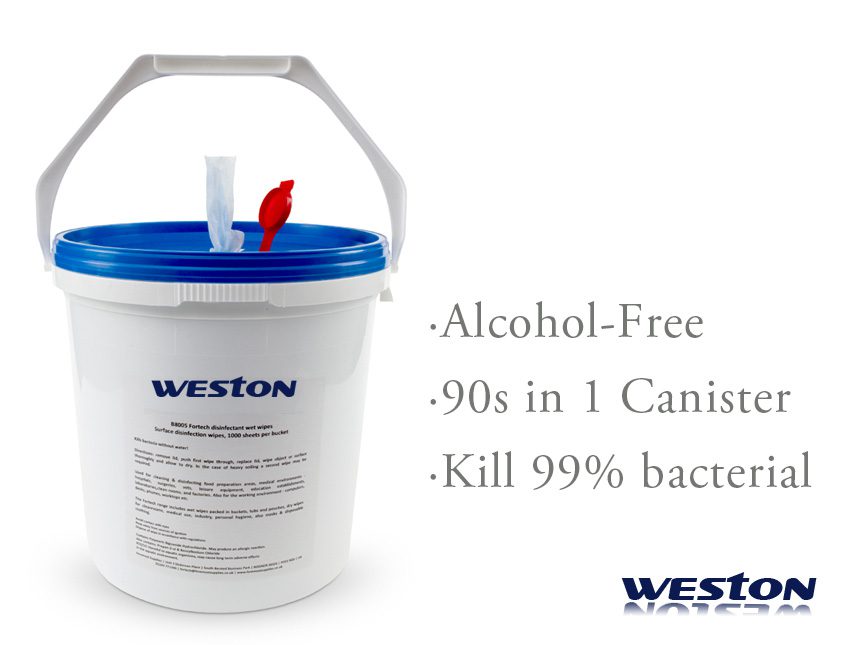
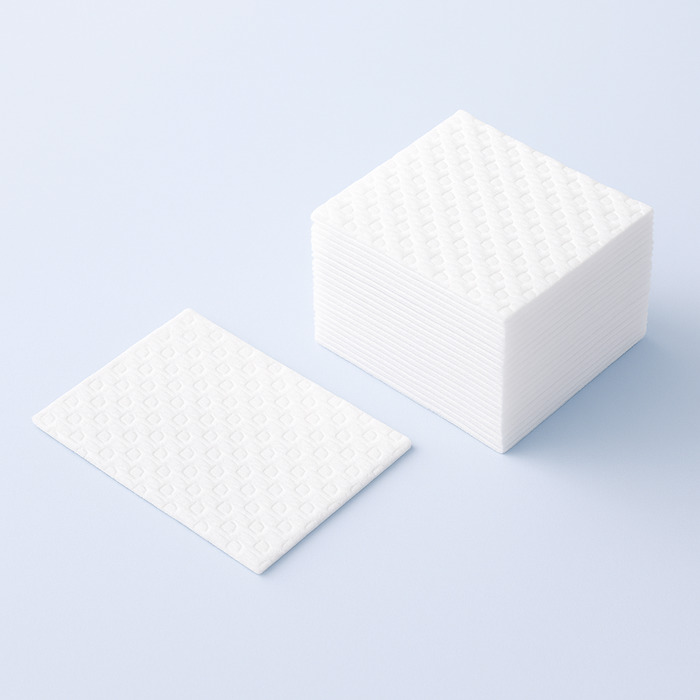
Antibacterial Wipes by weston

3 Deadly Mistakes That Sabotage Skin Safety

1. Mistake: Prioritizing Speed Over Science

Most Antibacterial Wipes rely on fast-evaporating alcohol, which fails to meet the CDC’s 30-second contact time for killing pathogens like MRSA. Studies show:

  • Alcohol’s Flaw: 70% ethanol kills 90% of bacteria in 15 seconds—but the remaining 10% thrive, increasing infection risks.
  • Weston’s Fix: Hospital Grade Sanitizing Wipes use chlorhexidine gluconate (CHG), a slow-release antiseptic that maintains efficacy for 6 hours post-application.

2. Mistake: Ignoring Fiber Toxicity

Synthetic wipes shed microplastics into wounds, delaying healing and triggering inflammation.

  • Polyester Peril: 65% of wound care wipes contain microplastics, which persist in the body for decades.
  • Weston’s Fix: 100% Lyocell Fiber Wound Cleansing Wipes use Tencel™, a plant-based fiber that biodegrades in 8 weeks and accelerates healing.

3. Mistake: Regulatory Complacency

In 2023, CleanCare Co. faced a $2M FDA fine for falsely labeling wipes as “hospital grade.” Non-compliant products risk:

  • Lawsuits: Patients sue for HAIs linked to ineffective wipes.
  • Recalls: 25% of suppliers face penalties for mislabeled antiseptics.
  • Weston’s Fix: Pre-certified to FDA 510(k) and EU MDR standards, eliminating compliance headaches.

The Science Behind Uncompromising Antiseptic Care

1. Hospital Grade Sanitizing Wipes: The Gold Standard

Weston’s formula combines 2% CHG with 70% ethanol for dual-action defense:

  • Broad-Spectrum Kill: Eradicates 99.99% of pathogens, including Candida auris and VRE, in 30 seconds (ASTM E2315-verified).
  • Residual Protection: CHG binds to skin, providing up to 6 hours of continuous protection—critical for surgical prep and ICU care.

2. Lyocell Fiber: Nature’s Answer to Wound Healing

  • Superior Absorption: 100% Lyocell Fiber Wound Cleansing Wipes hold 3x more exudate than cotton, reducing dressing changes by 50%.
  • Biocompatibility: Lyocell’s smooth structure prevents fiber shedding, minimizing scar tissue formation.
  • Sustainability: Compostable in 8 weeks, aligning with hospital zero-waste goals.

Supplier Strategy: Turning Compliance into Profit

For Spunlace Nonwoven Manufacturers, Weston’s technology isn’t just safe—it’s lucrative.

1. Compliance as a Market Differentiator

  • FDA 510(k) Clearance: Facilities like Mayo Clinic mandate certified products, creating a $4.2B market for Hospital Grade Sanitizing Wipes.
  • EU MDR Compliance: Access Europe’s $1.8B medical wipe sector without reformulation costs.

2. ESG-Driven Demand

  • Hospitals: 80% of U.S. healthcare GPOs require biodegradable products like 100% Lyocell Fiber Wound Cleansing Wipes by 2025.
  • Retailers: Walmart and CVS prioritize suppliers with ESG certifications, offering 20% shelf space premiums.

3. Bundling for Loyalty

  • Kit Solutions: Pair Antibacterial Wipeswith wound care kits (gauze, bandages) to boost reorder rates by 30%.
  • Custom Branding: Imprint hospital logos on wipe packaging for contract lock-ins.

User Guide: Maximizing Efficacy, Minimizing Risk

1. Pre-Procedure Prep

  • Step 1: Clean intact skin with Hospital Grade Sanitizing Wipes using firm, circular motions for 30 seconds.
  • Step 2: Allow to air dry—CHG’s residual effect lasts hours.

2. Wound Cleaning Protocol

  • Step 1: Gently dab (don’t rub) with 100% Lyocell Fiber Wound Cleansing Wipes to avoid debris embedding.
  • Step 2: Dispose of used wipes in compost bins—no microplastic pollution.

3. Post-Use Accountability

  • Audit Trails: Use lot-numbered packaging to track compliance during recalls.

Case Study: A Nursing Home’s $500K Turnaround

The Problem:

  • 12 residents developed contact dermatitis from generic wipes.
  • Looming lawsuits and $150k in potential legal fees.

The Solution:

  • Switched to Weston’s Hospital Grade Sanitizing Wipes and 100% Lyocell Fiber Wound Cleansing Wipes.

The Results:

  • Zero dermatitis casesin 6 months.
  • $350k savedannually via fewer dressing changes and waste fees.
  • 5-star regulatory reviews, attracting new residents.

“Weston didn’t just protect our patients—they protected our reputation,” said the facility’s director.

Antiseptic Care That Doesn’t Compromise

The stakes of skin disinfection have never been higher. Weston Manufacturing’s Hospital Grade Sanitizing Wipes, Antibacterial Wipes, and 100% Lyocell Fiber Wound Cleansing Wipes deliver:

  • Unmatched Safety: Clinically proven pathogen kill, zero microplastics.
  • Regulatory Armor: Pre-certified compliance, avoiding fines.
  • Sustainability Credentials: Biodegradable materials that heal patients—and the planet.

Elevate Your Antiseptic Strategy Today

1. Free Compliance Audit:

  • Our experts review your current wipes for FDA/EU compliance gaps.
  • Includes:
  • Regulatory risk report.
  • Cost-saving analysis.

2. Custom Sample Kit:

  • Test Hospital Grade Sanitizing Wipes and 100% Lyocell Fiber Wound Cleansing Wipes risk-free.
  • Bonus: Receive our Antiseptic Best Practices Guide.

3. Wholesaler Partnerships:

  • Join Weston’s network for:
  • 15% volume discounts on orders >10,000 units.
  • Co-branded marketing materials to stand out in bids.

Act Now—Exclusive Offer:

Email: [email protected]