- Email: [email protected]


We’ve all been there. You float home after a fabulous night out, your lashes perfect, your spirit soaring. You collapse into bed, dreaming sweet dreams. Morning arrives, and with it, the harsh reality: a crusty, stubborn, and unmistakable patch of eyelash glue glaring at you from your pristine bedsheets. Your first instinct might be to pick, scratch, or peel. Stop right there. That path leads only to frayed fibers, tiny holes, and a profound sense of regret. Consider this your intervention. We’re not just cleaning a stain; we’re engaging in a microscopic demolition project. Let’s get scientific, get smart, and get that glue out.
To defeat any foe, you must first understand it. Eyelash glue isn’t a simple “stain” like wine or dirt; it’s a hardened adhesive fortress. Calling it a “glue” is an understatement. It’s a tiny, solidified chemical bond, and your mission is to dismantle it without destroying the village—your sheets—in the process.
Most mainstream lash adhesives are cyanoacrylates. This sounds complex, but the concept is brilliantly simple. In the bottle, these molecules float around harmlessly. The moment they’re squeezed out and meet the water vapor in the air, they undergo a rapid chemical reaction called anionic polymerization. Think of it as a million tiny Lego blocks suddenly and irrevocably snapping together into an incredibly strong, plastic-like mesh. This mesh latches onto the individual fibers of your bed sheets, creating that rock-solid bond.
Other adhesives, often marketed as sensitive, might be latex-based. These work more like a physical, super-sticky paste that dries out. While still annoying, they are generally less tenacious than their cyanoacrylate cousins.
The golden rule of removal stems from this fundamental understanding: you must break the chemical or physical bonds without breaking the fabric’s bonds. This isn’t about scrubbing harder; it’s about scrubbing smarter.
The key to success is escalation. Always start with the gentlest method and work your way up. This “Calm Bomb Disposal” protocol saves your sheets from unnecessary harsh treatment.
This phase is all about finesse, not force. We use chemistry to our advantage.
The Oil Method (The “Like Dissolves Like” Principle)
This is your go-to, your MVP, your kitchen-counter hero. The scientific principle at play is “like dissolves like.” The hardened cyanoacrylate polymer is an organic, oil-like substance itself. By applying a friendly oil, you’re essentially re-plasticizing it. The oil molecules worm their way into the polymer mesh, swelling it, softening it, and convincing it to release its grip on the fabric fibers.

Your Mission, Should You Choose to Accept It:
If the oil method made a dent but didn’t secure total victory, it’s time to bring in reinforcements: heat and solvents.
The Heat Attack (Thermal Degradation)
Polymers have a weakness: they soften with heat. By applying controlled heat, you’re essentially lowering the adhesive’s glass transition temperature, making it pliable and less sticky.
The Iron Maneuver (Caution: Not for Delicate Fabrics!):
The Solvent Strike (Chemical Intervention)
This is your precision strike. Isopropyl alcohol (rubbing alcohol, 70% or higher) is a potent organic solvent. It can disrupt the surface of the cyanoacrylate polymer, causing it to break down and dissolve.
The Surgical Procedure:
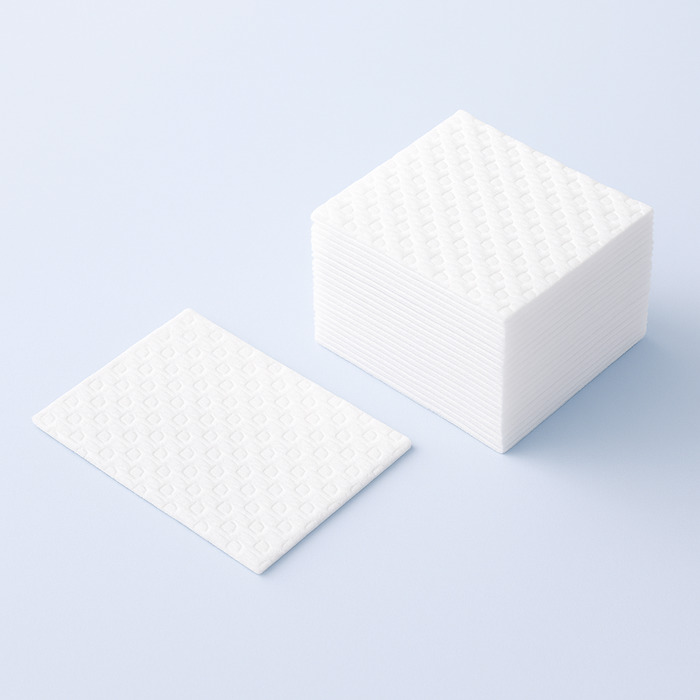
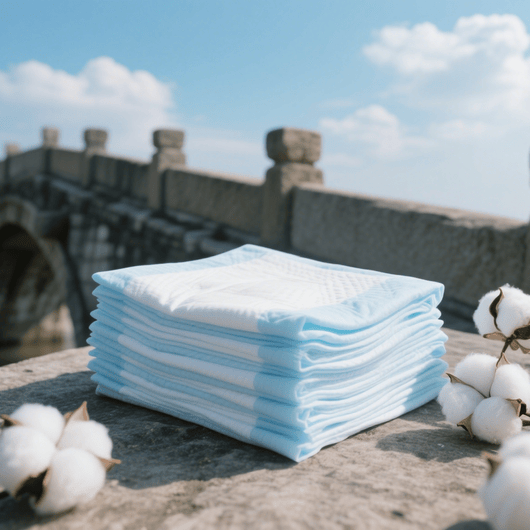
Sometimes, a stain is so set-in, so ancient, or so large that household methods feel futile. This is when you call in the professionals, not with a phone call, but with a specialized product designed for the task. For the most stubborn, set-in battles, a targeted solution can be the difference between victory and surrender. Think of specialized formulations built for this exact purpose. For instance, pre-moistened Eyelash Glue Remover Pads are engineered to break down lash adhesive quickly and safely on skin, and their gentle yet effective formulation can often be a last-resort miracle for fabric, following a spot test, of course. It’s what the pros use.
Once the glue is gone, the mission isn’t quite over. Always run your sheets through a normal wash cycle with a gentle detergent to remove any residual oil, solvent, or adhesive breakdown products. This ensures you’re sleeping on a truly clean surface.
Now, let’s talk prevention, because the best way to win a war is to avoid the battle altogether.
A glue-stained sheet is a minor annoyance, not a life sentence. With a little scientific know-how and a calm, methodical approach, you can restore your bedding to its former glory. Remember the hierarchy: start gentle with oil, escalate to heat or alcohol with caution, and know that there are professional-grade tools like Eyelash Glue Remover Pads for the toughest jobs. Embrace the pre-bed towel trick as your new holy grail. Your lashes are meant to make you feel glamorous, not leave a mark of chaos on your linens. Now go forth and sleep soundly, knowing you’re armed with the knowledge to handle any late-night beauty mishap.
Curious about professional-grade solutions? Weston Manufacturing is committed to developing effective, safe products for beauty maintenance. For a limited time, you can request a free sample of our Eyelash Glue Remover Pads to experience the difference for yourself. Reach out to us at [email protected] to learn more.
WESTON
Privacy Policy | SiteMap
Copyright WESTON