- Email: [email protected]


Food safe wipes help you clean your kitchen effectively while keeping it safe. About 38.5% of dishes remain dirty due to improper cleaning methods. Choosing wipes with plant-based ingredients allows you to avoid harsh chemicals and potential skin irritants.
| Type of Wipe | Common Ingredients | Pros | Cons |
| Plant-Based Wipes | Aloe, Citric Acid, Sodium Benzoate | Gentle, biodegradable | Some formulas vary |
| Conventional Wipes | Fragrance, Parabens | Strong cleaning | More skin irritation |
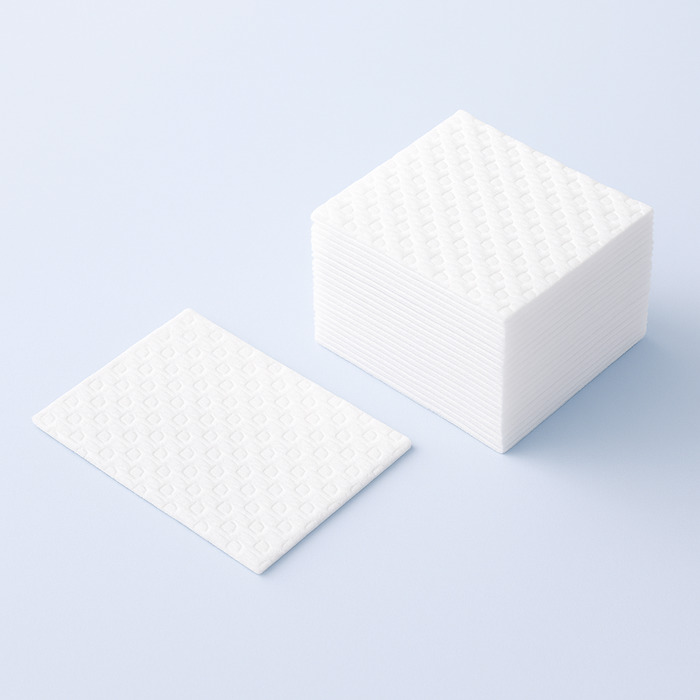
Always look for labels with food-safe certification. After using wipes, rinse surfaces and follow up with a food-safe sanitizer. Consider using Weston’s spunlace non-woven wipes for effective cleaning.
Selecting the right food safe wipes is crucial for maintaining a clean kitchen. Check the label for “food safe” certification, indicating they are suitable for food preparation areas. Wipes with plant-based ingredients are gentler on your skin and often made from natural fibers like bamboo or wood pulp, which break down easily and are environmentally friendly.
| Feature | Description |
| Efficiency in Killing Germs | Wipes should effectively eliminate a wide range of germs. |
| Surface Compatibility | Wipes must be safe for use on various surfaces without causing damage. |
| Absorbency and Durability | High absorbency and durability help you clean faster and save money. |
| Safety and Skin Sensitivity | Wipes should be gentle to prevent skin irritation, especially for frequent users. |
Tip: Always opt for low-lint, food-grade wipes to prevent the spread of germs and enhance kitchen safety.
Plant-based wipes not only clean effectively but also use natural fibers that decompose faster, making them a safer choice for your family and the planet. Regular wipes, often made from synthetic materials, can contribute to landfill waste and ocean pollution.
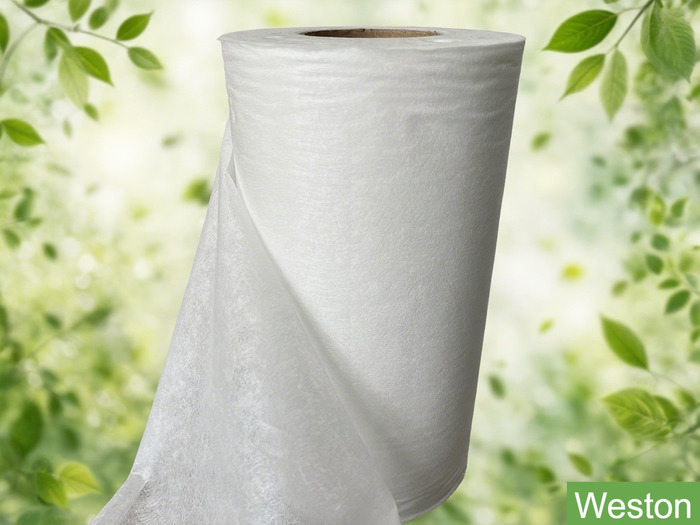
When shopping, look for wipes that have been tested for food safety compliance. Weston’s spunlace non-woven wipes offer customization options, such as flexible packaging and branded logos, making cleaning easier and enhancing your brand.
| Feature | Benefit |
| Customization Options | Tailor wipes to meet your specific needs. |
| Flexible Packaging | Optimize storage and save space in kitchens. |
| Branding Opportunities | Include your logo to integrate wipes into your brand. |
For powerful cleaning, consider Microfiber Nonwoven Spunlace Wipes for Food Prep. For disinfecting, use Food Grade Disinfectant Wipes. For busy kitchens, Bulk Pack Food Service Wipes are efficient, while Biodegradable Bamboo Food Residue Cleaning Cloths offer eco-friendly options.
To eliminate germs and food particles from kitchen surfaces, start by washing counters with hot, soapy water to remove dirt and grease. After that, use food safe wipes to clean surfaces. These wipes are pre-moistened with cleaning agents designed to break down grease and food residues.
Switching to disposable wipes has been shown to reduce health problems in kitchens. Studies indicate that bacteria can linger in traditional cleaning tools, making wipes a safer alternative.
Food safe wipes are also effective at removing allergens; for example, commercial wipes with soap and water are efficient for cleaning peanut residue, while plain water and hand sanitizers may not be as effective.
Kitchen appliances and cabinets are prone to dirt and germs. Utensils, cutting boards, and sinks require regular cleaning. Use food safe wipes to clean handles, buttons, and surfaces on appliances, as well as cabinet doors and shelves.
For an eco-friendly approach, consider Biodegradable Bamboo Food Residue Cleaning Cloths, which break down quickly. For busy kitchens, Bulk Pack Food Service Wipes are convenient, while Microfiber Nonwoven Spunlace Wipes for Food Prep are ideal for deep cleaning.
Alert: If reusing wet cloths, keep them stored in sanitizer to prevent germ spread.
Food safe wipes offer superior cleaning for appliances and cabinets compared to sponges or cloths, which can harbor bacteria if not cleaned regularly. Wipes provide an efficient, hygienic solution.
Tip: Choose wipes that align with your kitchen’s requirements. Plant-based, food-safe wipes provide the best cleaning results.
Food safe wipes offer a convenient method for maintaining a clean kitchen. They work quickly, reduce health risks, and ensure thorough cleaning. For a safer choice for your family and the planet, opt for biodegradable wipes. Weston’s spunlace non-woven wipes provide flexibility and effectiveness for any kitchen.

After using food safe wipes, rinse surfaces with clean water to remove any residual cleaning agents. Some wipes may leave behind chemicals like quaternary ammonium or phenolic compounds, which can persist on counters or tables. Rinsing with safe water eliminates these chemicals and ensures food safety. Skipping this step could result in chemical contamination of food.
Following rinsing, apply a food-safe sanitizer for added protection against bacteria like E. coli. This step is essential for maintaining a safe kitchen environment.
| Benefit | Description |
| Elimination of Bacteria | Removes harmful bacteria from food surfaces. |
| Risk Reduction | Minimizes the likelihood of germ spread in your kitchen. |
Many food-safe sanitizers complement plant-based wipes, being gentle and environmentally friendly. Some sanitizers do not require rinsing, simplifying the cleaning process.
To minimize the spread of germs, implement these simple practices:
A clean kitchen can be maintained by washing all surfaces with warm, soapy water, rinsing thoroughly, and using food safe wipes to sanitize. Allow surfaces to air dry.
Weston’s spunlace non-woven wipes outperform other brands, offering customizable options to fit your needs. Other brands may only provide basic choices, while Weston wipes are food-safe and free from harsh chemicals. They effectively tackle dirt and germs, with tests confirming lint, scratching, and pH compliance.
Establishing a daily cleaning routine is key to maintaining a safe kitchen environment.
How often should you use food safe wipes in your kitchen?
You should use food safe wipes after every meal prep. Wipe down surfaces, handles, and tools to ensure cleanliness and safety.
Can you use food safe wipes on cutting boards?
Yes, food safe wipes are suitable for cutting boards. Wipe them after each use to eliminate food particles and germs, and rinse with water for optimal results.
Where can you get free samples of Weston’s spunlace nonwoven wipes?
To request free samples, email [email protected] for Weston’s spunlace nonwoven wipes for your kitchen.

WESTON
Privacy Policy | SiteMap
Copyright WESTON