- Email: [email protected]


Forget everything you think you know about medical tape. The era of brutal adhesion and traumatic removal is over. We are now in the age of advanced wound interface management, where the tape is not just a fastener but an active, intelligent participant in the healing process. At the heart of this revolution lies Spunlace Nonwoven Medical Tape—a product of sophisticated engineering designed to work in harmony with the biology of your skin. This isn’t just about sticking a bandage on; it’s about orchestrating an environment for optimal recovery.
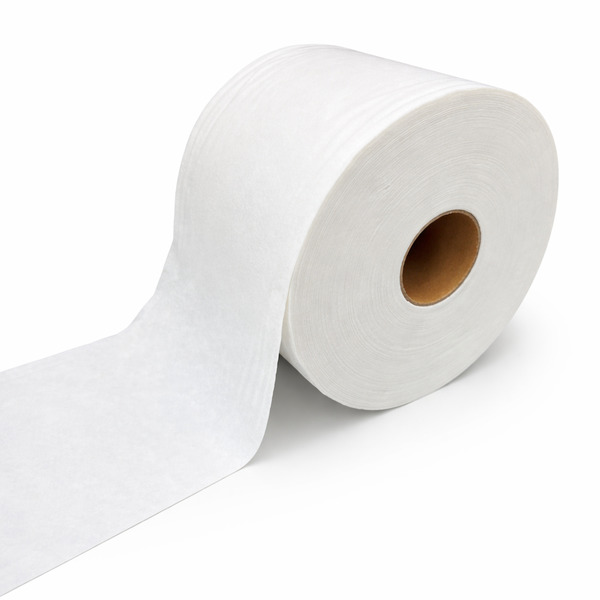
To use it correctly, you must first understand what it is. Spunlacing is a hydraulic engineering marvel. High-pressure jets of water entangle individual fibers—often a blend of polyester and viscose—into a coherent, strong, and exceptionally soft web without using chemical binders. This results in a structure that is inherently breathable, low-linting, and highly absorbent.
The critical differentiator lies in its interaction with moisture. Unlike plastic tapes that trap moisture or cloth tapes that wick it indiscriminately, spunlace nonwoven manages moisture vapor transmission rate (MVTR) intelligently. It allows the skin to breathe, releasing perspiration and water vapor, thereby preventing maceration—the white, soggy, broken-down skin that occurs when a wound is too wet. Simultaneously, its structure is strong enough to handle exudate strike-through, protecting the wound from external contaminants.
The adhesive on a quality Medical Grade Spunlace Tape is a study in balance. It is a hypoallergenic, acrylic-based adhesive that provides what clinicians call “secure but gentle” adhesion. It bonds effectively to dry skin, yet its open, breathable pattern or overall gentle formulation allows for easy, pain-free removal.
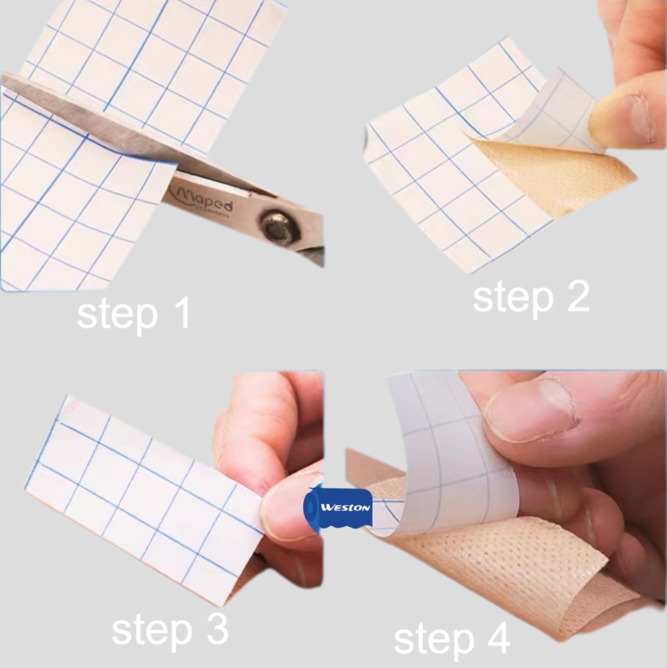
This solves the core paradox of wound care: the need for a secure hold without causing further injury upon removal. Traditional adhesives can strip the fragile epidermis, especially in elderly or compromised skin, leading to a condition known as Medical Adhesive-Related Skin Injury (MARSI). Using spunlace tape correctly means you are actively preventing this iatrogenic damage. The technique is simple: apply to clean, completely dry skin, smooth it down without excessive tension, and remove by slowly peeling it back onto itself, supporting the underlying skin.
Using spunlace tape is a deliberate act. It is not a race but a precise procedure.
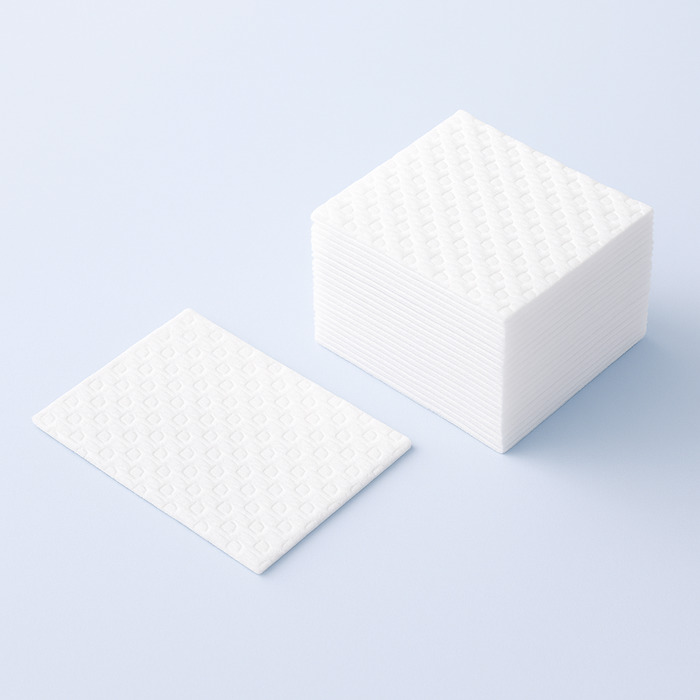
The Prelude: A Sterile Canvas. Before the tape even comes out of the package, the wound perimeter is the stage. This area must be impeccably clean, dry, and free of oils or lotions. This is where Disinfecting Wipes are non-negotiable. Use a wipe with a broad-spectrum efficacy, and more importantly, allow the skin to air dry completely. Applying tape to damp skin is a primary cause of failure; the adhesive cannot form a proper bond, and you create a moist chamber for bacterial growth under the tape.
The Application: Precision and Finesse. Do not grab and slap. Handle the tape by its edges to avoid contaminating the adhesive. Position your primary dressing—be it a gauze pad, a hydrocolloid, or a silicone dressing—over the wound. Then, using the Medical Grade Spunlace Tape, secure the dressing. The key is to create a “frame” of tape that extends at least 1-1.5 inches beyond the dressing’s edges on all sides. This ensures that the dressing remains immobile and the wound bed is protected from lateral shear forces and external contaminants. Smooth the tape from the center outwards, eliminating wrinkles that can create pressure points.
The Lifespan: Vigilance and Change. No tape is meant to be permanent. The interval for dressing changes depends on the wound’s exudate level. A critical advantage of spunlace nonwoven is its high wet strength. Unlike some materials that disintegrate when wet, it retains its integrity, making the removal of a soiled dressing a cleaner, less messy process. Inspect the tape edges regularly. If they are lifting, or if strike-through of exudate is imminent, it is time for a change. Proactive changing is always superior to reactive management of a compromised wound.

To wield this tool effectively, one must respect its entire profile.
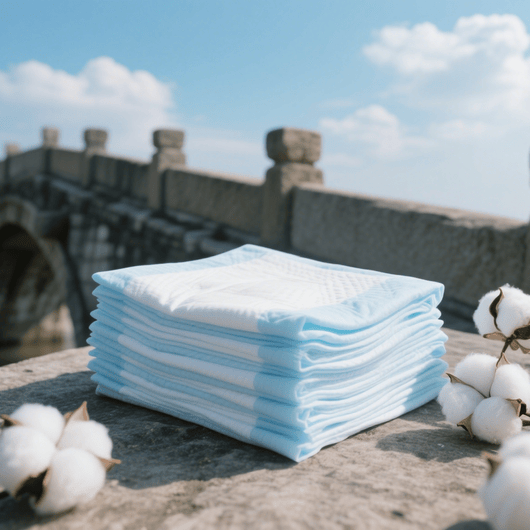
In the landscape of advanced wound care materials, the principles of design and manufacturing are paramount. At our Weston Manufacturing factory, the production of spunlace nonwoven is treated as a biomechanical challenge. The goal is to create a material that performs predictably under stress and in variable micro-environments. Our Breathable Adhesive Bandages are a direct application of this philosophy, integrating a spunlace nonwoven pad with the same gentle-yet-secure tape, creating a unified system for minor wounds. The focus is on creating a product that behaves as an extension of the caregiver’s intent—secure, gentle, and intelligent.
Mastering the use of Spunlace Nonwoven Medical Tape is to move beyond simple adhesion. It is to embrace a methodology that respects the integrity of the skin as much as the necessity of the dressing. It is a commitment to a standard of care where the healing process is supported from the outside in, with every secure, breathable, and trauma-free application.
To experience the tangible difference of this material and to evaluate its application in your practice, a free sample of our Medical Grade Spunlace Tape and related products is available. For inquiries and to request your sample, please contact us at [email protected].
WESTON
Privacy Policy | SiteMap
Copyright WESTON