- Email: [email protected]


Spunlace nonwoven technology has been part of modern manufacturing for decades. It is widely used because it produces soft, strong, and lint-free materials without chemical binders. Yet, as product demands become more specific—stronger wet wipes, safer food-contact materials, and more sustainable fabrics—traditional spunlace alone cannot meet every requirement. This is where hybrid entangling methods come in: not as a replacement, but as a practical upgrade.
Spunlace works by using high-pressure water jets to entangle loose fibers into a cohesive fabric. No glue is needed. The fibers lock together through mechanical force.
This process creates materials that are:
However, the same softness that makes spunlace attractive can also limit its strength, especially in wet conditions. This trade-off is the starting point for hybrid innovation.

Hybrid entangling combines spunlace with a second bonding or structuring method. The goal is simple: improve performance without losing the core advantages of spunlace.
Think of it like reinforcing a rope. The original fibers are already intertwined, but adding another method makes the structure more stable under stress.
Common secondary methods include:
Each method adds a specific function, rather than changing the entire process.
In a hybrid system, spunlace still forms the base structure. Water jets create the initial fiber network. Then, a secondary process strengthens or stabilizes that network.
For example:
This layered control allows manufacturers to fine-tune material properties with more precision.
Below is a simple comparison of common hybrid entangling methods and their practical effects:
| Method Combination | Key Benefit | Trade-off | Typical Use Case |
| Spunlace + Thermal Bonding | Improved strength, low lint | Slight stiffness increase | Cleaning wipes, industrial wipes |
| Spunlace + Chemical Bonding | High stability | Risk of residue if overused | Medical and specialty materials |
| Spunlace + Needle Punching | Added thickness and texture | Reduced softness | Upholstery, filtration layers |
| Spunlace + Multi-layer Structuring | Custom performance | More complex production | High-end hygiene and composite use |
This table shows a clear pattern: every improvement comes with a trade-off. The goal is not perfection, but balance.

Hybrid entangling methods are not theoretical. They address practical issues seen in daily products.
Traditional spunlace wipes can tear when fully saturated. Adding thermal bonding improves durability without making the fabric too rigid.
In cleaning applications, loose fibers can be a problem. Hybrid methods reduce lint, which is critical in industrial and food-contact environments.
Layered hybrid structures allow better control over thickness and surface feel.
For products used in food or healthcare, material purity matters. Some advanced spunlace products are now produced without formaldehyde and meet food-contact standards, which is essential for compliance and consumer trust.
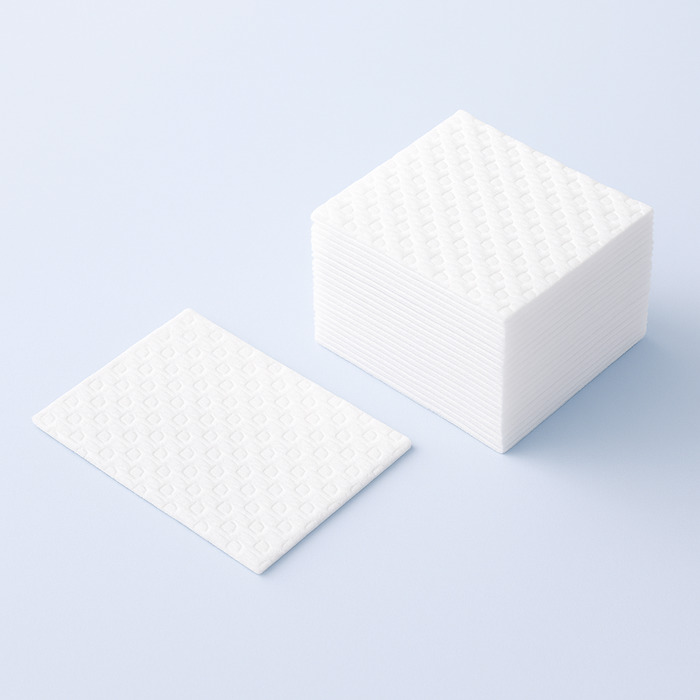
Consider a nonwoven cleaning wipe designed for kitchen or food-processing use.
If produced under strict standards, such a wipe can also meet food-contact certification requirements and remain free from harmful additives like formaldehyde. This is increasingly important for global markets, where safety regulations are tightening.
Manufacturers such as Weston Manufacturing have focused on this balance, offering spunlace-based materials that meet both performance and safety expectations. As a Nonwoven Cleaning Wipes Exporter, this type of positioning reflects real industry demand rather than marketing claims.
Hybrid methods can both help and challenge sustainability goals.
Positive effects:
Challenges:
The direction of improvement is clear: combining hybrid techniques with biodegradable fibers and more efficient water systems. Progress is steady, but not instant.
The future of hybrid spunlace is not about radical change, but smarter control.
Key trends include:
Manufacturers that can align performance, safety, and cost will stand out. This is especially true for exporters serving diverse markets with different regulatory standards.
Hybrid entangling methods do not aim to reinvent spunlace. They refine it. By combining mechanical entanglement with targeted reinforcement, manufacturers can solve specific problems without overcomplicating the material.
In practical terms, this means stronger wipes, safer materials, and more reliable performance in everyday use. Quiet improvements like these often matter more than dramatic breakthroughs.
WESTON
Privacy Policy | SiteMap
Copyright WESTON