- Email: [email protected]


When you shop for baby products today, it’s almost impossible to avoid bamboo. Bamboo baby clothes, bamboo wipes, bamboo sheets, bamboo diapers—bamboo is everywhere. Brands often describe it as natural, clean, and gentle, which makes it sound like an obvious choice for sensitive baby skin.
But parents and buyers are also asking more serious questions. What does “bamboo fabric” really mean? Is it actually safer than cotton? Are there chemicals involved? And how much of what we hear is based on facts versus marketing language?
To make good decisions for babies, it helps to look past labels and understand how bamboo fabric is made, how it behaves on skin, and what truly affects safety.

Baby skin is not just smaller adult skin. It is thinner, more permeable, and less able to protect itself. This means babies are more sensitive to:
Chemical residues
Rough or abrasive fibers
Trapped moisture and heat
Dyes, finishes, and fragrances
Lint and loose fibers that can irritate skin
Because of this, the fabric touching a baby’s skin plays a real role in comfort and skin health. Softness matters, but softness alone is not enough. Clean processing, low residues, and good moisture handling are just as important.
Many people imagine bamboo fabric as something directly spun from bamboo plants, similar to how cotton is made from cotton fibers. In reality, most bamboo fabric on the market is bamboo viscose (also called bamboo rayon).
Here’s what that means in simple terms:
Bamboo is turned into pulp
The pulp is dissolved using chemical solvents
The solution is extruded into fibers
The fibers are spun into yarn and fabric
This makes bamboo viscose a semi-synthetic fiber. The starting material is a plant, but chemical processing is required to turn it into soft textile fibers.
There are also newer processes like bamboo lyocell, which use more closed-loop systems to reduce chemical discharge and improve environmental control. This difference in processing matters for both sustainability and potential residue control.
One reason bamboo fabrics are popular is that they feel very soft and smooth. For babies, this can reduce friction and help prevent irritation from rubbing.
However, softness does not automatically mean skin-safe. A fabric can feel soft but still contain:
Residual processing chemicals
Strong dyes
Fabric softeners
Finishing agents that may irritate sensitive skin
True safety depends on how thoroughly the fabric is washed, neutralized, and tested after production.
Raw bamboo plants contain compounds that help resist bacteria. But during viscose or lyocell processing, most of these natural properties are removed.
In finished bamboo fabrics, any antibacterial effect is usually minimal unless special treatments are added. These treatments may involve additional chemicals, which should also be evaluated for baby use.
This is one of the most misleading claims. Bamboo viscose and lyocell both involve chemical processing. The key question is not whether chemicals are used, but whether:
Chemicals are properly recovered
Fibers are fully washed and neutralized
Residual levels are tested and controlled
Responsible manufacturers focus on clean processing and strict quality control.
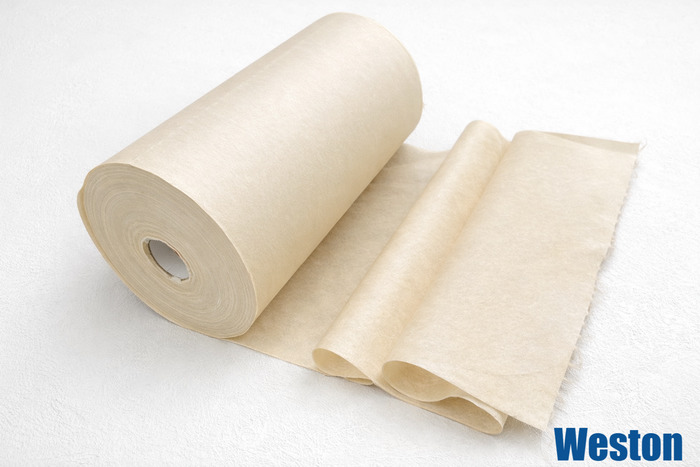
Bamboo fabric can work well for baby products when it is made to proper standards. It is often valued for:
Smooth fiber surface
Good drape and flexibility
Comfortable hand feel
Effective moisture absorption
When paired with careful processing, low-residue finishing, and third-party testing, bamboo fabrics can be suitable for sensitive applications.
This is where manufacturing discipline becomes more important than fiber name. Two bamboo fabrics can feel similar but perform very differently on baby skin.
Not all bamboo products are made to the same level of control. Potential concerns include:
Low-cost viscose with poor washing
Strong or dark dyes for baby products
Heavy fabric softeners
Incomplete chemical recovery
Misleading environmental or health claims
For baby use, it is reasonable to ask suppliers about certifications, test reports, and processing standards.
Cotton remains a widely trusted option because it is familiar and easy to understand. Organic cotton reduces pesticide exposure at the farm level, which matters to some parents and brands.
Bamboo viscose and bamboo lyocell often feel softer than standard cotton and can manage moisture well. However, they depend more heavily on factory-level controls for final safety.
For baby wipes and hygiene products, spunlace nonwoven materials are also commonly used. These materials are engineered for:
Low lint
Controlled cleanliness
Consistent softness
Stable performance in wet use
In this area, material choice and manufacturing standards are especially important because wipes come into contact with skin repeatedly and under moist conditions.
In recent years, bamboo lyocell has gained attention as a more controlled alternative to traditional viscose. The lyocell process is designed to:
Recycle processing solvents
Reduce environmental discharge
Improve fiber consistency
Support cleaner production systems
This makes bamboo lyocell attractive for applications where both skin contact and environmental responsibility matter.
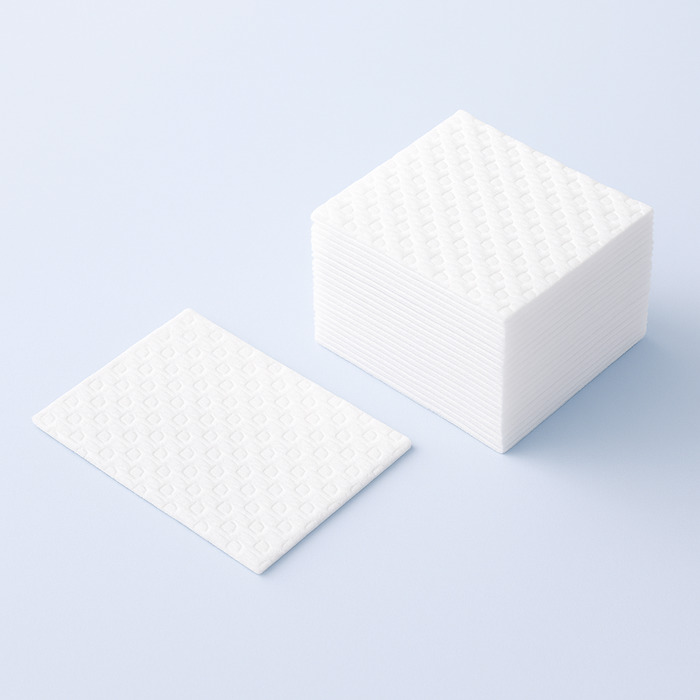
For example, Bamboo Lyocell Facial Wipes made with properly controlled processes can combine two important qualities for baby and sensitive-skin use: materials that are environmentally responsible and fibers that are naturally smooth and soft. This balance is especially relevant for wipes, where repeated contact, moisture, and friction all play a role in skin comfort.
Rather than relying on fiber trends, experienced buyers and informed parents usually focus on:
Clear fiber disclosure (viscose, lyocell, etc.)
Third-party certifications such as OEKO-TEX®
Transparent processing information
Low-residue and low-irritation standards
Real test data instead of marketing slogans
This approach helps separate well-made bamboo products from low-quality versions that simply use bamboo as a selling point.
Bamboo fabric is not automatically better or safer just because it comes from a plant. At the same time, it should not be dismissed simply because it is chemically processed.
What truly matters is how the fiber is made, washed, finished, and tested. When bamboo lyocell or viscose is produced under strict controls, it can be a comfortable and suitable option for baby-related products.
For wipes and hygiene applications in particular, combining clean processing with smooth, low-lint fibers helps support both skin comfort and everyday practicality. That is why controlled materials like Bamboo Lyocell Facial Wipes are increasingly used where both softness and environmental responsibility are part of the product requirements.
For brands, distributors, or product developers who want to evaluate material performance directly, free samples are often the most reliable way to assess real-world feel, strength, and skin compatibility.
For free samples and technical information, you can contact:
free sample: [email protected]
Choosing materials for babies is not about chasing trends. It is about understanding how fabrics are made, how they behave on skin, and how responsibly they are produced. With the right information and proper quality controls, bamboo-based fabrics can be one part of a thoughtful, skin-safe product strategy.
WESTON
Privacy Policy | SiteMap
Copyright WESTON