- Email: [email protected]


When you’re shopping for quality textiles, you’ve probably encountered the term “non-woven fabric” more often than you’d expect. But here’s the thing—most people treat it like it’s a specific material, when actually it describes how fabric is made, not what it’s made from. Let me clear up the confusion.
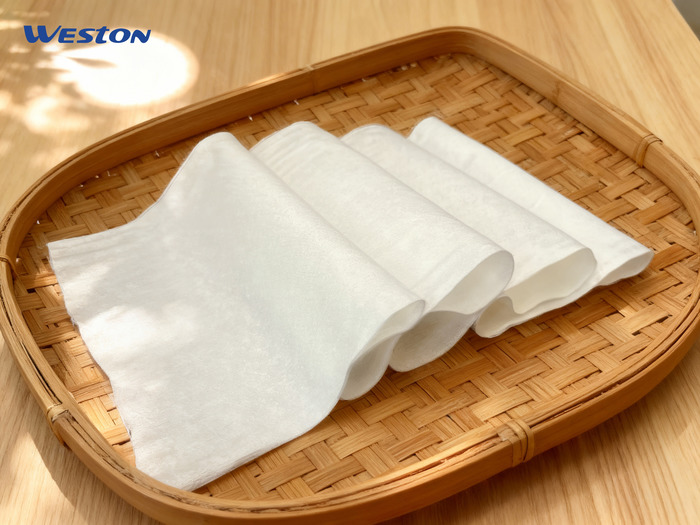
Think of non-woven fabrics as a completely different approach to textile engineering. Instead of the traditional weaving method where threads interlace under and over each other, non-woven fabrics bond loose fibers together using mechanical, thermal, or chemical methods. Imagine pressing thousands of fibers together with high-pressure water jets or heat—that’s essentially how it works.
The key insight here? The fiber source is separate from the manufacturing process. You could have polypropylene non-woven, polyester non-woven, viscose non-woven, or—yes—cotton non-woven. Each combines a different raw material with the same bonding technique.
Here’s where cotton’s unique position becomes clear. Cotton fiber is composed of roughly 88-96% pure cellulose—the same polymer that makes wood fibers, but in cotton it’s more crystalline, more organized, and genuinely more impressive at its job. That crystalline structure is why cotton feels different, performs differently, and costs more.
The real magic lies in cotton’s internal architecture. Cotton fibers are riddled with microscopic pores and capillary spaces—essentially making each fiber act like a tiny sponge. When liquid contacts cotton, capillary action pulls it inside the fiber itself, where it gets trapped and held. This is why cotton naturally absorbs moisture so aggressively and why your cotton t-shirt can soak up water without feeling waterlogged on the surface.
Synthetic polymers like polyester and polypropylene work the complete opposite way. They’re hydrophobic—they actively repel water because their molecular structure has zero affinity for moisture. Water sits on the surface; it doesn’t penetrate. That’s why a polyester jacket keeps rain out.
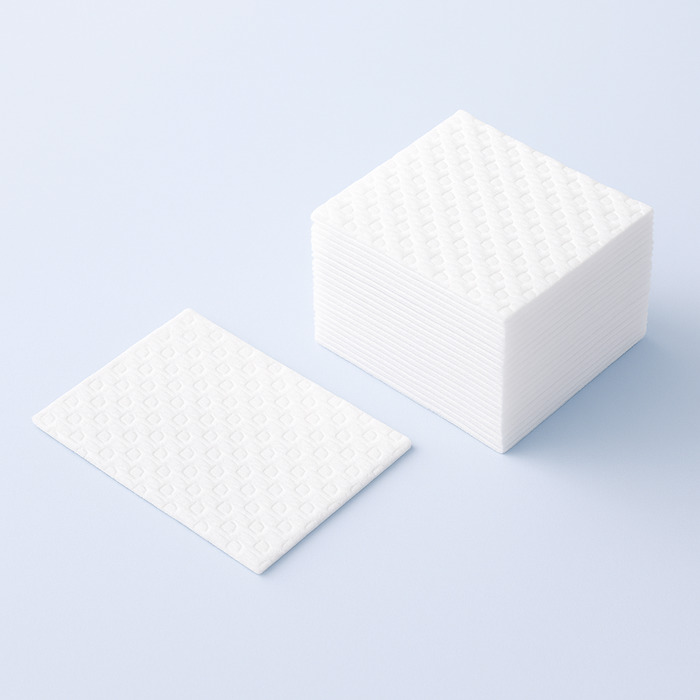
Now here’s where things get interesting. Modern textile manufacturers figured out how to take cotton fibers and process them through non-woven methods, particularly through hydroentanglement or spunlace technology. High-pressure water jets comb through the fiber web, tangling individual cotton fibers together without any adhesive chemicals. The result? Breathable Cotton Nonwoven Fabric—cotton’s natural properties preserved but with the convenience and customization of non-woven manufacturing.
This matters because cotton non-woven maintains that crucial capillary structure. It still absorbs aggressively, still breathes naturally, still biodegrades. You get cotton’s best qualities without cotton’s manufacturing limitations.
Here’s something most people don’t realize: the bonding method changes how the material performs, even if the fiber source stays the same.
Spunlace bonding creates an open, porous structure. Imagine fibers gently locked together by water jets, with plenty of air gaps remaining between them. This openness is why Breathable Cotton Nonwoven Fabric actually works—air and moisture move through freely, and absorbency skyrockets.
Compare that to spunbond technology, where thermoplastic fibers are heat-bonded. The fibers literally melt and fuse at contact points, creating a denser, tighter structure. Spunbond fabrics are tougher and more durable, but less absorbent and less breathable. You sacrifice some absorption for durability.
Chemical bonding—applying latex or acrylic adhesives—offers middle ground. It works with any fiber type (yes, even cotton), creates consistent properties, but introduces added chemicals that cotton advocates often want to avoid.
If you’re selecting textiles for medical applications, wipes, or anything touching sensitive skin, understanding this distinction becomes critical. A specification that just says “non-woven fabric” is dangerously vague. You need to know:
A cotton spunlace non-woven will perform completely differently from a polypropylene spunbond non-woven, despite both being “non-woven.” The cotton version absorbs rapidly and biodegrades; the polypropylene version resists moisture and persists for decades.
When manufacturers measure absorbency using capillary rise tests—basically watching how fast liquid climbs through fabric—hydroentangled non-woven fabrics reach their peak height in about 25 seconds, compared to 30-45 seconds for other methods. That speed comes from the open structure created by water-jet bonding.
Cotton-based non-wovens outperform their synthetic counterparts in liquid retention tests too. A cotton spunlace will hold moisture within its fibers; a polyester spunbond will shed that moisture quickly because nothing in its molecular structure wants to hold water.
For comfort applications—anything touching skin—this distinction matters profoundly. Sweat and moisture accumulating on the surface creates discomfort; moisture actually absorbed into the fabric keeps skin feeling drier and more comfortable.
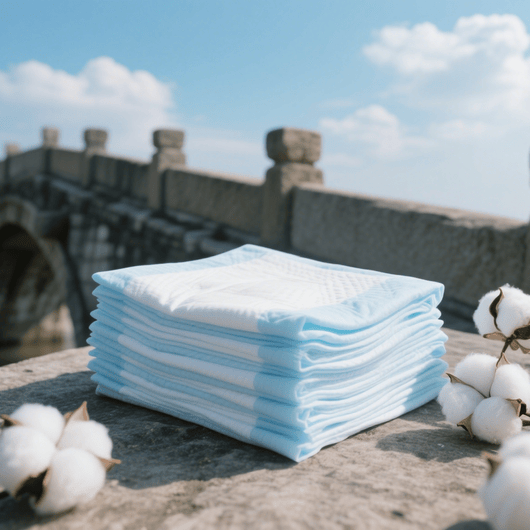
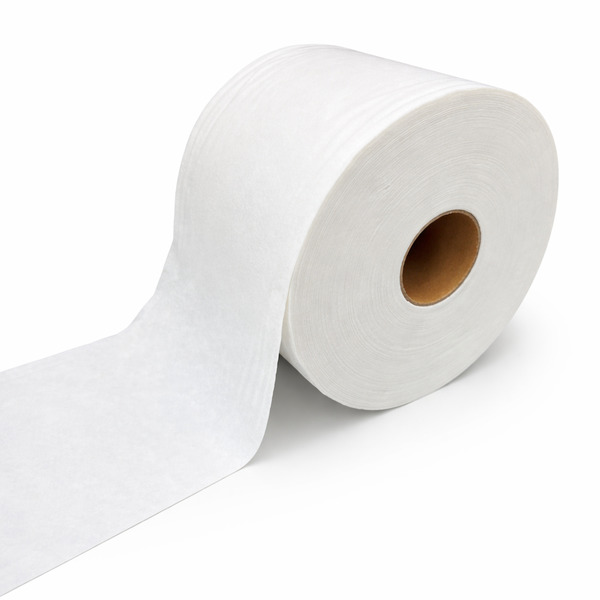
For those evaluating textile suppliers, operations like Weston Manufacturing specializing in spunlace technology have made significant advances in producing premium-grade Breathable Cotton Nonwoven Fabric that maintains cotton’s natural advantages while delivering the consistency and customization that modern applications demand. Their focus on water-jet bonding technology means zero chemical binders—important for applications where residual chemicals pose regulatory or compatibility concerns.

Non-woven fabric is not cotton. But non-woven can be cotton, and when it is, combined with the right bonding technology like spunlace, you get something genuinely distinctive: the natural performance characteristics of cotton with the manufacturing flexibility of engineered textiles.
The next time someone asks “is non-woven fabric cotton?” you can confidently answer: it depends entirely on what you’re actually looking for. And that’s the conversation that matters—not the category name, but the specific combination of fiber and process that delivers the performance your application requires.
WESTON
Privacy Policy | SiteMap
Copyright WESTON