- Email: [email protected]


When you grab a cleaning wipe, put on a surgical mask, or use a disposable diaper, you’re holding non-woven fabric. But most people have no idea what that actually means or why manufacturers love it. Is it truly good? The answer isn’t simple—it depends entirely on what you’re trying to do.
Here’s the thing about traditional fabric: threads weave together in a tight pattern. Non-woven works completely differently. Instead of weaving, individual fibers get laid down randomly or in specific directions, then bonded together using heat, pressure, or chemicals. Think of it more like felt than cotton.
This fundamental difference changes everything about how the material performs. Different bonding methods create entirely different products. Thermal bonding (using heat) creates the fabric in your grocery bags. Mechanical bonding (using pressure) makes the geotextiles under your roads. Chemical bonding offers flexibility for custom applications.
The key point: non-woven isn’t one material—it’s actually a family of materials engineered for different purposes.
Lightweight strength that actually works. Non-woven weighs significantly less than equivalent woven fabric but maintains genuine durability. A non-woven bag holds your groceries without tearing, weighs almost nothing, and costs a fraction of what a canvas tote does. For manufacturers, this matters enormously for shipping costs and handling.
Breathability with control. Here’s where non-woven gets interesting. The porous structure lets air move through, but you can engineer exactly how much. Medical gowns need to let skin breathe while blocking bacteria. Disposable diapers need to manage moisture without creating a plastic cocoon. This precision control is something traditional fabric can’t match.
Natural bacterial resistance. Polypropylene and polyester—the common materials in non-woven—don’t absorb water and create environments where bacteria struggle to grow. No need for toxic chemical treatments. This is genuinely valuable for hygiene products and medical applications where you want safety without complexity.
Cost-effectiveness through efficiency. Making woven fabric involves spinning fibers, creating yarn, then weaving. Non-woven compresses this into one continuous process. You take polymer resin and produce finished fabric in a single operation. That efficiency shows up in pricing: non-woven typically costs 0.50–2persquaremeterwhilewovenruns0.50–2 per square meter while woven runs 0.50–2persquaremeterwhilewovenruns2–5. For products made by the millions, that difference matters.
Customization built into production. Want your fabric thicker here, thinner there? Adjust the fiber layering. Want water resistance? Change the bonding method. Want specific absorbency? Engineer the density differently. Manufacturers can dial in properties that would require completely different weaving patterns with traditional fabric.
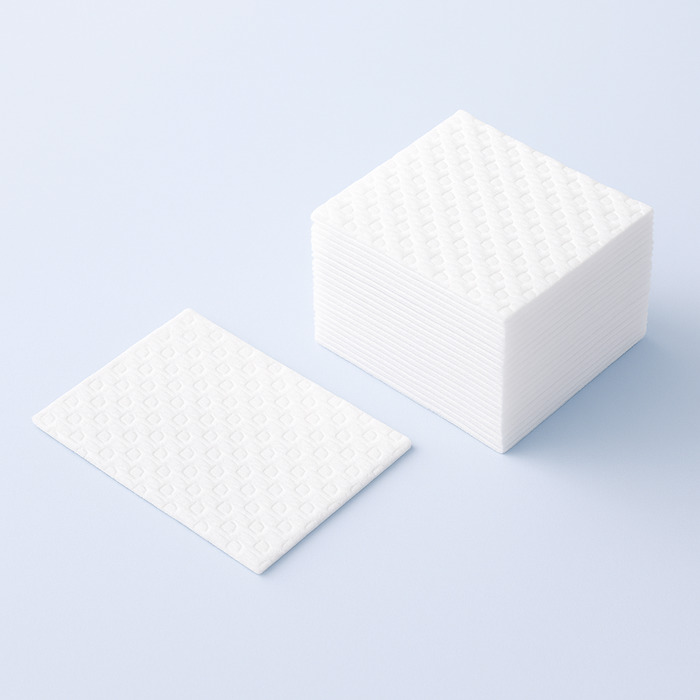
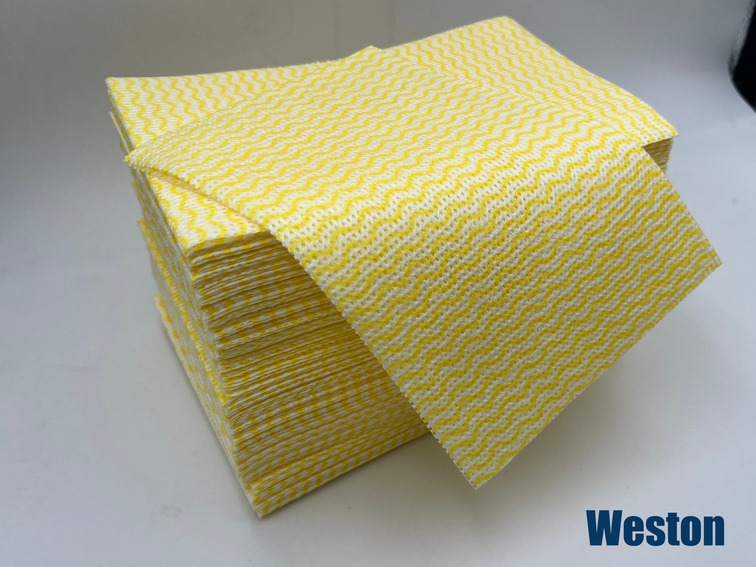
Spunlace technology exemplifies this. Using high-pressure water jets to entangle fibers creates fabric that’s simultaneously soft and strong—something most other manufacturing methods struggle to achieve. The hydroentanglement process produces 120 Gsm Nonwoven Wipes that combine absorbency with durability, making them practical for everything from household cleaning to industrial use.
Durability has real limits. This needs to be stated clearly: quality non-woven lasts months to years; quality woven lasts years to decades. A non-woven bag used daily will eventually fray and wear out. A canvas tote used the same way could serve you for fifteen years. If you’re buying something for repeated use across years, woven genuinely is more sustainable. But if you’re buying something for occasional or single use, demanding durability is actually wasteful.
Breathability isn’t like linen. Non-woven is breathable compared to plastic, but it’s not the airflow you get from cotton or linen. Dense non-woven blocks airflow to a degree. For medical masks, this is exactly what you want—filtration matters more than complete airflow. For summer clothing, this is a problem. You won’t see non-woven used for t-shirts because people expect fabric that lets air move freely.
Appearance is limited. Non-woven has a manufactured, uniform look. It doesn’t have the visual depth of weave patterns or the natural variation of traditional textiles. Some people find it plasticky—and many non-wovens do look industrial. Advanced manufacturing is changing this, but it’s still true that if you want heirloom-quality textiles, you’re looking for woven fabric.
Environmental questions are nuanced. Most non-woven comes from petroleum-based synthetics that don’t biodegrade. This is a real concern requiring responsible disposal. But here’s the fuller picture: non-woven manufacturing uses 30–40% less energy than certain traditional textile processes and generates minimal waste during production. A high-quality non-woven bag reused multiple times creates less waste than cheap woven fabrics replaced frequently. And emerging options like plant-based spunlace nonwovens address sustainability concerns directly, though these remain niche products.

Non-woven makes sense for single or limited-use applications: face masks, medical consumables, hygiene products, and disposable wipes. It excels at creating functional barriers—air filters, geotextiles for construction, insulation materials, protective apparel. When you need customized performance requirements—specific absorbency, water resistance, or filtration—non-woven offers flexibility that woven can’t match easily.
Choose woven when you’ll use something hundreds or thousands of times. Choose it when aesthetic appeal and natural fiber characteristics matter. Choose it when long-term durability is genuinely required.
Non-woven fabric is good—specifically good at what it’s engineered to do. It solved real problems that woven fabric couldn’t address efficiently. It made disposable hygiene products practical. It created affordable protective equipment. It enabled innovations in medical textiles and construction that wouldn’t have been economically viable otherwise.
The question isn’t whether non-woven is universally good. It’s whether it’s the right tool for the specific job. When manufacturers choose non-woven, they’re usually making a legitimate functional choice based on actual requirements, not cutting corners. Understanding that distinction changes how you think about this material entirely.
WESTON
Privacy Policy | SiteMap
Copyright WESTON