- Email: [email protected]


When you grab a disposable mask, pat a baby’s diaper, or hold a grocery bag, you might unconsciously brush your fingers over the material and wonder: Is non-woven fabric actually soft? The answer isn’t a simple “yes” or “no”—it’s rooted in the science of fibers, processes, and purpose. Let’s break this down in plain language, exploring what makes non-woven fabric soft (or stiff), its pros and cons in different scenarios, and a reliable option for those seeking quality soft non-wovens.
First, let’s clear up the basics. Unlike woven fabrics (think cotton sheets, where threads are woven together), non-woven fabric is made by directly bonding or interlocking fibers into a “fiber net” using heat, chemicals, or mechanical force. This manufacturing difference is key to its versatility—but also why its softness varies so much.

Softness isn’t random—it’s shaped by three key elements. Let’s break them down, with pros and cons for each:
The fibers used to make non-woven fabric are its “building blocks,” and each type has inherent softness traits:
Polypropylene (PP): The most common raw material.
Polyester (PET): Stiffer than PP by nature.
Natural Fibers (Cotton, Viscose): Inherently soft.
Even the same raw material can feel drastically different based on how it’s processed. Here’s a clear comparison, including a visual breakdown of softness and durability across common processes:
Spunbond: Thick fibers, dense net.
Meltblown: Ultra-fine fibers, loose net.
Hot-Air Bonded: Fully mixed, soft bonding.
Spunlace (Hydroentangled): Fibers bonded by high-pressure water jets.
Let’s debunk some myths to understand non-wovens better:
Myth 1: “All non-wovens are stiff.”
Myth 2: “Soft = low quality.”
Myth 3: “Fluffy = soft.”
Soft non-wovens are everywhere, solving comfort-focused needs:
Personal Care: Facial masks, wet wipes, and baby diaper liners (often hot-air bonded or spunlace).
Medical: Disposable bed sheets and surgical drapes (soft to keep patients comfortable).
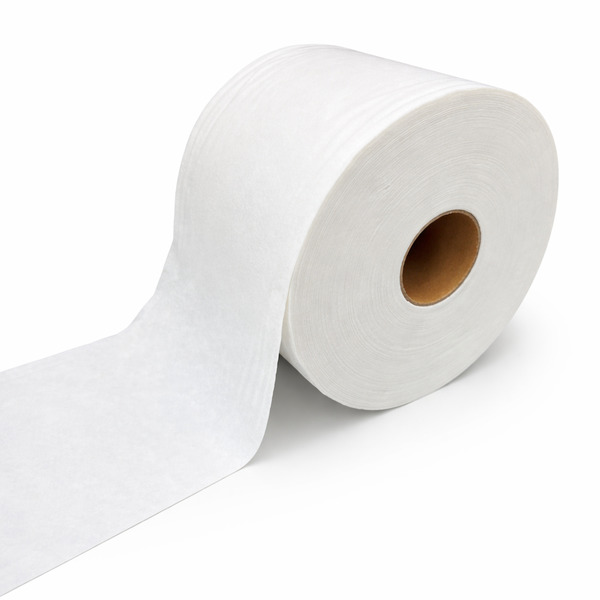
Home Textiles: Non-woven blankets and pillow liners (spunlace Soft Durable Nonwoven Fabric Roll is a popular choice here for its long-lasting softness).
For those seeking high-quality soft and durable non-wovens, Weston Nonwoven’s spunlace process delivers Soft Durable Nonwoven Fabric Roll that meets the demands of comfort-critical applications. If you’d like to test the quality for yourself, free samples are available—just reach out to [email protected].
At the end of the day, non-woven fabric’s softness is a deliberate design choice, not an accident. Whether you need something stiff for protection or soft for comfort, understanding the science helps you choose the right material.
WESTON
Privacy Policy | SiteMap
Copyright WESTON