- Email: [email protected]


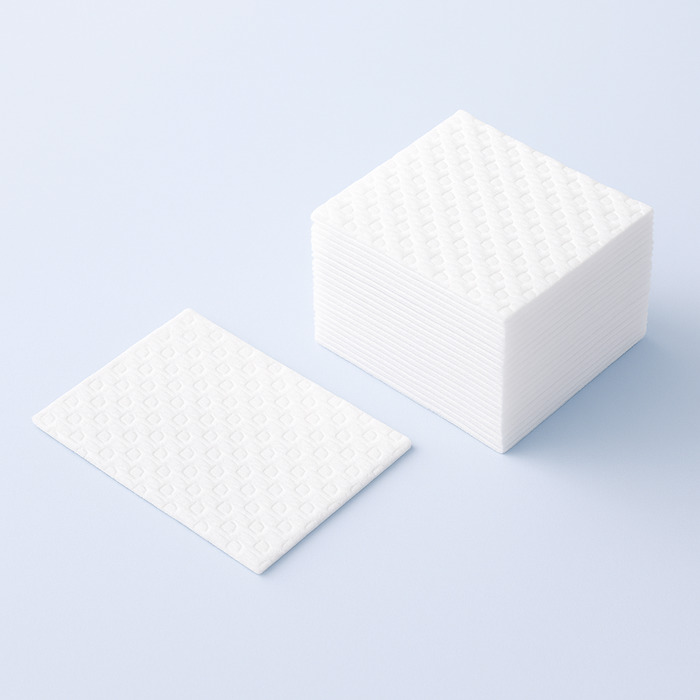
Hey there, ever picked up a baby wipe or medical gauze and wondered why it feels so soft yet holds together when wet? That’s the magic of viscose spunlace nonwovens—a fabric that’s neither woven like your jeans nor knitted like a tee. It’s made by blasting loose fibers with high-pressure water jets, no glue or chemicals needed. Let’s break down what makes this everyday hero tick, step by step.

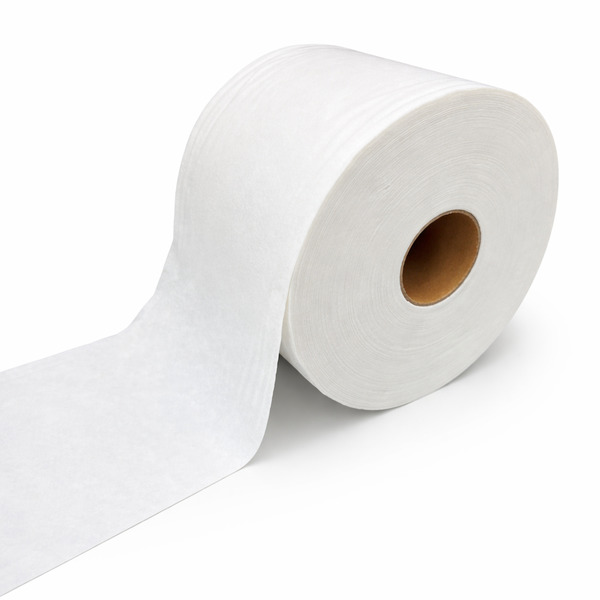
Picture this: start with viscose fibers from wood pulp—think eucalyptus or beech trees, full of natural cellulose. These get chopped to 18-25mm lengths, carded into a fluffy web, then hit with water jets at 120-160 bar. That’s like a power washer tangling the fibers into a tough, 3D network. Dewater, dry at 130-150°C, and boom—you’ve got fabric weighing 25-120 g/m². No binders means it’s clean from the start, perfect for skin contact.
This hydroentanglement isn’t flashy, but it’s smart engineering. Weston Manufacturing’s viscose spunlace nonwovens nail this process, delivering consistent quality for wipes and more—without the mess of chemical glues.
Here’s the paradox: it drapes like silk but resists tearing like a towel. Viscose brings the buttery feel (regenerated cellulose, smoother than cotton), while blends like 70/30 polyester-viscose add grit. Pure viscose? It loses 40-70% strength when wet because fibers swell. Blends fix that, keeping wipes intact mid-scrub.
Test it yourself—viscose spunlace nonwovens stretch evenly in any direction (isotropic strength), thanks to those water-forged bonds. No lint shedding either, a game-changer for medical use.
Viscose soaks up 100-300% its weight in water—those hydroxyl groups in cellulose grab moisture fast. But unlike soggy paper towels, it spreads liquid evenly, feeling dry to the touch. Press it on a spill; it pulls without dripping.
Air flows through the porous structure too, preventing that clammy buildup in gowns or diapers. In hot Tokyo summers, this breathability keeps things fresh. Cooling evaporation from the moisture? Bonus for fever wipes.
No adhesives = no irritants. Dermatologist-tested softness suits babies, wounds, or makeup removal. Viscose spunlace nonwovens from spots like Weston Manufacturing often get antibacterial tweaks, staying lint-free on sensitive skin.
Viscose is cellulose II—regenerated, so microbes chew it faster than cotton’s cellulose I. In compost? Weeks to months. Soil? 6-12 months with cracks showing by 180 days. Seawater works too, per EN 13432 standards. Not instant, but no plastic forever-ness.
Chemical-free making cuts pollution—water recycles, no VOCs. From renewable forests to backyard compost, it’s a solid loop.
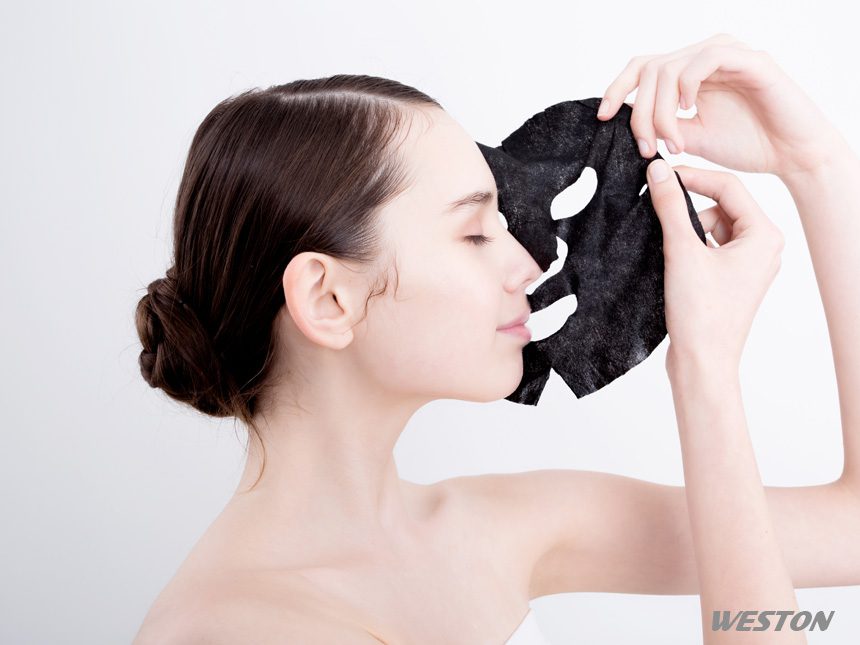
Weights vary: light (25g/m²) for pads, heavy (120g/m²) for industrial grit.

Viscose spunlace nonwovens solve real problems—soft strength without toxins. Factories like Weston Manufacturing refine this for top-tier wipes and cloths. Next time you grab one, know it’s science at work: water, plants, and clever bonds making life cleaner.
WESTON
Privacy Policy | SiteMap
Copyright WESTON