...

Multi-Purpose Bamboo Charcoal Spunlace Material | Weston Factory Direct

The Science of Bamboo Charcoal Spunlace Material

Bamboo charcoal spunlace material is an innovative textile that combines the natural properties of bamboo with the unique characteristics of spunlace technology. This material is not only versatile but also eco-friendly, making it a popular choice in various applications. Understanding the science behind bamboo charcoal and its benefits is essential for appreciating its role in modern textiles.

1. What is Bamboo Charcoal?

Bamboo charcoal is produced by carbonizing bamboo at high temperatures. This process creates a porous material that has numerous beneficial properties, including:
  • Absorption: Bamboo charcoal has the ability to absorb moisture and odors, making it ideal for applications where freshness is paramount.
  • Antimicrobial Properties: Studies suggest that bamboo charcoal possesses natural antimicrobial properties, which can help inhibit the growth of bacteria and fungi.
  • Environmental Benefits: Bamboo grows rapidly and can be harvested sustainably, making it a renewable resource. This contributes to a lower environmental impact compared to traditional textile materials.

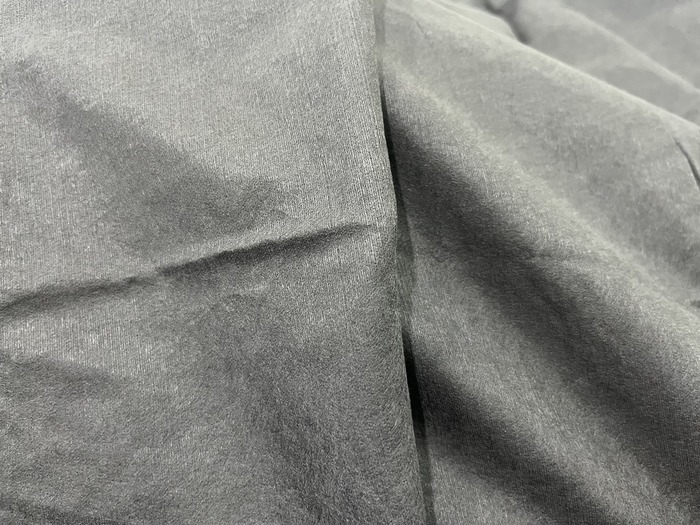
Weston's bamboo charcoal spunlace nonwoven fabric showing soft texture and fiber detail

2. The Spunlace Technology

Spunlace technology involves entangling fibers through high-pressure water jets, creating a nonwoven fabric. This method provides several advantages:

  • Softness and Comfort: The entangled fibers produce a soft and comfortable material, suitable for direct contact with the skin.
  • Durability: Spunlace fabrics are known for their strength and resistance to wear, making them ideal for heavy-duty applications.
  • Versatility: The technology allows for the incorporation of various materials, enhancing the functionality of the final product.

3. Applications of Bamboo Charcoal Spunlace Material

Bamboo charcoal spunlace material finds use in a variety of industries due to its unique properties. Some notable applications include:

4. Advantages of Bamboo Charcoal Spunlace Material

The benefits of using bamboo charcoal spunlace material extend beyond its physical properties:

  • Sustainability: As a renewable resource, bamboo contributes to sustainable practices in textile production. Using bamboo charcoal helps reduce reliance on synthetic materials.
  • Health Benefits: The natural properties of bamboo charcoal can promote better skin health, making it an excellent choice for personal care products.
  • Environmental Impact: Bamboo cultivation requires less water and pesticides compared to conventional crops, reducing the overall environmental footprint.

5. Disadvantages and Considerations

While bamboo charcoal spunlace material offers numerous benefits, it is essential to consider potential drawbacks:

  • Cost of Production: The production process of bamboo charcoal and spunlace technology can be more expensive than traditional materials, impacting overall pricing.
  • Market Awareness: As a relatively newer material, there may be a lack of consumer awareness regarding the benefits of bamboo charcoal, affecting market penetration.
  • Variability in Quality: Not all bamboo charcoal products are created equal; variations in production methods can lead to differences in quality and effectiveness.

6. Comparative Analysis

To understand the advantages of bamboo charcoal spunlace material, a comparative analysis with traditional materials can be insightful. The following table summarizes key differences:

Property Bamboo Charcoal Spunlace Traditional Nonwoven Materials
Absorbency High Medium
Antimicrobial Yes Varies
Softness Very Soft Moderate
Environmental Impact Low High
Production Cost Higher Lower

7. Future Trends and Innovations

As the demand for sustainable and eco-friendly materials continues to rise, bamboo charcoal spunlace material is poised for growth. Potential innovations in this field include:

  • Enhanced Production Techniques: Advances in technology may lead to more efficient production methods, reducing costs and increasing accessibility.
  • Broader Applications: Research into new applications for bamboo charcoal could expand its use in sectors such as automotive, home textiles, and medical supplies.
  • Consumer Education: Increased efforts towards educating consumers about the benefits of bamboo charcoal could drive demand, paving the way for broader acceptance.

8. The Role of Weston Manufacturing

Weston Manufacturing is at the forefront of producing high-quality bamboo charcoal spunlace materials. By focusing on sustainable practices, the company aims to contribute positively to the environment while meeting consumer needs. Their products, such as Eco Friendly Bamboo Lyocell Sanitary Wipes and Customizable Bamboo Charcoal Makeup Remover Material, exemplify the fusion of quality and sustainability.

For those interested in exploring the benefits of bamboo charcoal spunlace material, Weston Manufacturing offers free samples. For inquiries, please contact [email protected].

Final Thoughts

Bamboo charcoal spunlace material represents a significant advancement in textile technology, merging sustainability with functionality. Its unique properties make it a compelling choice in various applications, from personal care to industrial uses. As awareness grows and technology advances, the potential for bamboo charcoal spunlace material is boundless, paving the way for a more eco-friendly future in textiles.