- Email: [email protected]


Disposables cover a broad spectrum of products, from medical supplies and hygiene items to industrial wipes and packaging. The foundational choice between non-woven and woven fabrics profoundly affects performance, sustainability, cost, and application suitability. This article delves deep into scientific, technical, and practical aspects to answer which fabric type truly excels in disposable uses.
Woven fabrics are created by interlacing yarns vertically and horizontally, forming a tight, organized structure. This intricate weaving bestows superior mechanical strength, durability, and abrasion resistance—traits ideal for reusable textiles.
In contrast, non-woven fabrics are produced by bonding or entangling fibers through mechanical, chemical, or thermal means without weaving. Methods include spunbonding, meltblowing, and waterjet entanglement (spunlace). These processes yield a web-like fabric with a random fiber orientation, offering lightweight, porous, and adaptable materials tailored for short-term or single-use applications.
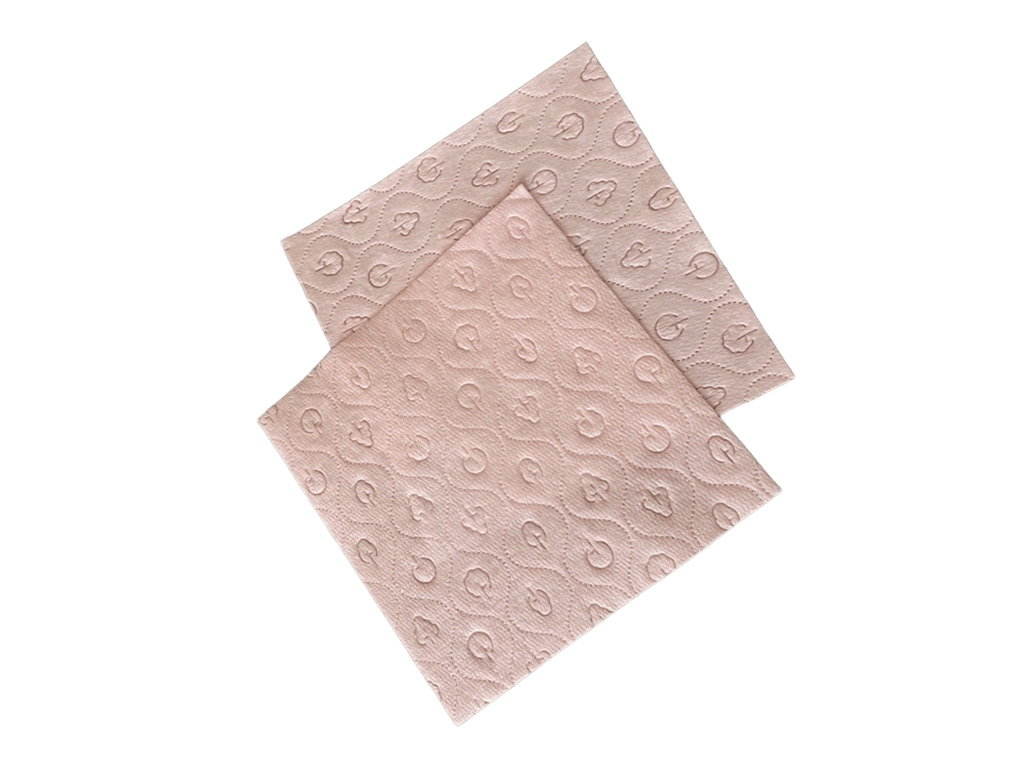
Woven fabrics excel in tensile strength and durability, lending themselves well to products requiring longevity and structural integrity. Their interlocked yarns resist tear propagation, making woven textiles reliable in applications demanding continuous use.
Non-wovens, while generally lower in tensile strength, compensate with flexibility and customizable porosity. The degree of bonding and fiber selection dictate strength and handleability. For example, spunlace nonwoven fabrics embody remarkable softness combined with adequate strength, ideal for wipes and protective covers that need quick, disposable performance.
Porosity influences breathability and absorbency: non-woven fabrics’ porous, random fiber arrangements facilitate air and liquid permeability, a benefit in medical masks or wet wipes. Conversely, woven fabrics usually provide more balanced airflow but are less absorbent due to tighter construction.
Single-use disposables demand rapid, scalable production and precise functional properties, frequently favoring non-woven substrates. The speed of non-woven production processes, such as hydroentanglement in spunlace fabrics, provides efficient manufacturing throughput and cost benefits vital to disposable markets.
Disposable items, including face masks, wipes, and diaper cores, benefit from the non-woven fabric’s ability to be engineered for specific tasks: high liquid retention, softness for skin contact, barrier functions against particles, or antimicrobial infusions.
Woven fabrics, with their robust nature, tend to be reserved for reusable textiles—workwear, durable medical gowns, or industrial filters—where repeated washing and mechanical stress resistance is essential.
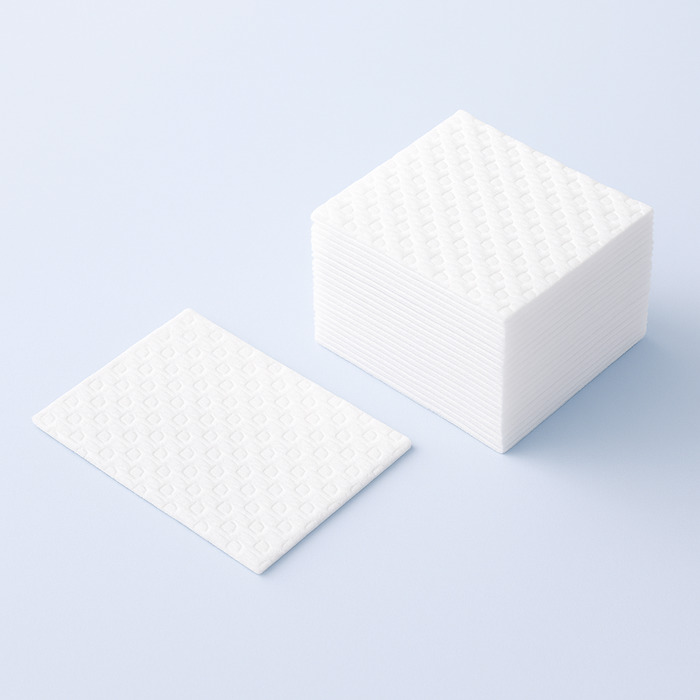
Weston Manufacturing embodies non-woven fabric innovation tailored for disposables. Their portfolio illustrates non-wovens’ strategic value in hygiene and cleaning:
This diverse application set exemplifies why non-woven fabrics dominate disposable product development: scalable, versatile, and customizable to meet exacting performance criteria.
The rise of eco-conscious consumers pressures the disposable market to address sustainability. Non-woven fabrics have historically posed environmental challenges due to plastic content and landfill persistence. Nonetheless, new bio-based polymers, fiber blends, and compostable bonding agents show promise in transforming non-wovens into responsible materials.
Woven fabrics also face sustainability scrutiny, especially synthetic blends with longer lifecycles and complex finishes that hinder recycling.
Deciding whether to select woven or non-woven fabrics for disposables depends on prioritizing required attributes: rapid production and engineered disposability favor non-wovens, while durability and tactile consistency may tilt toward woven options where reuse or extended single use is necessary.
Applications requiring barrier protection, absorbency, and disposability will often lean toward non-woven spunlace and meltblown fabrics for their adaptability and economy—a key reason for their extensive deployment in medical, hygiene, and cleaning markets.
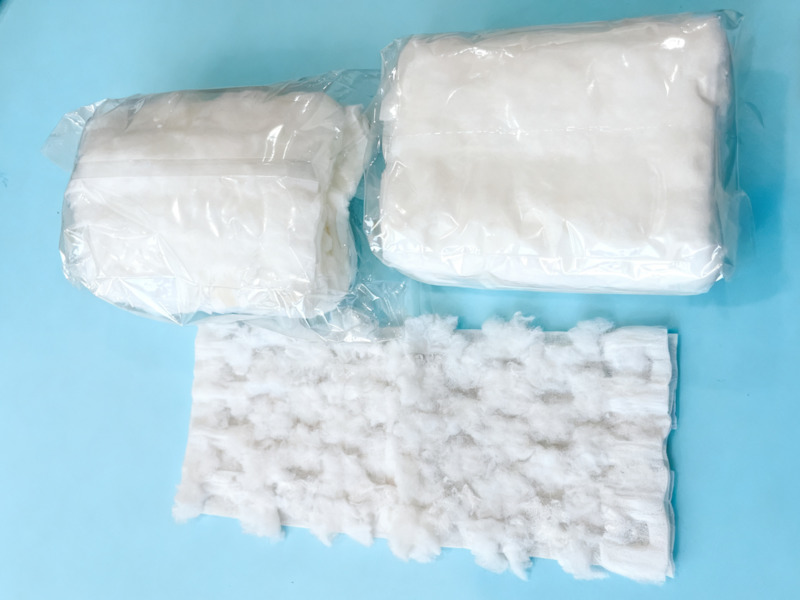
Q1: Can woven fabrics be used for disposable hygiene products?
A1: Some lightweight woven fabrics are suitable for limited disposable use, but they generally lack the absorbency and cost-effectiveness of non-wovens.
Q2: What types of non-woven fabrics are best for disposables?
A2: Spunlace and meltblown non-wovens are widely preferred for disposables due to their softness, absorbency, and barrier properties.
Q3: How does fabric choice affect sustainability?
A3: Non-wovens traditionally have a higher environmental impact but innovations in biodegradable fibers are mitigating this. Woven fabrics often have longer usable lives, but recycling challenges remain.
Q4: What is the role of customization in non-woven disposables?
A4: Customization of fiber blends and bonding allows precise performance tuning for absorbency, softness, and strength critical in disposable applications.
Q5: Which Weston Manufacturing products exemplify non-woven innovation?
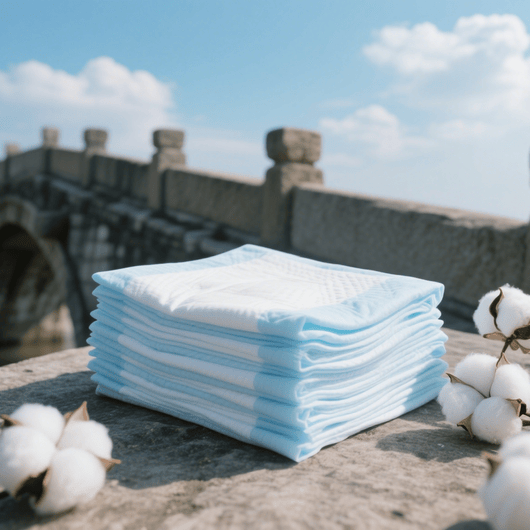
A5: Products like Stubborn Stain Scrubbing Mop Cloths, Diaper Core Raw Material Nonwoven Fabric, Hydrating Cooling Wet Towelettes, and Hypoallergenic Cotton Nonwoven Tissue Material highlight Weston’s leadership in engineered disposable non-wovens.
For a free sample, contact [email protected].
This comprehensive exploration reveals the trade-offs and superior technical justification for choosing fabric types in disposables, helping manufacturers and buyers align materials with product demands intelligently.
WESTON
Privacy Policy | SiteMap
Copyright WESTON