- Email: [email protected]


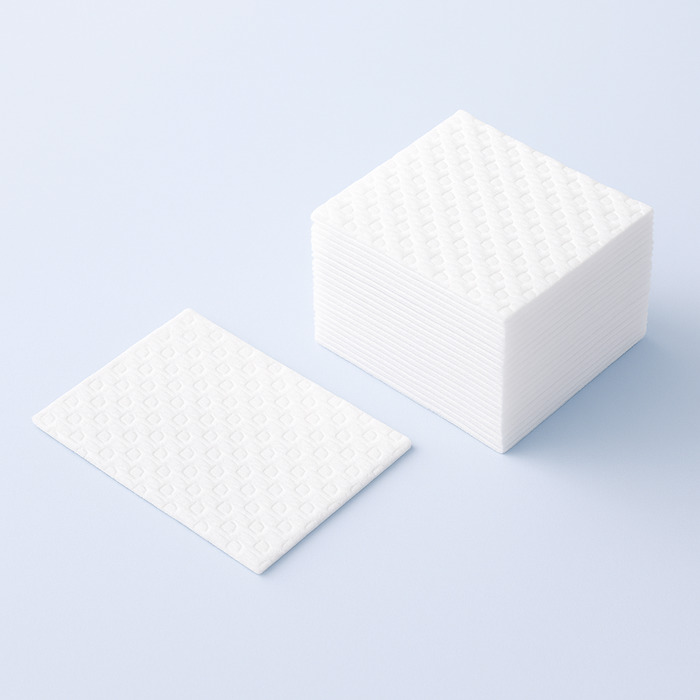
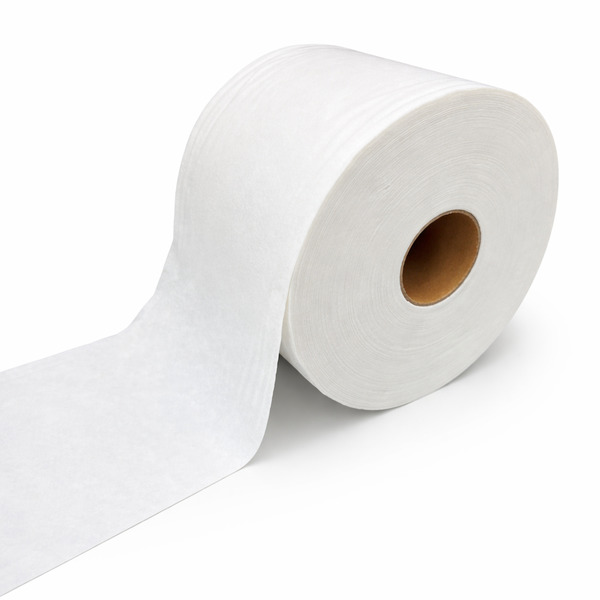
Wood Pulp Lyocell Spunlace Nonwoven Fabric is a two-fiber system joined by hydro-entanglement. It blends Lyocell, a regenerated cellulose fiber made from wood pulp, with wood pulp itself to form a fabric that is soft to the touch, strong in both dry and wet states, and capable of high absorbency.

The spunlace process uses high-pressure water jets to physically entangle fibers, creating a dense, uniform network without relying on heavy binders. In practice, this yields a nonwoven that feels gentle on skin while resisting tearing and deformation under use. This combination is not only breathable and comfortable but also designed to degrade more cleanly than typical synthetic alternatives. Certain high-friction variants further intensify grip without sacrificing softness or absorbency.
In cleaning and wipe applications, the fabric’s absorbency must rapidly trap liquids while maintaining surface integrity. The wood pulp content enables faster liquid uptake, and Lyocell contributes a strong, continuous fiber matrix that resists gelation and tearing under wet conditions. This combination makes the material well-suited for consumer wipes, medical wipes, and industrial cleaning tasks where dependable absorption matters.
For packaging interfaces that touch delicate goods or sensitive surfaces, a balance of softness and strength is essential. Lyocell fibers bring a smooth surface and skin-friendly feel, while the entangled fabric structure provides lateral strength. The result is a nonwoven that can handle repeated wiping cycles without abrading the surface being cleaned or packaged.
Certain hygiene and industrial tasks demand a non-slip surface, especially in wet environments. High-friction variants of Lyocell spunlace fabrics achieve improved grip through a denser, textured fiber network, reducing slips during handling and increasing process reliability in busy workplaces.
Comfort and Skin-Friendliness: The circular cross-section of Lyocell fibers and the smooth surface profile reduce irritation during direct contact, making them suitable for wipes used on skin and mucous membranes.
Strength and Resilience: Spunlace bonding yields a fabric that withstands pulling and tearing, improving product durability in wipes, medical coverings, and industrial interiors where abrasion resistance matters.
Absorbency with Controlled Release: The combination of Lyocell and wood pulp supports rapid uptake of fluids while maintaining structure, helping to prevent saturation-induced tearing or fiber shedding.
Environmental Considerations: The closed-loop, solvent-recovery process used in Lyocell manufacturing and the renewable wood pulp feedstock contribute to a more eco-conscious profile compared with purely synthetic nonwovens.
Lyocell fibers are generally positioned between traditional viscose and certain synthetics in terms of cost. As capacity expansions continue, price dynamics may change, but the value proposition lies in performance consistency and sustainability advantages rather than price alone.
Spunlace fabrics rely on careful process control to achieve consistent fiber entanglement and texture. Differences in fiber blend ratios, web formation, and post-treatment can affect softness, absorbency, and strength. Practical deployment requires strict process adherence and supplier collaboration to preserve the intended performance envelope.
While Lyocell-based spunlaces have biodegradable tendencies, actual end-of-life behavior depends on the full material composition and disposal method. Users should align material choices with local recycling or composting capabilities and regulatory frameworks.
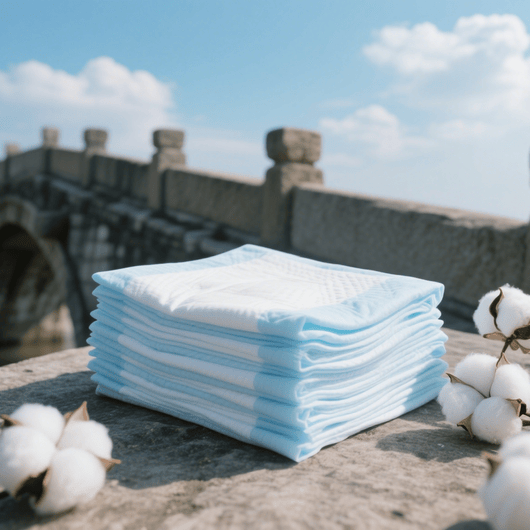
Wet wipes, facial cleansing wipes, baby wipes, and medical wipes benefit from the fabric’s combination of softness, absorbency, and integrity during use. Its skin-friendly profile helps reduce irritation in frequent-use products.
Drapes, nonwoven sheets, and disposable medical wipes rely on reliable strength and a gentle touch. The fabric’s ability to retain structure when damp supports sterility and handling efficiency in clinical workflows.
In environments where oily residues or abrasive surfaces must be cleaned, high-friction variants offer improved control and safety, helping workers perform tasks more efficiently while reducing material waste.
For packaging applications that require protective, absorbent layers with a low risk of shedding or snagging, wood pulp Lyocell spunlace nonwoven fabric provides a balanced solution that aligns with sustainability goals while delivering dependable performance.
The synergy between Lyocell and wood pulp under hydro-entanglement enables a unique performance profile. Practitioners should specify the target grammage, thickness, and finish in line with the intended end-use, mindful of how these choices influence softness, tear strength, and absorbency.
If grip is a priority, exploring high-friction variants or controlled surface textures can provide tangible handling benefits. These variants maintain softness while delivering improved contact performance in wet or oily contexts.
Establish testing for dry and wet tensile strength, surface feel, absorption rate, and microbial cleanliness where relevant. Consistent testing ensures that the final product meets consumer expectations and regulatory requirements across different markets.
For teams prioritizing environmental credentials, leverage the closed-loop processing narrative around Lyocell and the renewable feedstock. Communicate these advantages carefully, ensuring that all claims are accurate and supported by supplier documentation and lifecycle data.
The integration of wood pulp with Lyocell in a spunlace nonwoven offers a practical blend of softness, strength, absorbency, and grip—traits directly relevant to both packaging and hygiene applications. The technology’s strength lies in hydro-entanglement, which bonds fibers without heavy binder chemistry, producing a fabric that behaves predictably under real-world conditions.
While market dynamics and end-of-life considerations merit ongoing attention, the material’s steady emphasis on performance with an eco-conscious footing positions Wood Pulp Lyocell Spunlace Nonwoven Fabric as a sensible, forward-looking choice. As manufacturers refine processes and expand capacity, these fabrics can continue to deliver reliable, measurable performance gains across industries.
WESTON
Privacy Policy | SiteMap
Copyright WESTON