- Email: [email protected]


In the world of commercial foodservice—whether it’s a central kitchen supplying nationwide stores, a high-volume hot deli, or a quick-service chain turning hundreds of covers per hour—cleaning isn’t just a task. It’s a controlled system that directly affects food safety, workflow efficiency, brand reputation, and labor cost.
Yet most kitchens still struggle with outdated wiping methods: linty paper towels, soggy dish rags, and inconsistent disposable cloths. These common tools slow down operations, increase contamination risks, and often end up using more wipes—not fewer.
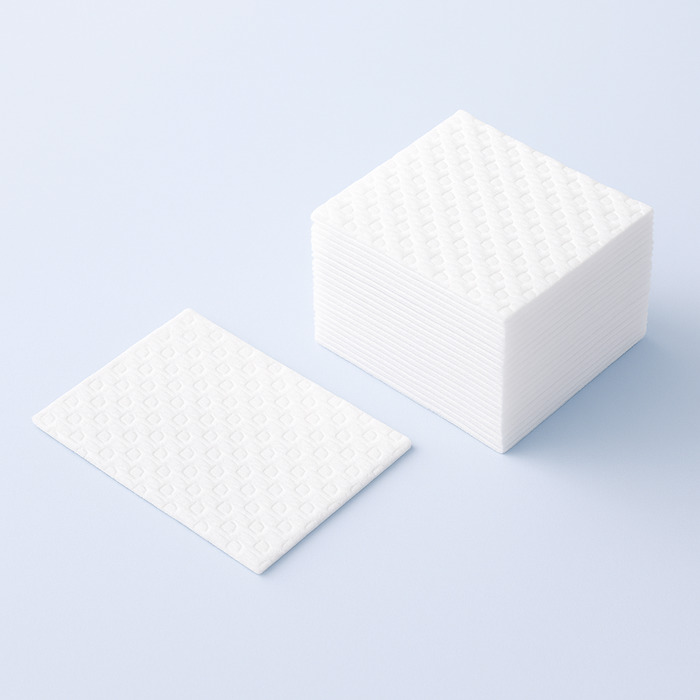
This is where Professional Foodservice Wipes made from spunlace nonwoven step in as a modern, operationally efficient, and cost-saving upgrade.

Foodservice environments operate under constant pressure: hot surfaces, cold stations, oil splatter, moisture buildup, and strict hygiene protocols. But the real challenge is managing all these variables without slowing down the line.
The top cleaning-related pain points include:
Paper towels tear quickly and are prone to leave residues.
Lint buildup on prep tables and stainless steel disrupts workflow and violates hygiene SOPs.
Customers increasingly notice surface cleanliness—especially in open kitchens.
Rags reused across stations absorb bacteria, oils, food residues, and allergens. In large kitchens, reused towels are one of the biggest contributors to HACCP failures.
Paper towels fall apart when wet.
Cloth rags can’t absorb oil effectively.
Lower-grade disposable wipes require multiple sheets per task.
The result? More waste, higher cost, and extra labor time.
Spunlace wipes solve these problems not just with better materials—but with engineering built for modern kitchen workflow.
Spunlace nonwoven is produced by entangling fibers using high-pressure water jets, creating a strong, uniform, soft-yet-durable structure—without adhesives or chemicals.
Compared to traditional wiping materials:
| Paper Towels | Spunlace Foodservice Wipes |
| Tears easily | Strong when wet & dry |
| Lints heavily | Low-lint finish |
| Low absorbency | High absorbency & oil pickup |
| One-time use | Efficient single-sheet performance |
| Cloth Rags | Spunlace Foodservice Wipes |
| Harbor bacteria | Hygienic single-use |
| Inconsistent quality | Uniform industrial production |
| Hold odors/oils | Clean, residue-free |
| Hard to standardize | HACCP-aligned color coding |
For foodservice providers, spunlace wipes deliver a consistent, food-safe cleaning experience, reducing both hygiene risks and operational friction.
A high-performance foodservice wipe should excel in four essential KPIs:
Spunlace fibers (such as viscose + polyester blends or bamboo fiber options) can hold 6–8× their weight in water—significantly outperforming paper or general nonwovens.
In fryer areas, grills, and prep counters with heavy oils, Weston’s engineered blend wipes lift and trap oil instead of pushing it around.
Commercial kitchens frequently sanitize surfaces with:
Quat solutions
Chlorine-based sanitizers
Alcohol or enzyme cleaners
Spunlace maintains structural integrity even after extended saturation.
A key differentiator—especially in high-visibility restaurants. This prevents:
Particle contamination
Re-cleaning
Customer complaints
Quality control failures
These metrics make spunlace the new industry standard for Professional Foodservice Wipes.
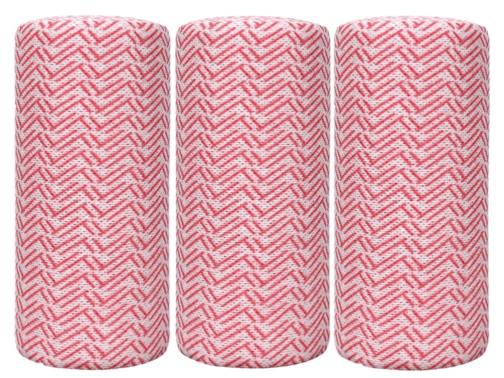
Different kitchen zones require different performance qualities. Spunlace wipes offer multi-zone adaptability:
Remove food residue, crumbs, moisture
Pair with sanitizer buckets
Replace linty paper towels entirely
Wipe stainless steel, cutting boards, and countertops
Resist heat and grease
Maintain quick turnover during rush hours
Absorb oil splatter
Maintain safe working surfaces
Reduce slip hazards
Clean slicer residue
Wipe trays, packaging areas, prep boards
Remove flour dust without leaving lint
Maintain glass and stainless steel visibility
For businesses seeking sustainable options, Biodegradable Bamboo Food Residue Cleaning Cloths offer a compostable alternative with comparable strength and absorbency.
Kitchen workflows depend heavily on how wipes are dispensed and stored. Weston Manufacturing offers multiple formats engineered for commercial teams:
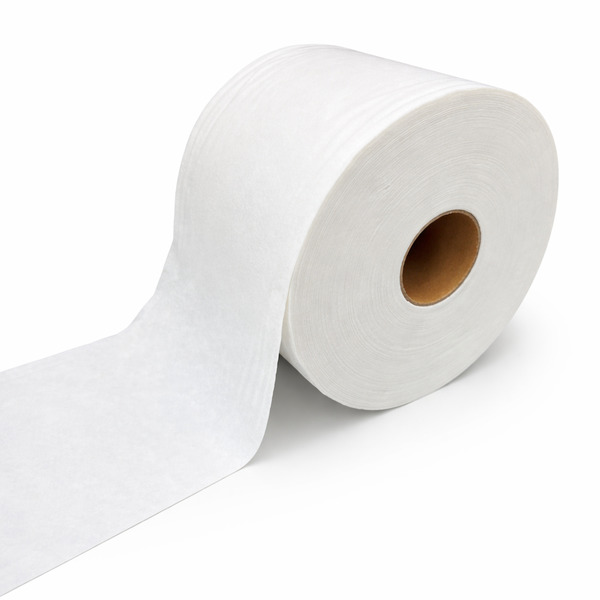
Ideal for back-of-house or central kitchens:
Large capacity
Better cost per sheet
Hygienic storage
Excellent for high-volume usage
For fast-paced stations needing one-hand dispensing:
Prevent cross-contact
Reduce unnecessary pulling
Quick refills
Blue → General cleaning
Red → Raw meat zones
Green → Produce
Yellow → Cooked food
Color-coded wipes help prevent dangerous cross-contamination and support SOP compliance.
Switching to spunlace wipes isn’t an expense—it’s a profit-driven operational decision.
One premium spunlace sheet often replaces:
3–5 paper towels
1–2 cloth rags
Cleaner workflows = fewer hygiene failures, fewer customer complaints, and less downtime for re-cleaning.
Faster wiping
Less rework
Higher line speed
Higher-performance wipes = less product consumption, lower disposal volume, and reduced cost.
For chain restaurants, these efficiencies compound across hundreds of stores, generating significant annual savings.
Before purchasing bulk wiping materials, foodservice operators should evaluate:
High absorbency?
Good oil pickup?
Strong when wet?
Low linting?
Food-contact safe?
Color-coded options?
Single-use or reusable?
Spunlace viscose/polyester
Eco-friendly bamboo versions
Fragrance-free and chemical-free
Carton packed
Pop-up interfold
Refills compatible with existing dispensers
Consistent quality
Fast lead times
Factory-direct pricing
Certifications (ISO, SGS, FDA-compliant materials)
This is where Weston Manufacturing stands out.
Weston’s spunlace nonwoven wipes are engineered for professional kitchens, not household use. With advanced water-jet entanglement lines, strict quality control, and sustainable material options, Weston delivers:
Low-lint spunlace fabric
High absorbency & oil pickup
Food-safe raw material sourcing
Color-coded options for HACCP compliance
Custom GSM, pattern, width, and packaging
Factory-direct pricing for large buyers
For eco-driven brands, Weston also provides Biodegradable Bamboo Food Residue Cleaning Cloths as a sustainable upgrade.
WESTON
Privacy Policy | SiteMap
Copyright WESTON