- Email: [email protected]


Outdoor gear lives in the real world, not in perfect lab conditions. Rain, humidity, mud, condensation, and repeated handling are part of everyday use. For manufacturers, choosing the right fabric is less about chasing extreme performance and more about finding materials that work reliably, consistently, and at scale.
Water-resistant spunlace fabric is one of those materials. It rarely makes headlines, but it quietly solves many practical problems faced by outdoor gear designers and sourcing teams.

In outdoor product development, “waterproof” often sounds like the ultimate goal. In reality, most gear does not need to block water indefinitely. What it needs is controlled water resistance.
Water-resistant materials:
Slow down liquid penetration during rain or splashes
Dry faster after exposure
Maintain flexibility and comfort
Avoid trapping moisture inside the product
For liners, covers, accessory components, and protective layers, water resistance is often the smarter and more efficient choice. This is where spunlace nonwoven fabrics perform especially well.
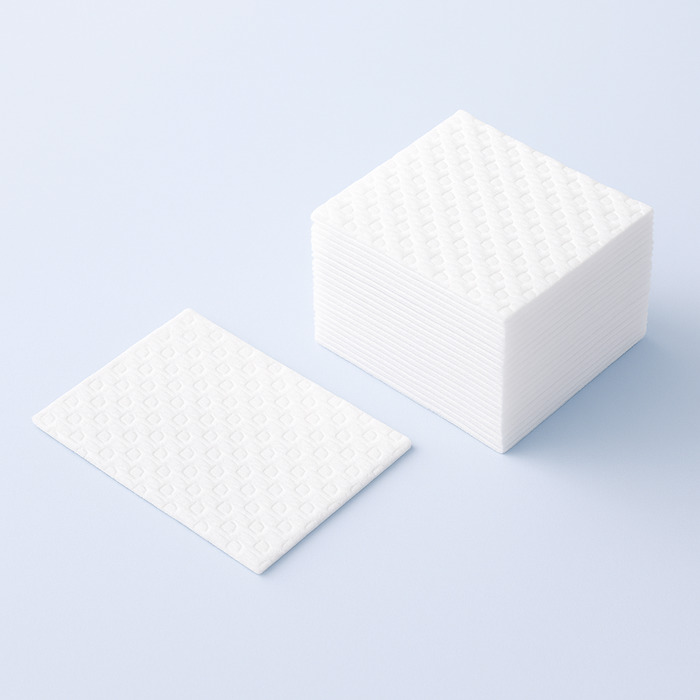
Spunlace fabric is a nonwoven material made by entangling fibers with high-pressure water jets. No chemical binders or thermal bonding are required.
This process creates a fabric that is:
Soft and flexible
Structurally strong
Low lint
Uniform across large surface areas
Common fiber compositions include polyester, viscose, cotton, or blends, each offering different balances of strength, softness, and moisture behavior.
Spunlace fabric is not inherently waterproof, and that is actually part of its advantage.
Water resistance is achieved through:
Fiber selection that limits water absorption
Fabric density control during hydroentanglement
Optional surface treatments that repel liquid without sealing pores
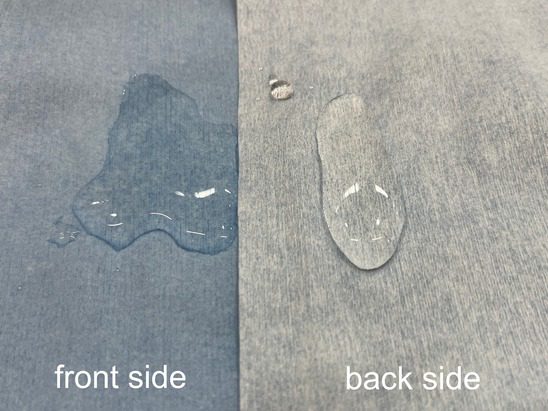
Unlike coated fabrics, spunlace can remain breathable. Vapor escapes, but liquid penetration is slowed. This balance helps prevent condensation buildup inside outdoor products.
When compared with traditional woven textiles or heavily coated materials, spunlace offers a different value profile.
Key differences include:
Weight: spunlace is typically lighter
Noise: softer hand feel, less rustling
Flexibility: better folding and packing behavior
Processing: easier cutting, laminating, and sewing
For many outdoor applications, spunlace provides enough protection without adding stiffness, bulk, or unnecessary cost.
Outdoor manufacturers tend to focus on measurable, repeatable properties rather than marketing claims. High-quality water-resistant spunlace fabric offers:
Stable tensile strength, even when wet
Good tear resistance for its weight class
Low linting for clean assembly environments
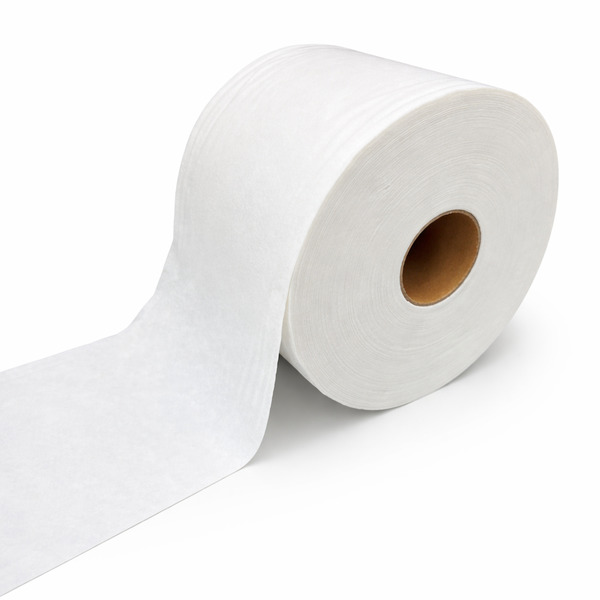
Consistent thickness and basis weight across rolls
These characteristics make spunlace suitable for large-scale production where predictability matters.
Water-resistant spunlace fabric is widely used in components that face intermittent moisture rather than long-term immersion, such as:
Backpack and equipment bag liners
Protective covers for camping and travel gear
Tool and accessory wraps
Outdoor maintenance and field-service wipes
In these use cases, comfort, flexibility, and ease of handling are just as important as water resistance.
At the wholesale level, material decisions are rarely emotional. Buyers care about supply stability, technical consistency, and long-term cooperation.
This is why sourcing teams increasingly evaluate Water Resistant Spunlace Fabric Wholesale options based on:
Process control rather than surface claims
Customizable specifications for different product lines
Reliable batch-to-batch performance
Technical support during development and scale-up
Spunlace production relies primarily on water entanglement, which reduces the need for chemical binders. Many manufacturers now offer options using biodegradable or recyclable fibers.
From a practical sustainability standpoint:
Using “right-level” performance avoids excess coatings
Lighter materials reduce transportation impact
Durable nonwovens extend product usability
Sustainability here is less about slogans and more about sensible material choices.
Some spunlace producers focus narrowly on wipes. Others develop fabrics for broader industrial and outdoor applications.
Weston Manufacturing, for example, supplies spunlace materials designed for controlled water resistance, consistent structure, and scalable production. Their experience in Water Resistant Spunlace Fabric Wholesale allows outdoor gear manufacturers to fine-tune fabric weight, fiber composition, and surface behavior based on actual application needs rather than generic specifications.
This kind of supplier involvement is often more valuable than chasing the highest performance number on paper.
Water-resistant spunlace fabric is not a miracle solution, and it does not need to be. Its strength lies in reliability, flexibility, and adaptability.
For outdoor gear manufacturers designing products meant to be used, folded, packed, and reused in unpredictable environments, spunlace offers a grounded, functional option that deserves serious consideration.
WESTON
Privacy Policy | SiteMap
Copyright WESTON