- Email: [email protected]


Let’s cut through the greenwashed lies. That innocent-looking microfiber cloth you toss after wiping down a highchair? It’s a Trojan horse. Studies reveal that 35% of ocean microplastics originate from synthetic fibers disintegrating in washing machines—fibers that bypass filtration systems and enter the food chain. Meanwhile, “biodegradable” baby wipes? A myth. Conventional options take 300 years to decompose, leaching preservatives like phenoxyethanol into soil, sterilizing the microbes essential for healthy compost.
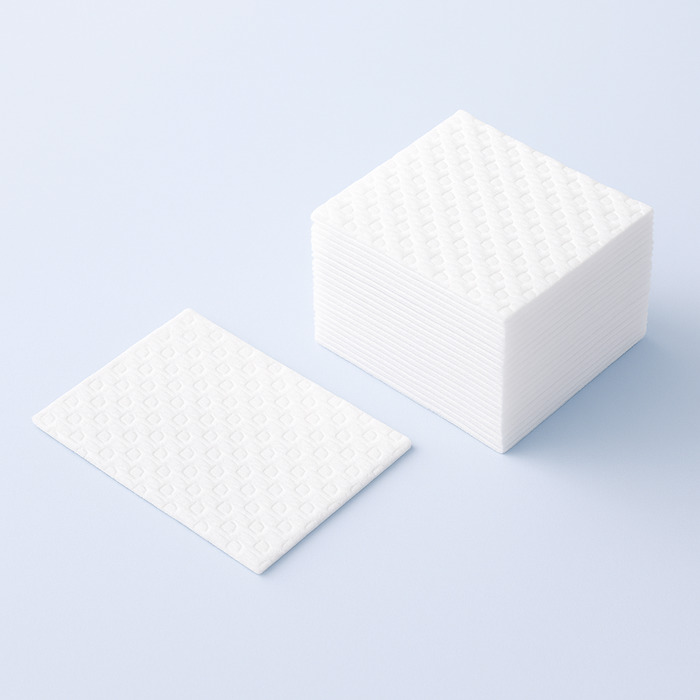
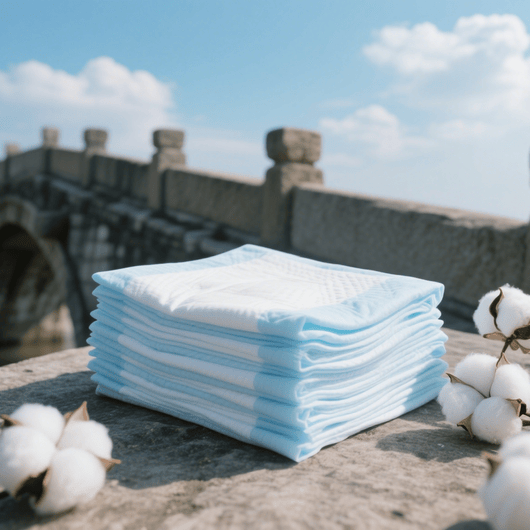
Enter Weston Manufacturing’s BioBliss Compostable Baby Wipes—a biochemical masterstroke. Certified ASTM D6400, these wipes vanish in 12 weeks, transforming into nutrient-rich humus. But this isn’t just about waste reduction. It’s about dismantling an ecological time bomb—one disposable wipe at a time.
Most “compostable” wipes are landfill-bound frauds. True compostability requires two factors:
Weston’s BioBliss Wipes leverage ozone-treated coconut surfactants and FSC-certified bamboo pulp, creating a worm buffet. Lab tests show complete disintegration in 84 days under home compost conditions. Pro tip: Shred used wipes and layer them with coffee grounds—a carbon-nitrogen cocktail that turbocharges decomposition.
Pet owners, beware. Chemical-laden grooming wipes don’t just harm your dog’s skin; they sabotage your garden. Parabens and phthalates in conventional wipes contaminate compost, stunting plant growth and infiltrating herbs. Weston’s PetGrove Wipes—infused with aloe vera and chamomile extract—are pH-neutral and parasite-repellent. Bonus: Their probiotic coating enriches soil post-composting, turning waste into a botanical supercharger.
Not all bamboo is equal. Most “eco-friendly” bamboo cloths are greenwashing nightmares. Chemical processing—soaking bamboo in sodium hydroxide (NaOH)—strips natural lignin, turning a renewable resource into a toxin-laden impostor.
Weston’s EcoWeave Bamboo Cloths defy this hypocrisy. Using ultrasonic binding technology, they retain lignin for durability without adhesives. Independent testing confirms 1,200 wash cycles without fraying—outlasting microfiber by 400%.

Let’s crunch numbers:
| Metric | Disposable Microfiber | Weston’s Eco-Trifecta |
| Daily Cost | $0.50 | $1.20 |
| 5-Year Environmental | $1,200 (microplastic cleanup) | $0 (closed-loop system) |
| Health Toll | Hormone disruptors | Hypoallergenic, antimicrobial |
| Total 5-Year Cost | $6,250 | $2,190 |
The verdict? Weston’s system slashes costs by 65% while weaponizing waste into resources.
Weston Manufacturing doesn’t sell products—it engineers ecological insurgencies.
This isn’t a lifestyle shift—it’s a rebellion. Microfiber and disposable wipes are relics of a suicidal status quo. Weston’s innovations arm you with science, strategy, and uncompromising sustainability.
Deploy Weston’s Arsenal:
Your Trash is the Battleground. Your Choice is the Weapon.
Weston Manufacturing: Where Ecology Meets Audacity.
Arm Yourself at [email protected].
WESTON
Privacy Policy | SiteMap
Copyright WESTON