- Email: [email protected]


The modern feminine hygiene industry stands at a critical crossroads, where convenience traditionally trumps environmental responsibility. Conventional sanitary napkins contain as much as 90% plastic and bleached wood pulp by weight. These petroleum-based components create a devastating environmental footprint, from resource extraction through centuries of decomposition in landfills. The cultural stigma surrounding menstruation has further obscured the ecological consequences of these products, leaving consumers unaware of the environmental trade-offs they make monthly.
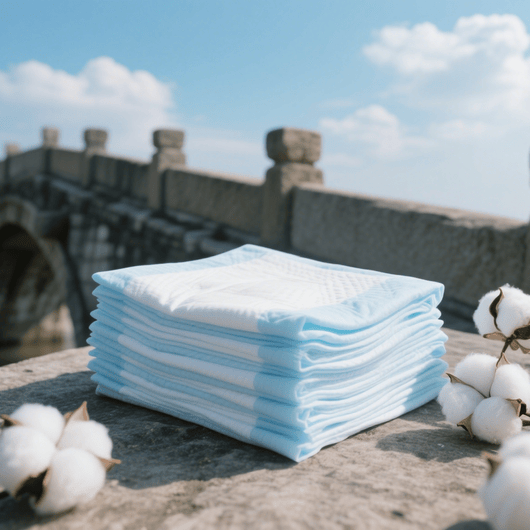
The journey toward sustainable menstruation requires reimagining every aspect of product design—from materials to manufacturing processes. Plant-based alternatives are emerging not as niche options but as necessary innovations in the evolution of feminine hygiene. Among these, bamboo fiber sanitary napkins represent a sophisticated convergence of scientific innovation, environmental stewardship, and feminine care that doesn’t compromise on performance or protection.

Bamboo possesses remarkable natural properties that make it exceptionally suited for feminine care applications. As a rapidly renewable resource, bamboo grass can grow up to 91 cm (36 inches) in a single day, reaching maturity in just 3-5 years—significantly faster than the decades required for timber trees. This rapid growth cycle, coupled with minimal need for pesticides or irrigation, makes bamboo an exceptionally sustainable raw material.
The inherent properties of bamboo fiber extend beyond sustainability advantages. Bamboo contains a natural antimicrobial agent called “bamboo kun,” which remains active even after processing into fabric. This biological characteristic prevents the growth of bacteria and odors—a critical benefit for intimate hygiene products. Additionally, bamboo fibers exhibit superior breathability and thermoregulating properties, maintaining comfort throughout use.
Microscopically, bamboo fibers feature numerous micro-gaps and micro-holes that enhance their moisture-wicking capabilities, allowing them to absorb approximately three times their weight in liquid. This exceptional absorption capacity surpasses that of traditional cotton and aligns with premium performance standards in feminine hygiene protection.
While bamboo leads the plant-based revolution in feminine care, other advanced materials are simultaneously transforming the industry landscape. These innovations offer complementary properties that address different aspects of comfort, protection, and environmental responsibility.
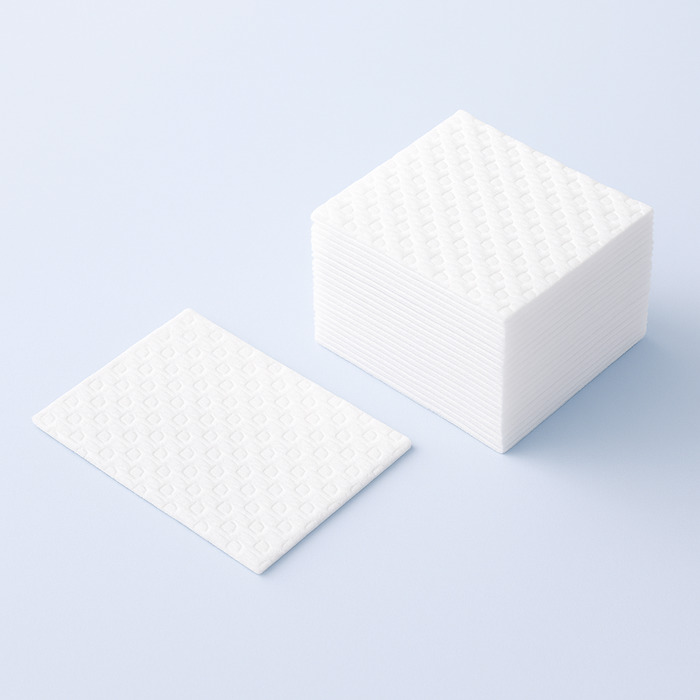
Nonwoven Fabric for Premium Wet Wipes represents a significant advancement in daily intimate care. These fabrics are created through hydroentanglement processes that use high-pressure water jets to interlock fibers, resulting in materials that are exceptionally soft yet durable. Unlike woven fabrics, nonwovens can be engineered to specific performance characteristics—absorbency, softness, strength—while minimizing material waste during production.
Flushable Plant-Based Spunlace Nonwoven Fabric addresses the critical need for disposable convenience without environmental persistence. Through precise engineering of fiber length and entanglement strength, manufacturers create materials that maintain integrity during use but break down rapidly after flushing. These fabrics typically comprise 100% cellulose or wood pulp blends that disintegrate similarly to toilet paper, preventing sewer blockages and reducing landfill burden. The flushability and degradation performance of these materials are verified through rigorous laboratory testing to ensure they meet industry standards for dispersibility and biodegradability.
Silk Cocoon Derived Face Mask Sheet technology might seem unrelated to feminine care initially, but the material science has compelling cross-applications. Silk fibroin, a protein derived from silk cocoons, exhibits exceptional biocompatibility and promotes skin health. Researchers have discovered that silk biomaterials possess anti-inflammatory and pro-angiogenic properties that significantly accelerate wound healing. While not directly used in sanitary napkins, this technology inspires innovative approaches to preventing and soothing skin irritation associated with menstrual products.
High Absorbency Fluff Pulp Polypropylene Composite represents a hybrid approach to fluid management. By combining the natural absorption of cellulose fluff pulp (which can absorb 100 cc of water per gram of pulp in “free swell” conditions) with the structural integrity of polypropylene, manufacturers create core layers that efficiently draw moisture away from the skin while preventing leaks. These composites balance performance with reduced environmental impact compared to fully synthetic alternatives.
Transforming these innovative materials into effective feminine care products requires advanced manufacturing methodologies that prioritize both performance and sustainability.
The production of bamboo fiber for sanitary napkins employs a closed-loop process that minimizes chemical waste. Unlike conventional wood pulp processing that relies on chlorine bleaching, bamboo processing typically uses oxygen-based bleaching methods that produce fewer toxic byproducts. The resulting fibers are then bonded through hydraulic entanglement (spunlacing) rather than chemical adhesives, creating inherently cleaner products that reduce potential for skin irritation.
Weston Manufacturing exemplifies this manufacturing evolution, utilizing sophisticated technology to transform sustainable raw materials into high-performance hygiene products. Their production facilities implement energy-efficient processes and waste reduction systems that significantly lower the environmental footprint of feminine care manufacturing.
The integration of biodegradable plant-based materials extends beyond merely the absorbent core. Today’s most advanced eco-friendly sanitary napkins feature plant-based backing materials, biodegradable release papers, and even packaging made from recycled materials—creating a comprehensively sustainable product architecture.
A persistent misconception suggests that eco-friendly feminine products compromise on performance. Scientific evaluation reveals this presumption to be outdated. Modern bamboo fiber sanitary napkins demonstrate comparable or superior performance to conventional alternatives across multiple parameters:
Absorbency rates for bamboo fibers compete effectively with synthetic materials, with advanced designs incorporating gradient density cores that pull moisture away from the skin rapidly.
Breathability metrics significantly exceed those of plastic-based products, reducing moisture buildup and associated skin irritation.
Comfort characteristics benefit from bamboo’s natural softness, which often eliminates the need for chemical softeners that can cause allergic reactions.
Odor control through natural bamboo kun antimicrobial properties provides an effective alternative to chemical fragrance masking agents.
Independent laboratory testing confirms that premium bamboo fiber sanitary napkins meet or exceed industry standards for dryness, leakage prevention, and wearing comfort. The performance paradox has been resolved through material science innovations that align protection with planetary responsibility.

Comprehensive life cycle assessments (LCA) provide scientific validation of bamboo’s environmental advantages over conventional materials. These analyses evaluate products across multiple impact categories—from raw material extraction through manufacturing, distribution, use, and final disposal.
Bamboo-based sanitary products demonstrate reduced carbon emissions throughout their life cycle, primarily due to bamboo’s rapid carbon sequestration during growth and lower processing energy requirements. Additionally, bamboo cultivation typically requires fewer pesticides and fertilizers than conventional cotton, reducing agricultural runoff and soil contamination.
The end-of-life scenario presents particularly compelling advantages. While conventional plastic-based pads may persist in landfills for centuries, bamboo-based products biodegrade significantly faster, returning to organic matter without releasing persistent microplastics into ecosystems. Some advanced designs even offer home-compostable options under appropriate conditions, creating circularity in what was previously a linear waste stream.
Water usage presents a more complex picture. While bamboo requires less irrigation than cotton during growth, the pulping process does involve significant water use. Leading manufacturers address this through water recycling systems that dramatically reduce net consumption, with some facilities achieving nearly closed-loop water systems.
The ecological impact of feminine care extends beyond the products themselves to encompass broader systemic considerations:
Supply chain transparency ensures raw materials are sourced from responsibly managed bamboo forests that protect biodiversity rather than monoculture plantations that may displace native ecosystems.
Manufacturing energy portfolios influence the carbon footprint more significantly than material choices alone. Leading manufacturers like Weston increasingly power facilities with renewable energy, amplifying the sustainability benefits of plant-based materials.
Transportation logistics contribute substantially to overall emissions, creating opportunities for regional manufacturing hubs that reduce shipping distances.
Educational initiatives empower consumers to make informed choices based on scientific evidence rather than marketing claims, fostering a more discerning market for truly sustainable products.
Circular economy infrastructure development enables commercial composting facilities to process biodegradable products effectively, realizing their end-of-life potential that home composting may not achieve at scale.
The innovation trajectory in sustainable feminine care points toward increasingly sophisticated material solutions that blur the distinction between protection and skin care:
Bioactive infusion technologies that embed natural botanicals with skin-beneficial properties within bamboo fibers without compromising biodegradability.
Smart moisture indicators using plant-based dyes that signal when change is needed, reducing unnecessary product use while maintaining protection.
Biomimetic design approaches that replicate the capillary action of natural systems for even more efficient fluid management with less material.
Carbon-negative production methods that sequester more atmospheric carbon than the manufacturing process emits, creating climate-positive feminine products.
Customizable absorbency systems through modular designs that allow users to adjust protection levels throughout their cycle, eliminating over-engineering for light flow days.
These emerging innovations promise to further bridge the gap between exceptional performance and environmental responsibility, making sustainable choices increasingly desirable rather than merely conscientious.
The evolution of feminine care from conventional plastic-based products to advanced plant-based alternatives represents more than a material substitution—it signifies a fundamental rethinking of the relationship between personal wellness and planetary health. Bamboo fiber sanitary napkins embody this paradigm shift, offering women a vehicle for environmental stewardship that doesn’t require compromising on comfort or protection.
The scientific evidence overwhelmingly supports the efficacy of these plant-based alternatives, while life cycle assessments confirm their environmental advantages. As manufacturing innovations continue to enhance performance and reduce ecological impact, sustainable feminine care transitions from niche option to mainstream necessity.
This transformation invites women to participate in a circular economy that values both intimate health and ecosystem integrity. By choosing products crafted from rapidly renewable materials like bamboo, consumers leverage their purchasing power to support agricultural practices and manufacturing systems that regenerate rather than deplete natural systems.
Weston Manufacturing supports this transition by offering free product samples to appropriate commercial partners and manufacturers interested in evaluating these advanced materials. For technical specifications and sample requests, contact [email protected] to explore how these innovative materials can enhance your product lines while advancing sustainability goals.
The future of feminine care is indeed green—not as a compromise but as an evolution toward products that honor both the female body and the planetary systems that sustain us all.

WESTON
Privacy Policy | SiteMap
Copyright WESTON