- Email: [email protected]


Open any first aid kit, and you’ll see them — small, sealed packets stacked beside the bandages. Most people barely notice them until something stings. But antiseptic wipes are the quiet tool that makes every other item in the kit work better. They don’t heal the wound. They make sure nothing gets in the way of healing.
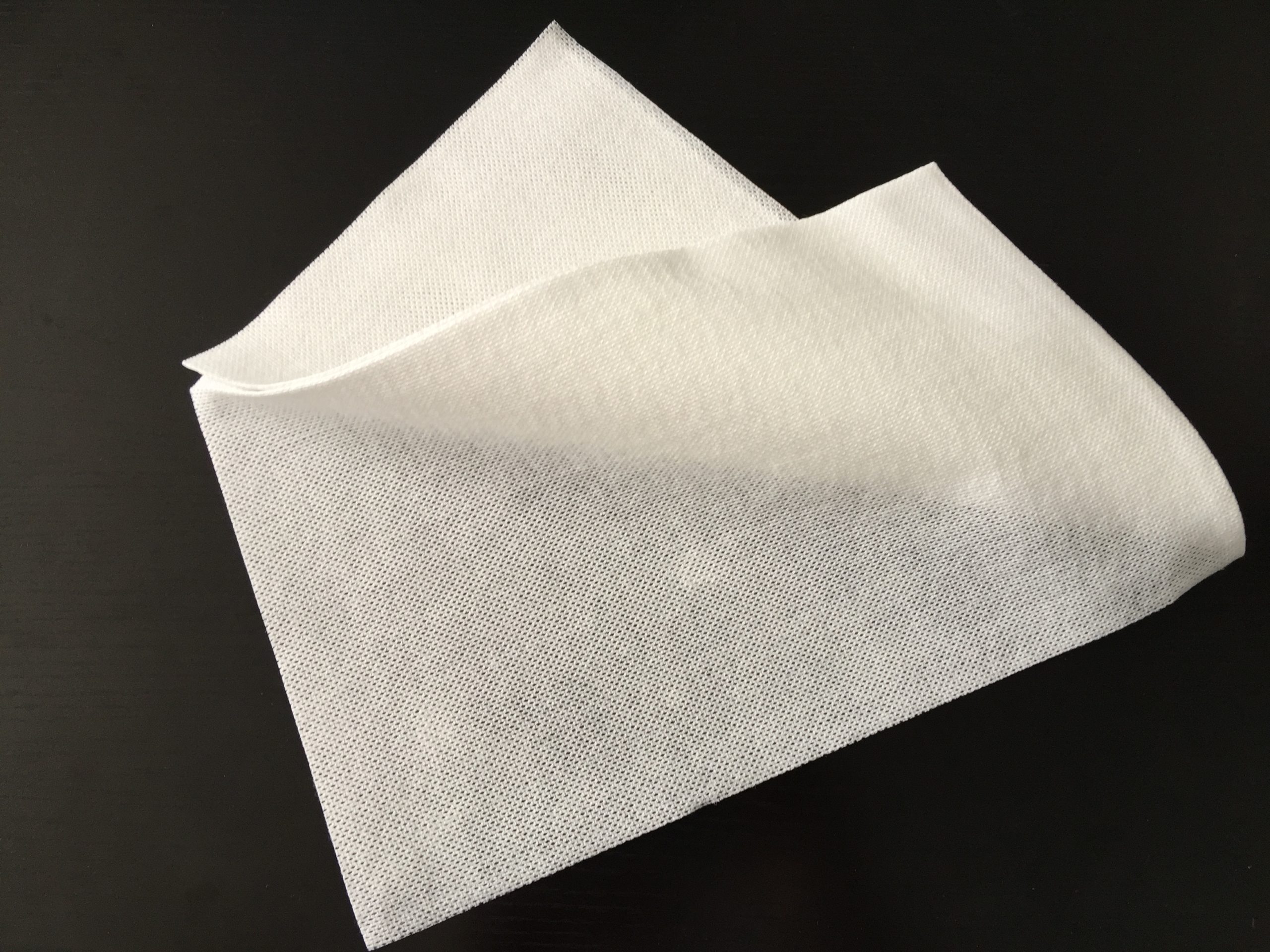
Antiseptic wipes are small cloth pads soaked in a disinfecting liquid. Most contain alcohol, chlorhexidine, or benzalkonium chloride — ingredients that kill bacteria and other germs on the skin. They are meant for quick cleaning when soap and water aren’t around.
Unlike cosmetic wet wipes, antiseptic wipes are made for medical use. They don’t moisturize or perfume your skin. Their job is simple: make the area clean and safe before you treat it.
When someone gets a scrape, blister, or small cut, the first reaction is usually to reach for a bandage. But before covering the wound, the surface has to be clean. Dirt and bacteria trapped under a dressing can lead to infection. That’s where antiseptic wipes come in.
They help in small but important ways:
| Situation | How You Use Them | Why It Matters |
| A small cut or scrape | Wipe around and gently over the area | Removes dirt and bacteria before dressing |
| Insect bite or blister | Dab the skin before applying cream | Keeps the area clean and reduces risk of irritation |
| Using tweezers or scissors | Wipe the tools first | Prevents cross-contamination |
| No water available | Clean your hands before touching a wound | Stops germs from spreading |
Each of these moments seems small. But together, they make first aid effective instead of risky.
Not all antiseptic wipes are the same. Some are strong and fast, others are mild and steady.
| Type | Main Ingredient | Benefits | Drawbacks | When to Use |
| Alcohol-based | 70% isopropyl alcohol | Dries quickly, kills most germs fast | Can sting and dry skin | Outdoor kits, emergency cleaning |
| Non-alcohol | Benzalkonium chloride or chlorhexidine | Gentle, doesn’t sting, safe for kids | Slightly slower action | Home use, sensitive skin, frequent cleaning |
If your kit is for general family use, having both types is ideal. Alcohol wipes handle sudden accidents. Non-alcohol ones take care of gentle cleaning or children’s scrapes.

Many people think antiseptic wipes are only for cleaning skin. In reality, they do much more. They help keep your hands clean when there’s no sink nearby. They can wipe down scissors, thermometers, or tweezers before use.
They also save water. When you’re camping, traveling, or in a place with limited supplies, they allow safe cleaning without a tap. This is why rescue kits, field packs, and emergency shelters always include them.
Even in hospitals, nurses often use antiseptic wipes to clean small surfaces — not because they replace proper disinfection, but because they work fast and reduce contamination risk between steps.
A few habits make antiseptic wipes less effective than they should be.
Using them like baby wipes. They’re not for general cleaning or makeup removal. They contain stronger ingredients that can dry or irritate normal skin.
Wiping too quickly. The liquid needs a few seconds to do its job. Wipe slowly and let the skin air-dry before covering the area.
Keeping old wipes. Antiseptic solutions weaken over time. Once opened or past expiry, the pad may not disinfect properly.
Leaving packets open. Air dries them fast. Always seal the pack again or use individually wrapped ones.
A little care keeps them reliable when you need them most.
Moisture is what makes antiseptic wipes work, so it’s also what they lose first. Keep them in a cool, dry spot away from direct sunlight or heat. Don’t store them in your car — high temperatures will dry them out or break down the active ingredients.
If your kit sits unused for months, check the wipes before you need them. Squeeze the packet gently. If it feels dry or thin, replace it. Keeping a few fresh packets in your bag or travel pouch is a smart backup.
In first aid, the small steps matter. Cleaning before covering, thinking before taping — these moments decide whether a wound heals cleanly or becomes a problem later.
Antiseptic wipes are not glamorous. They don’t fix a broken bone or stop bleeding. But they quietly prevent what you can’t see — the bacteria that cause infection, the residue that slows healing.
A clean wound heals faster. It’s that simple. And that’s what antiseptic wipes really do: they prepare the ground for recovery.
When you think about what to restock in your kit, don’t just count the bandages. Check the wipes too. They’re the first thing you should use, even if they’re the last thing most people notice.
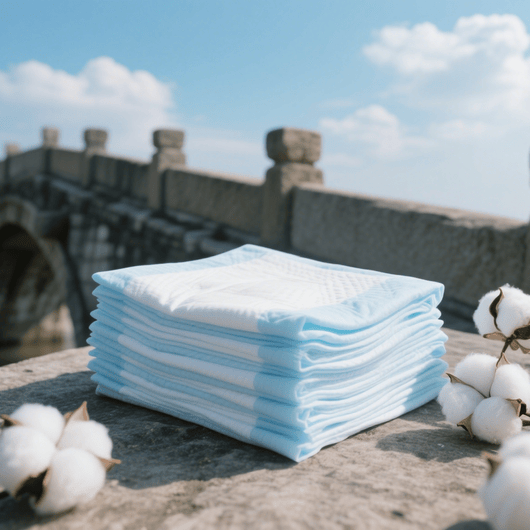
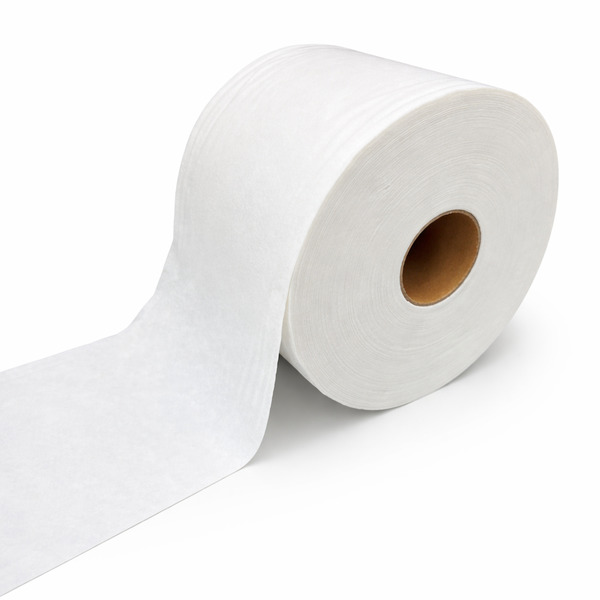
First aid works best when every tool fits the job. That’s why Weston Manufacturing offers fully customizable Antiseptic Wipes For Skin — from dry wipe basis weight and embossing design to wet wipe formulations that suit different needs. The factory provides both OEM and ODM services, ensuring every product is built for real-world performance, not just packaging. Clean, simple, effective — exactly what first aid should be.
WESTON
Privacy Policy | SiteMap
Copyright WESTON