- Email: [email protected]


Dish wipes are more than simple kitchen accessories—they are engineered cleaning tools developed through years of research in material science and hygiene technology. Their primary function is to remove food residues, oil, and bacteria from dishes, utensils, and kitchen surfaces with maximum efficiency and minimal waste. The difference between a dish wipe and an ordinary cloth lies in its fabric structure, fiber composition, and cleaning dynamics, all designed to enhance both cleanliness and safety.
Dish wipes are usually made from nonwoven materials, meaning they are bonded mechanically, thermally, or chemically, rather than being woven or knitted. This structure provides high tensile strength, excellent absorbency, and a smooth, uniform surface. These characteristics make dish wipes indispensable in homes, restaurants, and industrial kitchens where consistent hygiene standards are required.
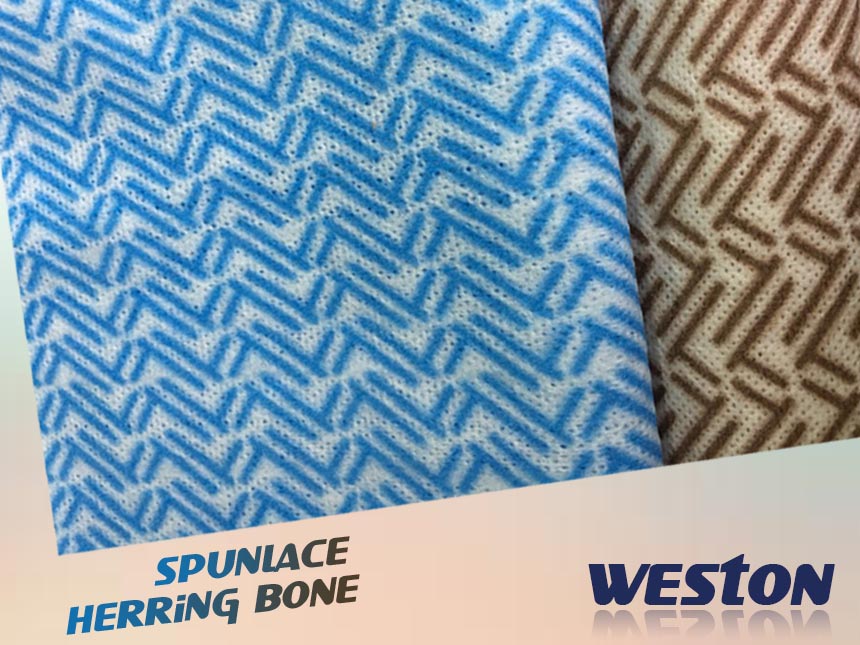
The performance of a dish wipe is determined by the interaction between fiber type, surface texture, and absorption dynamics. Nonwoven dish wipes—especially those using spunlace technology—achieve this through carefully arranged cellulose, viscose, or polyester fibers that provide both softness and durability.
From a scientific point of view, the effectiveness of dish wipes can be explained through three key mechanisms:
Capillary Action and Moisture Retention
The fiber network allows liquid to flow between micro-gaps through capillary forces. This enables the wipe to absorb water, detergent, or oil residues quickly while maintaining a controlled release rate, ensuring even cleaning without dripping or oversaturation.
Surface Friction and Residue Removal
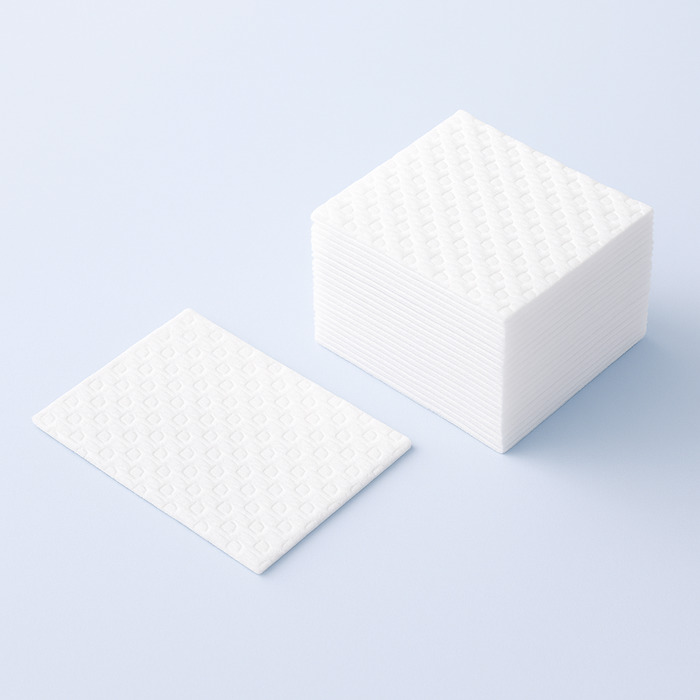
The texture of the wipe, especially when embossed, increases its contact area with surfaces, improving the physical detachment of food particles. This gentle yet effective friction avoids scratches on delicate cookware, glass, or ceramic dishes.
Antibacterial Resistance and Drying Efficiency
By using fibers that resist bacterial adhesion and by enabling rapid drying, dish wipes prevent microbial buildup—a crucial advantage over traditional sponges.
Factories that specialize in advanced nonwoven materials, such as Weston Manufacturing, use precision-controlled spunlace processes to create fabrics with a balanced ratio of strength and softness. Among their leading product types are Bulk Pack Food Service Wipes, designed for large-scale kitchen and catering operations, and Bamboo Dish Cloths, which utilize plant-derived fibers to offer sustainable yet high-performing cleaning solutions.
Cleanliness in food preparation areas is a matter of both visible and invisible hygiene. A clean-looking plate may still harbor microbial contamination if wiped improperly. Therefore, dish wipes are designed to serve dual functions—removing physical residues and reducing biological risks.
From a hygiene science perspective, dish wipes operate through both mechanical removal and chemical support:
Mechanical Removal: The wipe’s physical action breaks apart dried residues, films, and micro-debris that cannot be dissolved by detergent alone.
Chemical Support: When used with surfactant-based cleaners, dish wipes enhance emulsification of oils, helping to lift and trap grease molecules within the fiber matrix.
Barrier Function: Properly engineered wipes prevent cross-contamination by trapping and isolating particles within their layers instead of redistributing them across multiple surfaces.
Such performance characteristics make them essential not only in household kitchens but also in hospitals, catering services, and food processing environments—areas where cleanliness is not only aesthetic but regulatory.
Dish wipes are not uniform; they are classified based on fiber origin, reusability, and intended environment.
Cellulose or Viscose Wipes: Known for their softness and high water retention, ideal for delicate tableware.
Polyester Blends: Durable and quick-drying, suitable for repeated use in commercial kitchens.
Bamboo-Based Wipes: Derived from renewable sources, these wipes offer a balance of eco-friendliness and antibacterial performance.
Modern innovations such as Washable Lazy Dishwashing Cloths represent a new category of convenience cleaning materials. These are designed to minimize labor by combining extended usability with the comfort of disposable hygiene. They can be rinsed multiple times without losing integrity, bridging the gap between one-time-use and fully reusable materials.
The growing popularity of dish wipes can be attributed to a number of technical and practical advantages:
Efficiency: Enhanced surface coverage and absorbency result in faster cleaning.
Hygiene: Reduced bacterial growth compared to sponges or rags.
Versatility: Compatible with water, cleaning agents, and disinfectants.
Safety: Non-abrasive surfaces prevent scratches on cookware or glassware.
Eco-Responsibility: The introduction of biodegradable fibers supports sustainable manufacturing.
However, their advantages must be weighed against environmental and operational factors. While disposable wipes promote hygiene, they contribute to waste if not properly managed. Reusable wipes, on the other hand, require appropriate cleaning and drying to maintain safety standards. Balancing these aspects is a continuous effort for manufacturers aiming to achieve sustainable hygiene solutions.
With global awareness shifting toward sustainability and public health, the evolution of dish wipes has entered a new phase. Manufacturers are now integrating plant-based fibers, biodegradable compositions, and advanced surface treatments into their product lines. This approach aligns environmental responsibility with modern cleaning expectations.
Companies such as Weston Manufacturing are at the forefront of this evolution, producing nonwoven fabrics that merge functionality with ecological integrity. Their Bamboo Dish Cloths demonstrate how renewable materials can meet industrial cleaning demands, while Bulk Pack Food Service Wipes ensure large-scale hygiene control without compromising performance.
In line with their commitment to continuous innovation, Weston Manufacturing also provides testing opportunities through free samples—interested partners and distributors can inquire at [email protected] for detailed information.
Dish wipes may appear simple, but they represent a complex interaction between physics, chemistry, and biology. Their efficiency depends on how well fibers absorb, retain, and release substances; how friction interacts with residue; and how moisture control influences bacterial growth.
In today’s hygiene-driven world, the humble dish wipe has transformed from a simple household accessory into a scientifically engineered cleaning fabric—one that ensures both safety and sustainability. Through innovations in nonwoven materials and fiber technology, it embodies how everyday cleaning can evolve into a smarter, cleaner, and more responsible act of living.
WESTON
Privacy Policy | SiteMap
Copyright WESTON