- Email: [email protected]


Patient dry wipes are one of the most common tools in medical and care settings, yet they are rarely explained clearly. They look simple, but their role is specific. They are not just disposable cloths. They are designed to support hygiene, skin protection, and daily care where patients cannot fully care for themselves.
This article answers the question directly by explaining what patient dry wipes are used for, why they are chosen, and where their limits are, based on real care scenarios rather than theory.

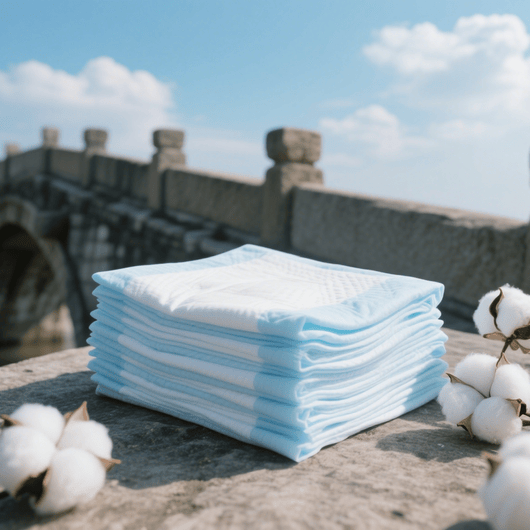
Patient dry wipes are soft, disposable, nonwoven wipes used without pre-added liquid. They are designed to be paired with water, cleansers, antiseptics, or lotions depending on the task.
They are not:
Paper towels
Kitchen tissues
Pre-moistened wet wipes
The difference matters. Paper tears easily and releases lint. Wet wipes come with fixed formulas that may not suit every patient. Dry wipes give caregivers control.
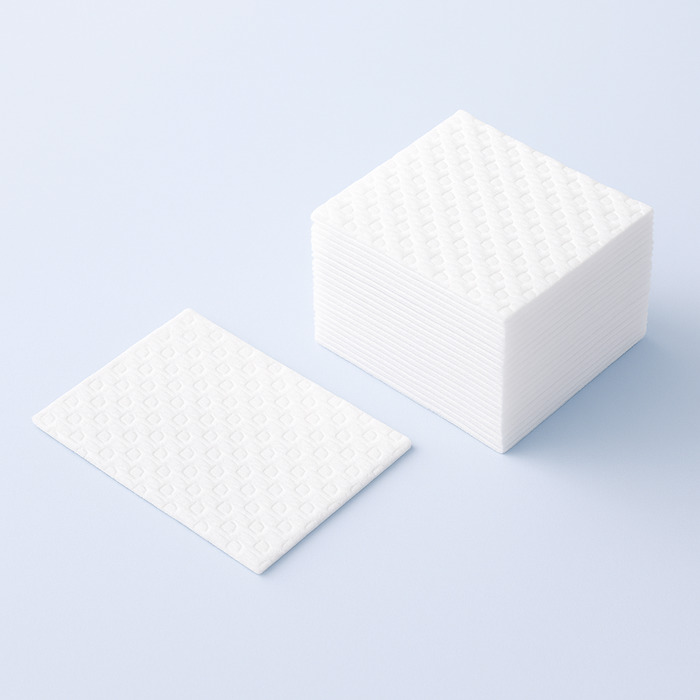
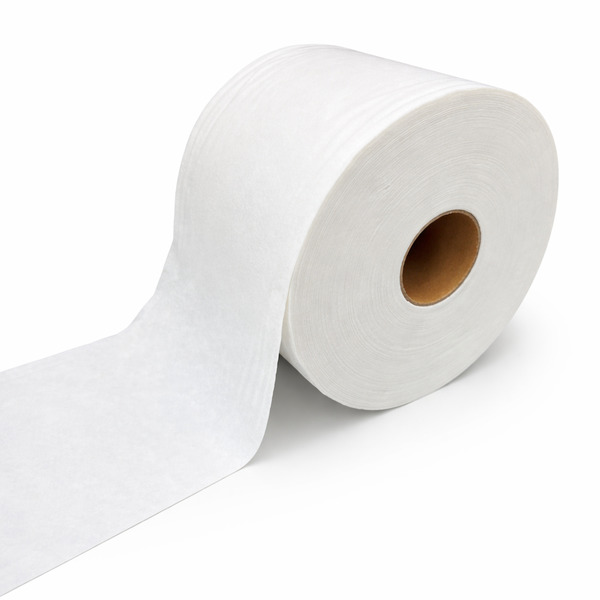
In many facilities, wipes made from spunlace nonwoven are preferred because they combine softness, strength, and low lint release. This is the same material structure used in Embossed Facial Cleansing Wipes, adapted for patient care.
Dry wipes exist for one key reason: flexibility.
When moisture is added only when needed:
Caregivers can adjust the amount of liquid
Skin is less likely to stay damp
Fewer unnecessary chemicals touch the skin
In long-term care and hospital environments, controlling moisture is as important as cleaning. Excess moisture weakens skin and increases the risk of irritation.
Dry wipes support a more controlled and safer care routine.
Many patients cannot shower daily. Dry wipes are used to:
Clean arms, legs, face, and torso
Apply warm water or mild cleanser
Reduce friction compared to washcloths
Because they are disposable, there is no risk of cross-use between patients.
This is one of the most critical uses.
Dry wipes allow caregivers to:
Clean gently without over-wetting the skin
Apply barrier creams after cleaning
Avoid preservatives often found in wet wipes
Drying the skin after cleaning is just as important as cleaning itself. Dry wipes support both steps.
After cleaning with water or solution, skin must be dried properly.
Dry wipes are used to:
Pat skin dry without rubbing
Absorb fluid around wounds
Keep skin folds dry
This reduces the risk of maceration and skin breakdown.

Dry wipes are commonly used around, not inside, wounds.
Typical uses include:
Cleaning surrounding skin before dressing changes
Drying skin after saline or antiseptic application
Removing excess moisture without leaving fibers
Low-lint structure matters here. Wipes made from spunlace nonwoven, especially embossed versions, maintain integrity even when wet.
Comfort is not a secondary issue in care.
Rough materials increase discomfort, especially for:
Elderly patients
Patients with fragile or inflamed skin
Long-term care residents
Soft, embossed nonwoven wipes reduce friction. This is why materials similar to Embossed Facial Cleansing Wipes are increasingly used in patient care products.
Comfort also affects cooperation. Patients are more willing to accept care when it does not cause pain or irritation.
No fixed chemicals
Adjustable moisture
Lower risk of skin reactions
Better drying capability
Require an added liquid
Depend on caregiver technique
Not convenient for quick, on-the-go use
Wet wipes have their place, especially for short-term or mobile use. In clinical care, dry wipes offer more control and safer long-term skin management.
Not all dry wipes perform the same.
Key factors include:
Fiber type and blend
Surface embossing
Thickness and tensile strength
Absorbency and lint control
Spunlace nonwoven is widely used because it balances softness with durability. Embossing improves liquid distribution and cleaning efficiency without increasing friction.
At Weston Manufacturing, embossed spunlace structures developed for facial cleansing are adapted for patient care use, where gentle contact and strength are equally important.
Hospitals and clinics
Nursing homes and assisted living
Home care and family caregiving
Rehabilitation and recovery centers
In all these settings, wipes must be consistent, reliable, and safe for repeated daily use.
“Dry wipes are just cheaper substitutes.”
In practice, they are chosen for control and skin safety, not cost.
“Wet wipes clean better.”
Cleaning depends on technique and liquid used, not moisture alone.
“Any disposable cloth works.”
Fiber structure, softness, and lint control directly affect patient outcomes.
Selection depends on:
Patient skin condition
Type of care task
Required absorbency
Risk of irritation or breakdown
There is no single “best” wipe for all cases. Matching the wipe to the task is key.
Patient dry wipes are quiet tools. They do not draw attention, but they shape daily care quality.
They support:
Skin protection
Infection control routines
Patient comfort
Consistent caregiving standards
When designed well, using high-quality nonwoven structures like embossed spunlace, they become more than disposable items. They become part of safe, respectful care.
This is why patient dry wipes continue to be used across healthcare settings, and why manufacturers like Weston Manufacturing focus on material structure rather than surface claims alone.
WESTON
Privacy Policy | SiteMap
Copyright WESTON